
Don't Let Rust Catch You Out: Why Prevention Beats an MOT Failure
The Direct Answer: Why Waiting for an MOT Advisory is a Fatal Mistake
Waiting until you see rust or receive an MOT advisory is often too late. Structural corrosion usually begins deep inside the chassis rails, sills, and box sections, where it remains hidden until the damage is severe, irreversible, and expensive to repair. By the time an MOT tester identifies "excessive corrosion" within 30cm of a mounting point, the structural integrity of your vehicle is already compromised. Proactive prevention is the only way to avoid the exponential costs of welding and the permanent loss of vehicle value.
The Iceberg Effect: A Visual Mental Model of Corrosion
To understand why prevention is mandatory, use this mental model: Rust is like an iceberg. The small bubble of paint or the slight discolouration you see on the surface represents only 10% of the corrosion actually occurring. The remaining 90% is happening beneath the surface, inside the hollow cavities of your chassis.
In the UK, vehicles rot from the inside out. Moisture and road salt enter the internal structures through drain holes and seams, sitting in a stagnant, humid environment. You might look at a clean exterior and assume your car is safe, but the core structure could be thinning every day. The biggest mistake is waiting until rust becomes visible.

The UK Context: Why Our Climate Destroys Cars
In UK conditions, corrosion is not a question of if : but when. Our climate provides the perfect storm for metal oxidation: high humidity, frequent rainfall, and the aggressive use of sodium chloride (road salt) during the winter months.
Salt is hygroscopic, meaning it attracts and holds moisture against the metal. When this salty brine enters your vehicle’s subframe or sills, it creates an electrochemical cell that accelerates the rusting process even when the car is parked. An MOT test is a basic safety inspection; it is not a comprehensive health check for your chassis. A vehicle can pass an MOT on Monday and be structurally unsound by its next inspection because the internal decay was never addressed.
The Financial Consequence of Delay
Doing nothing leads to financial loss. The cost difference between professional prevention and reactive repair is staggering.
Professional Rustproofing: Typically ranges from £500 to £1,200 depending on the vehicle size and condition. This is a one-time investment in longevity.
Welding and Structural Repairs: Once an MOT failure is issued, you are looking at bills between £1,000 and £4,000+. Welding is a "patch" that rarely restores the original strength of the factory steel and often leads to further rust around the heat-affected zones.
Resale Value Loss: A vehicle with a history of MOT advisories for rust or visible welding repairs will suffer a resale value loss of £2,000 to £5,000. Savvy buyers and dealers will walk away from a "crusty" underside, regardless of how clean the bodywork looks.
Investing in the best rustproofing method for UK vehicles is the only way to lock in your vehicle's value.
WHEN TO ACT: The Window of Opportunity
Timing is the most critical factor in vehicle preservation. If you wait for the MOT tester to find a problem, you have already lost the battle.
Vehicle Age | Status | Action Required |
0–3 Years | Prevention Phase | Critical window. Factory protection is minimal. Treat now to maintain "as-new" structural integrity. |
3–5 Years | Ideal Window | Best time for treatment. Most vehicles have minor surface scale that can be halted before it penetrates. |
5–8 Years | Urgent Action | High risk of internal cavity corrosion. Immediate intervention required to prevent MOT failure. |
8+ Years | Time-Sensitive | Likely requires significant descaling before treatment. Delaying further will result in structural failure. |
The Rustec Elite Standard vs. Quick Services
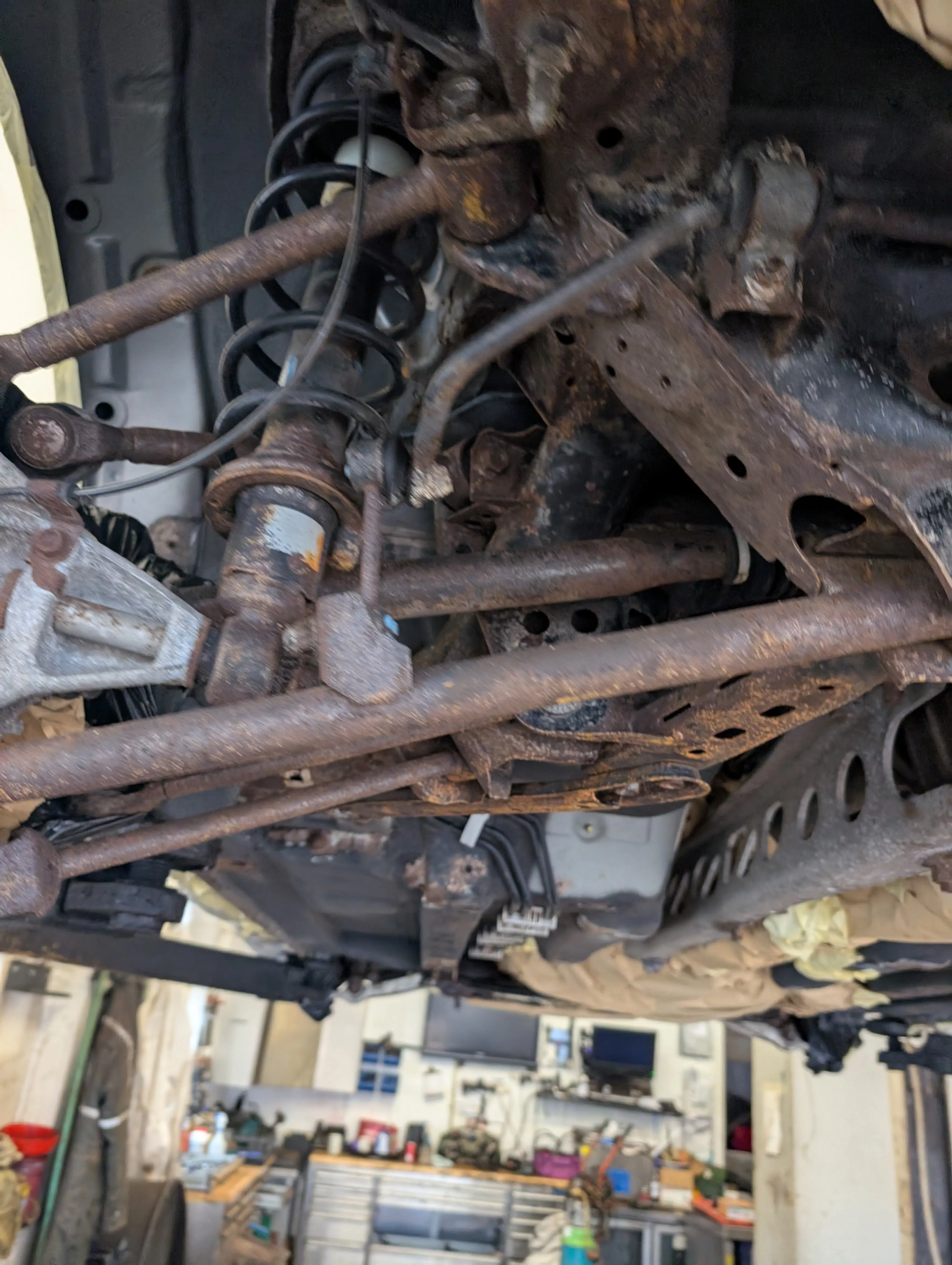
Process matters more than product. Many "rustproofing" shops offer a quick turnaround, often spraying over dirt, grease, or even existing rust. This is a recipe for disaster. A poor rustproofing job can be worse than doing nothing, as it traps moisture and accelerates corrosion.
At Rustec, we adhere to a strict 72-hour Elite Standard process that guarantees the highest level of protection:
Meticulous Cleaning: High-pressure hot water wash to remove all salt and contaminants, followed by manual descaling of loose debris.
Extensive Drying: The vehicle must be 100% dry before any coating is applied. We use industrial heaters and air movers to ensure no moisture is trapped.
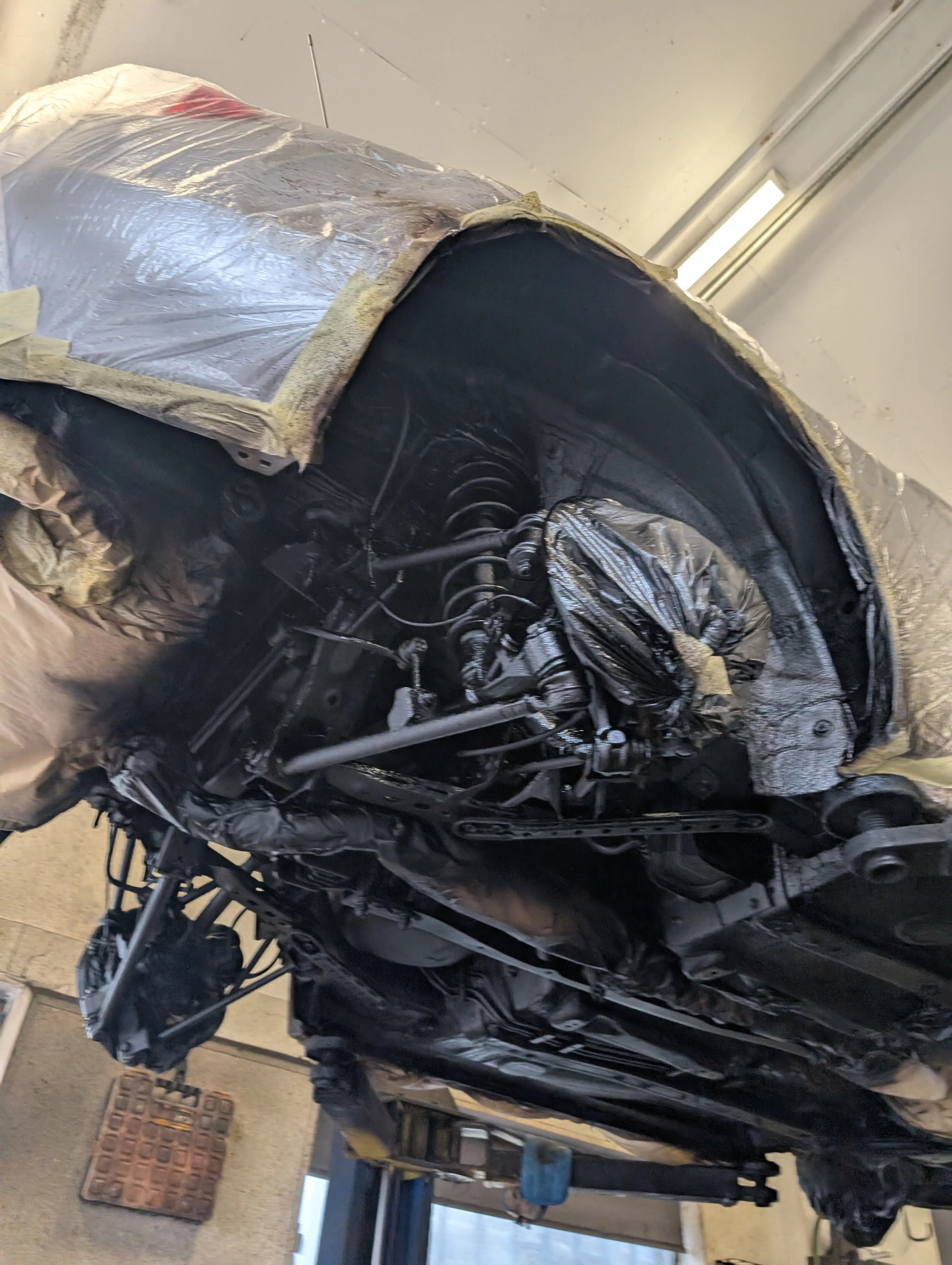
Comprehensive Masking: We protect your brakes, exhaust, sensors, and electrical connectors. We do not "black out" your entire underside; we treat the metal and protect the components.
Cavity Wax Injection: This is the most important step. We use specialized wands to inject high-creep waxes into the sills, doors, and chassis rails to stop the "iceberg" effect.
Underbody Coating: A durable, self-healing external barrier is applied to shield the chassis from road salt and physical abrasion.
Understand the cost of rustproofing in the UK by evaluating the depth of the process, not just the price tag.
Buyer Psychology: Regret Minimization
Most clients contact us only after they have seen their first MOT advisory. The common sentiment is: "I wish I did this sooner."
By the time you feel regret, the metal has already thinned. By acting early, you are not just "spending money"; you are buying peace of mind and securing an asset. Ask yourself: would you rather spend £800 now to ensure your vehicle lasts another 10 years, or spend £2,000 next year on welding that only serves to pass a test?
Professional treatment increases resale value and proves to future buyers that the vehicle has been maintained to an elite standard.
The Inevitability of the MOT Test
The MOT test criteria for corrosion are becoming stricter. Testers are now instructed to check for structural rigidity more rigorously than ever. If your vehicle's subframe or suspension mounts show signs of "advanced" corrosion, it is an immediate "Major" failure. The vehicle becomes illegal to drive, and you are at the mercy of whatever price a local welder quotes you to get back on the road.
Don't let your vehicle's fate be decided by an MOT tester's hammer. Take control of the situation before the test date arrives.

FAQ: Frequently Asked Questions
Will rustproofing stop an existing MOT failure?
No. If your vehicle has already failed its MOT due to structural rust, you must perform the necessary welding repairs first. Rustproofing is designed to prevent rust or stop existing surface corrosion from progressing into a failure.
How long does rustproofing last in the UK?
A professional treatment using the Rustec Elite Standard typically lasts between 3 to 5 years before requiring a maintenance top-up. You can read more about how long rustproofing lasts in the UK in our detailed guide.
Is it worth rustproofing an older car?
Absolutely. While new cars are the ideal candidates, older cars benefit the most from halting existing decay. If the chassis is still structurally sound, a professional treatment can add many years to the vehicle's lifespan and prevent it from becoming a "scrap" candidate.
Can I do this myself with a spray can?
DIY kits exist, but they lack the pressure required for deep cavity injection and the professional-grade descaling equipment needed for proper prep. Without a 72-hour drying process, you risk trapping moisture, which will make the rust grow faster.
Take Action Now
If you want to protect your vehicle properly : not just cover it up : the best time to act is before corrosion progresses. You can book a free inspection or request a quote at one of our locations, such as Rustec Wrexham or Rustec Newport.
For more information on the complete process, refer to our Ultimate Guide to Rustproofing.
In UK conditions, corrosion is not a question of if ; but when. Delaying turns prevention into welding bills and resale loss. Book your inspection now.
Comments