
Do new Land Rovers rust?
The short answer is yes – new Land Rovers do rust, often more quickly than many owners expect. Despite Land Rover's reputation for robust engineering and factory corrosion protection, modern Land Rover models remain susceptible to rust formation, particularly when exposed to UK road conditions involving road salt, moisture, and harsh weather elements.
This reality comes as a surprise to many Land Rover owners who invest significantly in these premium vehicles, expecting them to withstand the elements without additional protection. Understanding why new Land Rovers rust and how to prevent it is crucial for maintaining your vehicle's value, safety, and longevity.
Why New Land Rovers Are Vulnerable to Rust
Modern Land Rover models, including the Discovery, Defender, Range Rover, and Range Rover Sport, face unique challenges that make them particularly susceptible to corrosion. The combination of their intended use as capable off-road vehicles and the harsh UK driving environment creates perfect conditions for rust formation.
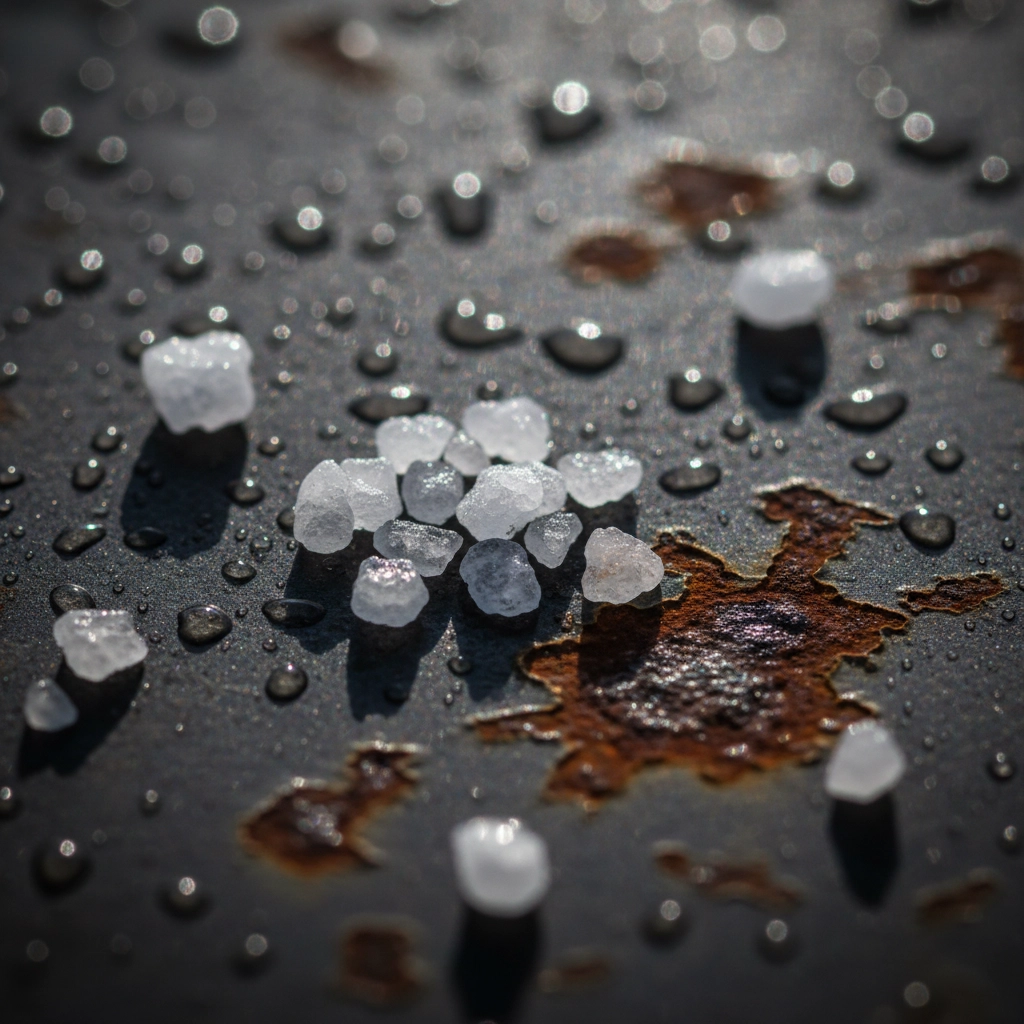
Road Salt Exposure: UK roads receive heavy salt treatment during winter months, and this salt accelerates corrosion significantly. Land Rovers, often used for country driving, farm work, or off-road adventures, encounter higher concentrations of road salt and grit than typical urban vehicles.
Design Complexities: Modern Land Rovers feature complex undercarriage designs with numerous joints, brackets, and components that create moisture traps. These areas accumulate road debris, salt, and water, establishing ideal conditions for rust initiation and spread.
Factory Protection Limitations: While Land Rover applies factory corrosion protection, this treatment is designed for general use rather than the harsh conditions many Land Rovers encounter. The factory protection may not adequately cover all vulnerable areas or provide long-term defence against aggressive UK road conditions.
Common Rust-Prone Areas on New Land Rovers
Understanding where rust typically develops on new Land Rovers helps owners monitor their vehicles effectively and implement targeted protection strategies.
Undercarriage Components: The underside of Land Rovers is particularly vulnerable, with brake backing plates, suspension components, exhaust systems, and chassis rails showing rust formation within the first few years of ownership. These areas receive direct exposure to road spray containing salt and moisture.
Door Frames and Pillars: Water and salt can accumulate around door seals and in pillar areas, leading to corrosion that may not be immediately visible. This rust often begins as surface corrosion but can progress to structural damage if left untreated.
Wheel Arches and Sills: These areas trap road debris and moisture, creating perfect conditions for rust formation. The constant bombardment from road spray makes these zones particularly susceptible to early corrosion.
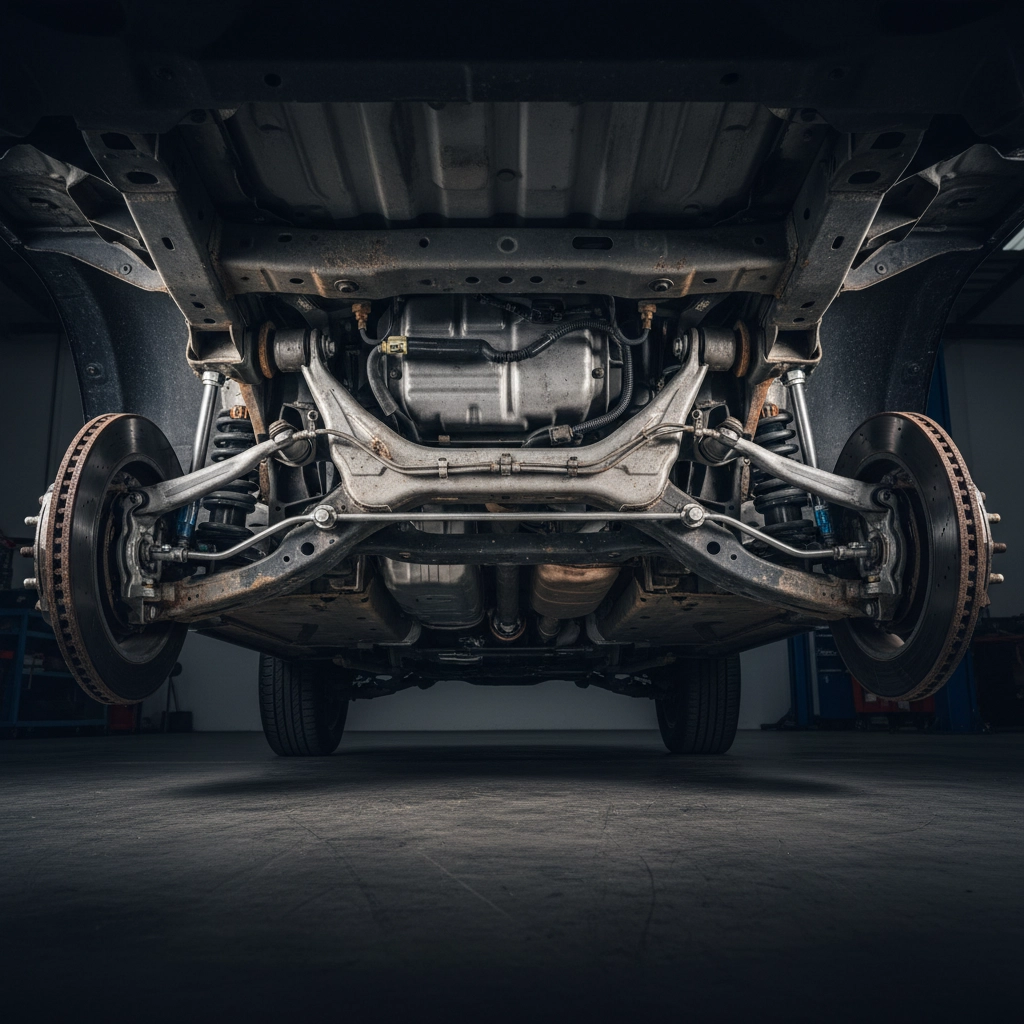
Engine Bay Areas: Components such as headlamp brackets, wiring connectors, and structural elements in the engine bay can develop rust surprisingly quickly, especially when exposed to road salt splash from winter driving.
Footwell Areas: Internal rust can develop in footwell regions where salt and moisture penetrate through seals or accumulate from wet weather gear and clothing.
How Quickly Can Rust Develop?
The speed of rust development on new Land Rovers often shocks owners. Real-world evidence demonstrates that even well-maintained modern Land Rovers can show significant rust formation within 12-18 months of winter use in the UK.
One documented case involved a modern LR4 that developed extensive undercarriage rust within a single year, despite having received oil-based undercoating treatment. This rapid deterioration occurred because road salt aggressively attacks metal surfaces, and the protective coating degraded under normal UK driving conditions.
First Winter Impact: Many new Land Rover owners notice their first signs of rust after their vehicle's inaugural winter season. Surface rust typically appears on brake components and exposed metal surfaces, while more serious corrosion begins in hidden areas.
Progressive Deterioration: Without intervention, rust spreads exponentially. What begins as surface oxidation quickly penetrates deeper into metal structures, potentially compromising structural integrity and MOT compliance within 3-5 years.
The Cost of Rust Damage
Rust damage on Land Rovers represents both immediate repair costs and long-term value depreciation. Structural rust repairs can cost thousands of pounds, while severe corrosion may render vehicles uneconomical to repair or unsafe for use.
MOT Implications: Rust-related MOT failures are increasingly common on Land Rovers, particularly around suspension mounting points, brake components, and structural areas. These failures often require expensive welding work or component replacement.
Insurance Considerations: Some insurance companies may refuse to cover vehicles with significant rust damage, viewing them as high-risk or potentially unsafe.
Professional Rust Prevention Solutions
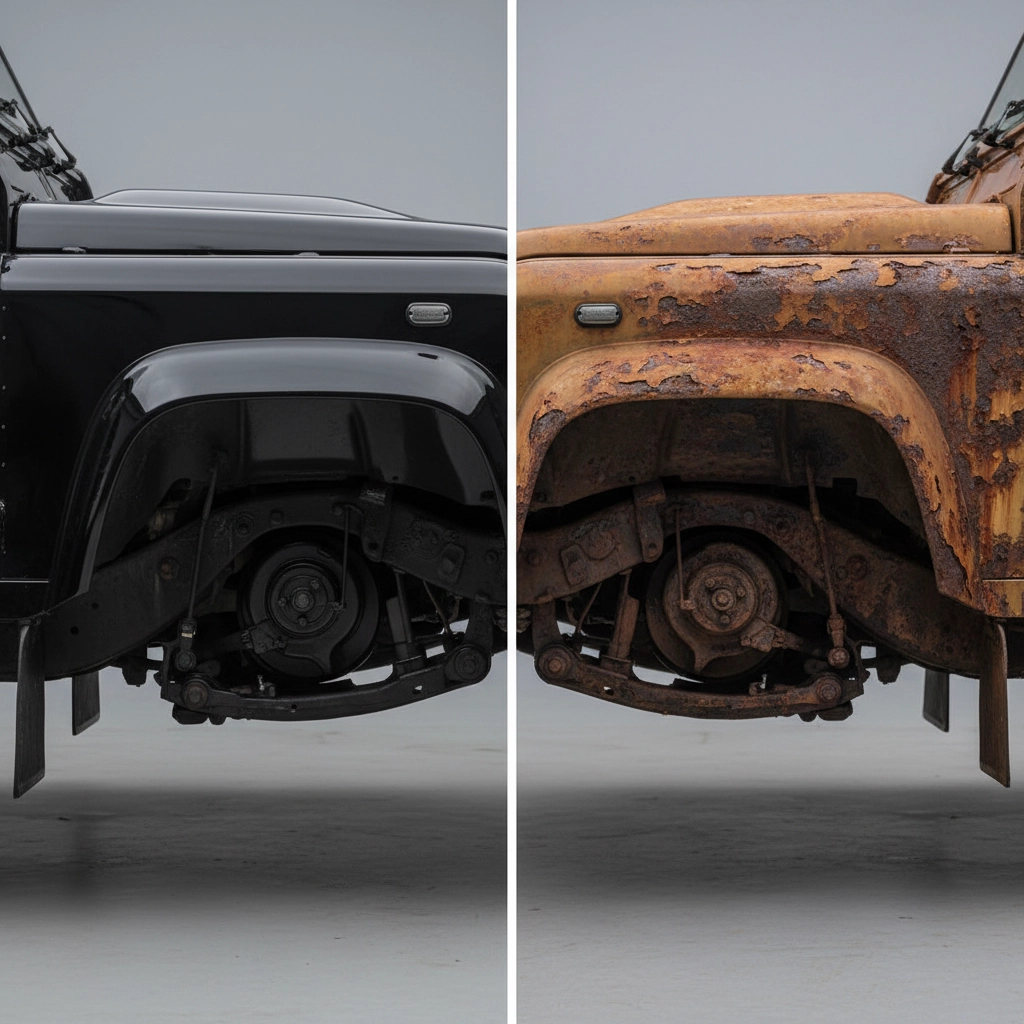
Given the vulnerability of new Land Rovers to rust, professional rustproofing treatment represents essential protection rather than optional enhancement. Comprehensive rustproofing addresses the limitations of factory protection and provides long-term corrosion defence.
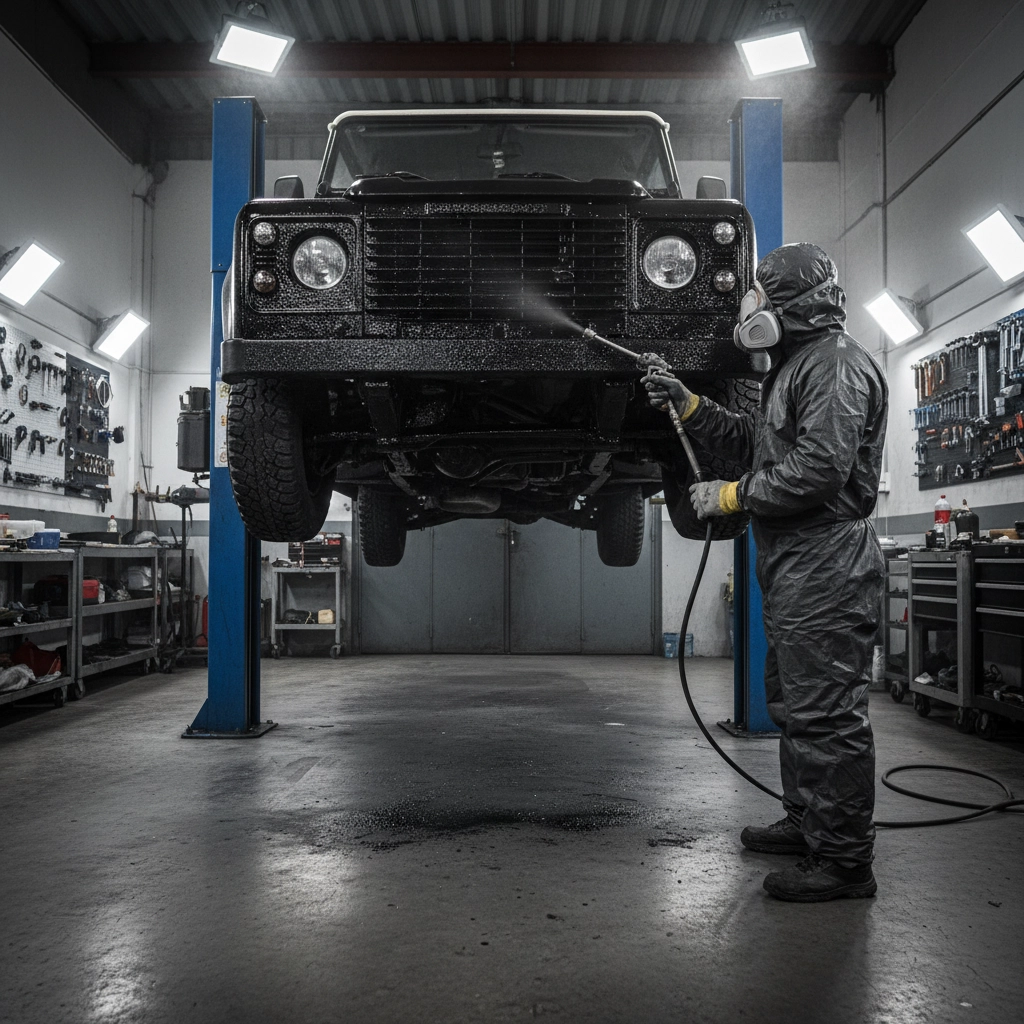
Complete Vehicle Treatment: Professional rustproofing involves treating all vulnerable areas with premium products like Dinitrol, which penetrates into joints, seams, and hidden areas that factory protection may miss. This comprehensive approach ensures complete coverage of rust-prone zones.
Cavity Wax Application: Internal treatments using cavity wax protect enclosed areas such as door frames, pillars, and chassis sections where moisture can accumulate undetected. This prevention is crucial for Land Rovers given their complex construction.
Annual Maintenance: Professional rustproofing includes annual inspection and top-up treatments for high-wear areas. This ongoing maintenance ensures continuous protection against the aggressive UK road environment.
Timing Your Rustproofing Investment
The optimal time for rustproofing a new Land Rover is immediately after purchase, before any rust formation begins. Early treatment provides maximum protection effectiveness and prevents the establishment of corrosion cycles.
New Vehicle Advantage: Treating a rust-free vehicle allows products to bond directly with clean metal surfaces, providing superior protection compared to treatment applied over existing rust.
Seasonal Considerations: Applying rustproofing before winter ensures protection is in place when vehicles face their most aggressive corrosion challenges from road salt and harsh weather.
Maintaining Your Investment
Land Rovers represent significant investments that deserve comprehensive protection. Professional rustproofing not only prevents costly repairs but maintains resale value and ensures continued reliability.
Warranty Protection: Proper rustproofing can help preserve manufacturer warranties by demonstrating proactive vehicle care and maintenance.
Long-term Value: Protected Land Rovers retain significantly higher resale values compared to vehicles showing rust damage, making rustproofing a financially sound investment.
Why Choose Professional Treatment
While DIY rustproofing products exist, Land Rovers' complex construction and vulnerability to rust make professional treatment the preferred choice for optimal protection. Professional services provide comprehensive coverage, use premium products, and include ongoing maintenance support.
Expertise and Equipment: Professional rustproofing requires specialized equipment to access all vehicle areas and apply treatments correctly. This expertise ensures complete protection rather than partial coverage that may leave vulnerable areas exposed.
Product Quality: Professional services use commercial-grade products with proven track records for long-term protection, offering superior performance compared to consumer-grade alternatives.
Guarantee Assurance: Reputable rustproofing services provide warranties on their work, offering peace of mind and demonstrating confidence in their protection methods.

Taking Action
New Land Rover owners face a clear choice: invest in professional rust prevention or accept the inevitable costs and complications of rust damage. Given the aggressive UK road environment and Land Rovers' particular vulnerabilities, rustproofing represents essential protection rather than optional enhancement.
The question isn't whether new Land Rovers will rust – they will. The question is whether you'll take proactive steps to prevent that rust from developing into expensive structural damage that compromises your vehicle's safety, reliability, and value.
Professional rustproofing offers comprehensive protection that addresses the specific challenges facing Land Rover owners in the UK. With proper treatment and maintenance, your Land Rover can maintain its intended capability and reliability throughout its service life, preserving your investment and ensuring continued driving enjoyment.
For Land Rover owners seeking comprehensive rust protection, professional rustproofing services provide the expertise, products, and ongoing support necessary to combat the aggressive UK road environment effectively.
Comments