
Can Rust Affect Safety? (The Structural Reality)
Yes, rust absolutely affects vehicle safety. Beyond being a cosmetic eyesore, corrosion directly compromises the structural integrity of a vehicle’s chassis, suspension mounting points, and brake lines. In a collision, a rusted frame cannot manage impact energy as designed, significantly increasing the risk of injury. Furthermore, structural rust is one of the leading causes of MOT failures in the UK, often resulting in repair bills that exceed the vehicle's market value.
In this guide, we examine the clinical reality of structural corrosion, the specific safety-critical areas most at risk, and why professional intervention is the only way to ensure your vehicle remains structurally sound.
The "Iceberg Model" of Vehicle Corrosion
When most owners think of rust, they picture bubbling paint on a wheel arch or a brown spot on a door. In reality, these are merely the symptoms of a much deeper problem. At Rustec, we refer to this as the Iceberg Model of Corrosion.
Just as the vast majority of an iceberg is hidden beneath the waterline, the most dangerous rust is hidden inside the vehicle's box sections, sills, and chassis rails. Because these areas are hollow, they trap moisture, road salt, and debris. Corrosion starts on the inside of the metal and eats its way out. By the time you see a hole in your chassis, the structural thickness of that steel has likely been compromised for years.
In UK conditions, corrosion is not a question of if : but when. Our damp climate, combined with the heavy use of rock salt (sodium chloride) on winter roads, creates a permanent electrochemical reaction on any unprotected steel.
Safety-Critical Areas: Where Corrosion Becomes Dangerous
When we perform a comprehensive inspection at our facilities, we focus on three primary areas where rust transitions from a maintenance issue to a life-threatening safety risk.
1. Suspension Mounting Points and Control Arms
Your suspension is what keeps your tyres in contact with the road. The points where the shock absorbers and springs attach to the chassis undergo immense stress every time you hit a pothole or take a corner.
The Risk: If these mounting points are weakened by rust, the suspension can physically tear away from the chassis.
The Outcome: Sudden loss of steering control or a collapsed corner of the vehicle while in motion.
2. Braking and Fuel Lines
Many modern vehicles still use steel lines to transport high-pressure brake fluid and fuel. These lines are often clipped along the underside of the car, where they are constantly pelted by road grit.
The Risk: Pitting corrosion thins the walls of these lines.
The Outcome: Under emergency braking, the increased pressure can cause a weakened line to burst, leading to a total loss of braking force.
3. Chassis Rails and Crumple Zones
Every modern car is engineered with "crumple zones": areas designed to deform in a specific way during an accident to absorb energy and protect the occupants.
The Risk: Rust changes the way steel behaves. Instead of folding and absorbing energy, rusted steel becomes brittle and "shatters" or collapses instantly.
The Outcome: The passenger cabin is no longer protected, and the engine or steering column can be pushed into the driver's space during an impact.

The Financial Reality: Prevention vs. Structural Repair
Ignoring the structural reality of rust isn't just a safety risk; it’s a financial one. Once rust has moved from the surface to the structure, the only "fix" is to cut out the affected steel and weld in new plates.
In the UK, professional structural welding for an MOT failure is highly labour-intensive. Repairing a single rusted sill or a suspension turret can easily cost between £1,000 and £3,000, depending on the complexity and the parts that need to be removed for access. Even then, a welded patch is never as strong as the original factory-pressed steel.
In contrast, a premium rustproofing treatment is a fraction of that cost. Beyond the immediate repair savings, a rust-free vehicle maintains its resale value. A well-documented history of professional underbody protection can easily add £2,000 to £5,000 to the resale price of a 4x4, classic car, or campervan compared to a corroded equivalent.
Visual Mental Model: The Termite Analogy
Structural rust is like a termite infestation in a timber-framed house. The exterior paint might look perfect, and the windows might be clean, but the load-bearing beams are being hollowed out from within. You won't know there's a problem until the floor begins to sag: or in a car's case, until a safety-critical component fails under stress.
The Rustec Elite Standard: A Clinical Approach to Safety
At Rustec, we do not believe in "covering up" problems. Our process is designed to be clinical, transparent, and permanent. We follow a strict 72-hour protocol known as the Rustec Elite Standard.
Deep Clean & Decontamination: We begin with a thorough undercarriage steam clean and chemical de-salting to remove every trace of road salt.
Drying & Inspection: The vehicle is dried using industrial air heaters for 24 hours. We then perform a comprehensive inspection of the chassis and safety-critical components.
Meticulous Masking: We mask off all components that should not be treated, such as brake discs, exhaust sensors, and electrical connectors.
Internal Cavity Injection: Using long-life Dinitrol® waxes, we treat the inside of the chassis rails, sills, and pillars: the "hidden" areas where safety is truly won or lost.
External Underbody Coating: We apply a high-performance protective layer that remains flexible, ensuring it does not crack or trap moisture.
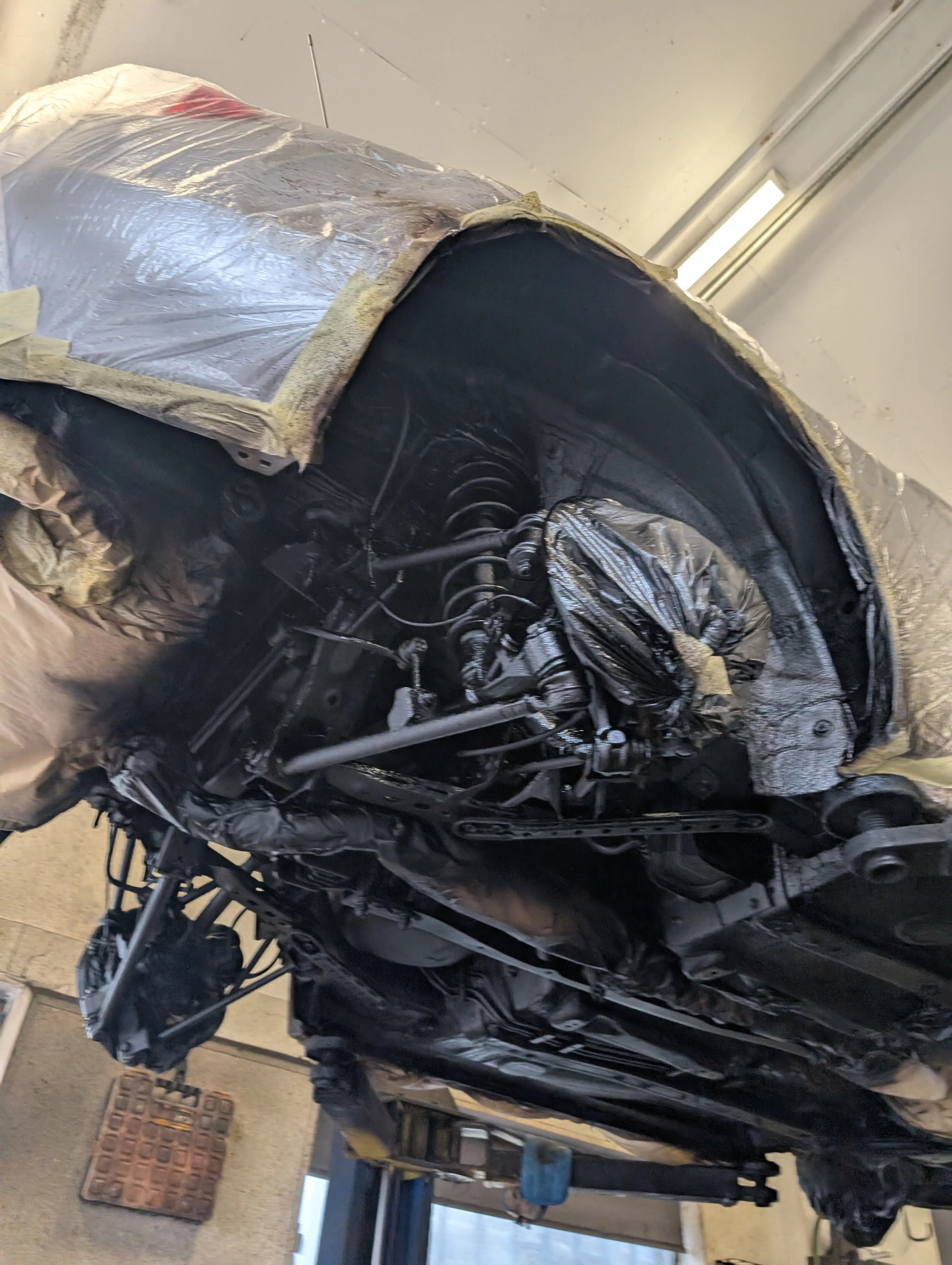
Why "Cheap" Undersealing is Dangerous
We often see vehicles that have been treated with thick, bitumen-based "gloopy" products. This is often worse than doing nothing. A poor rustproofing job can be worse than doing nothing, as it traps moisture and accelerates corrosion.
When a thick, non-breathable layer is sprayed over existing moisture or surface rust, it creates an airtight pocket. The rust continues to eat the steel behind the coating, completely hidden from view. To an MOT tester, the car looks fine: until they poke a screwdriver through what they thought was solid metal, only to find it has turned to powder. This is why our process focuses on high-end, translucent, or specialized wax-based products that allow the metal to remain visible and protected.
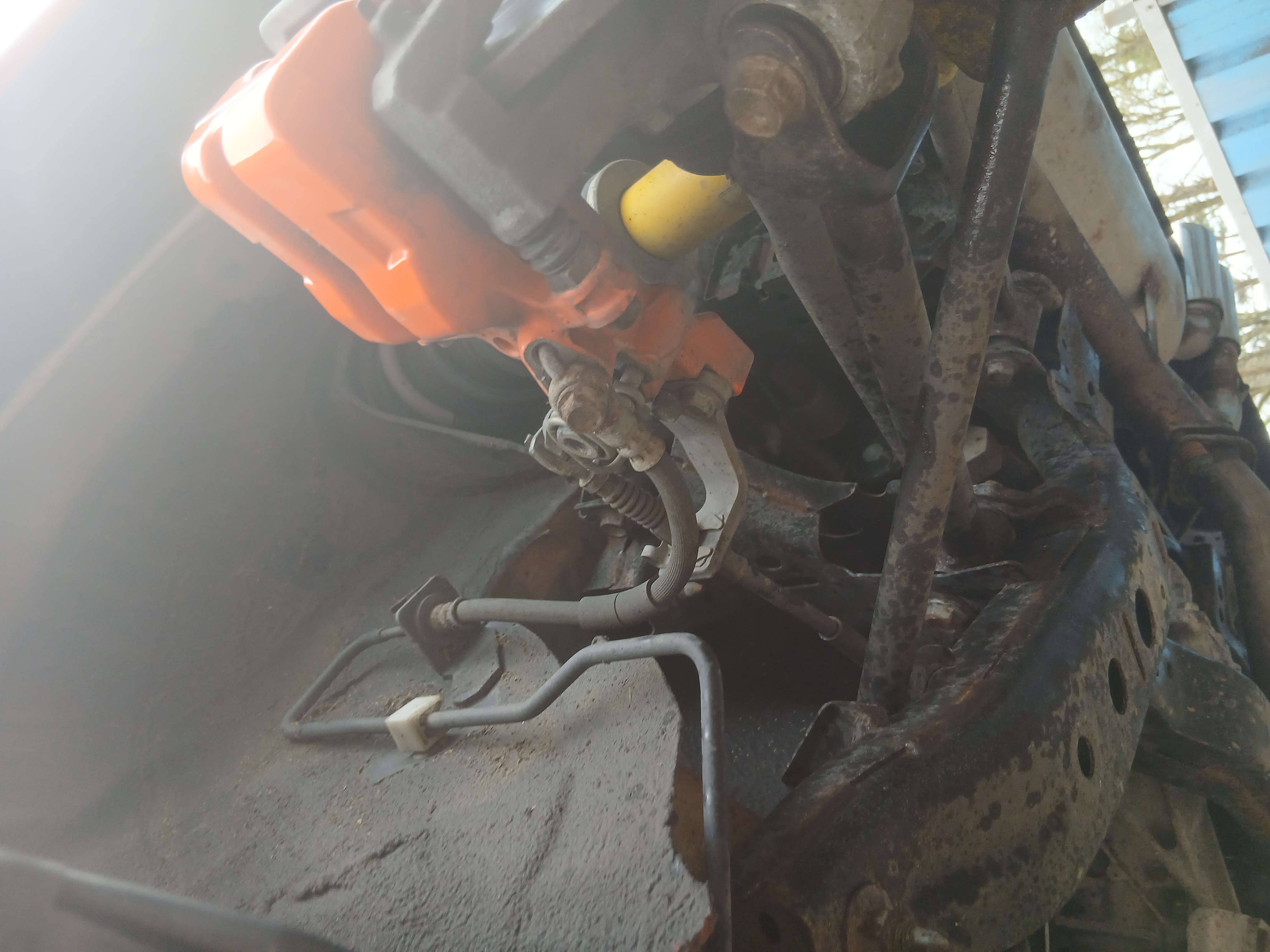
Preservation of the "Pride and Joy"
For many of our clients, their vehicle is more than just transport. Whether it’s a high-performance car, a cherished classic, or a modified 4x4, keeping it safe is about maintaining a legacy. By choosing a professional treatment, you ensure that your pride and joy remains rust-free throughout its life, providing peace of mind every time you get behind the wheel.
If you are concerned about the state of your vehicle's underside, particularly if you live in coastal areas like Swansea or Newport, a professional inspection is the first step toward long-term safety.
Frequently Asked Questions
Can a rusted car pass an MOT?
A vehicle can have surface rust and still pass, but any "excessive corrosion" within 30cm of a load-bearing mounting point (like suspension or seatbelts) or any hole in the chassis is an immediate fail. Structural integrity is a core part of the UK MOT test.
How do I know if my car has structural rust?
Look for "heavy scaling": thick flakes of rust that fall off when touched. Also, look for any signs of distortion in the metal or orange staining around factory holes in the chassis. If you aren't sure, we recommend booking a professional inspection.
Is it too late to rustproof if I already have rust?
It is rarely too late to slow down the process. While we cannot "un-rust" steel that has disappeared, our professional treatments use rust-inhibiting waxes (like Dinitrol ML) that penetrate deep into existing corrosion to displace moisture and oxygen, effectively putting the rust "to sleep."
Will rustproofing affect my manufacturer's warranty?
Professional rustproofing, when done to the Rustec Elite Standard, generally does not affect mechanical warranties. In fact, many owners of new vehicles choose to treat their cars immediately to supplement the often-inadequate factory protection.
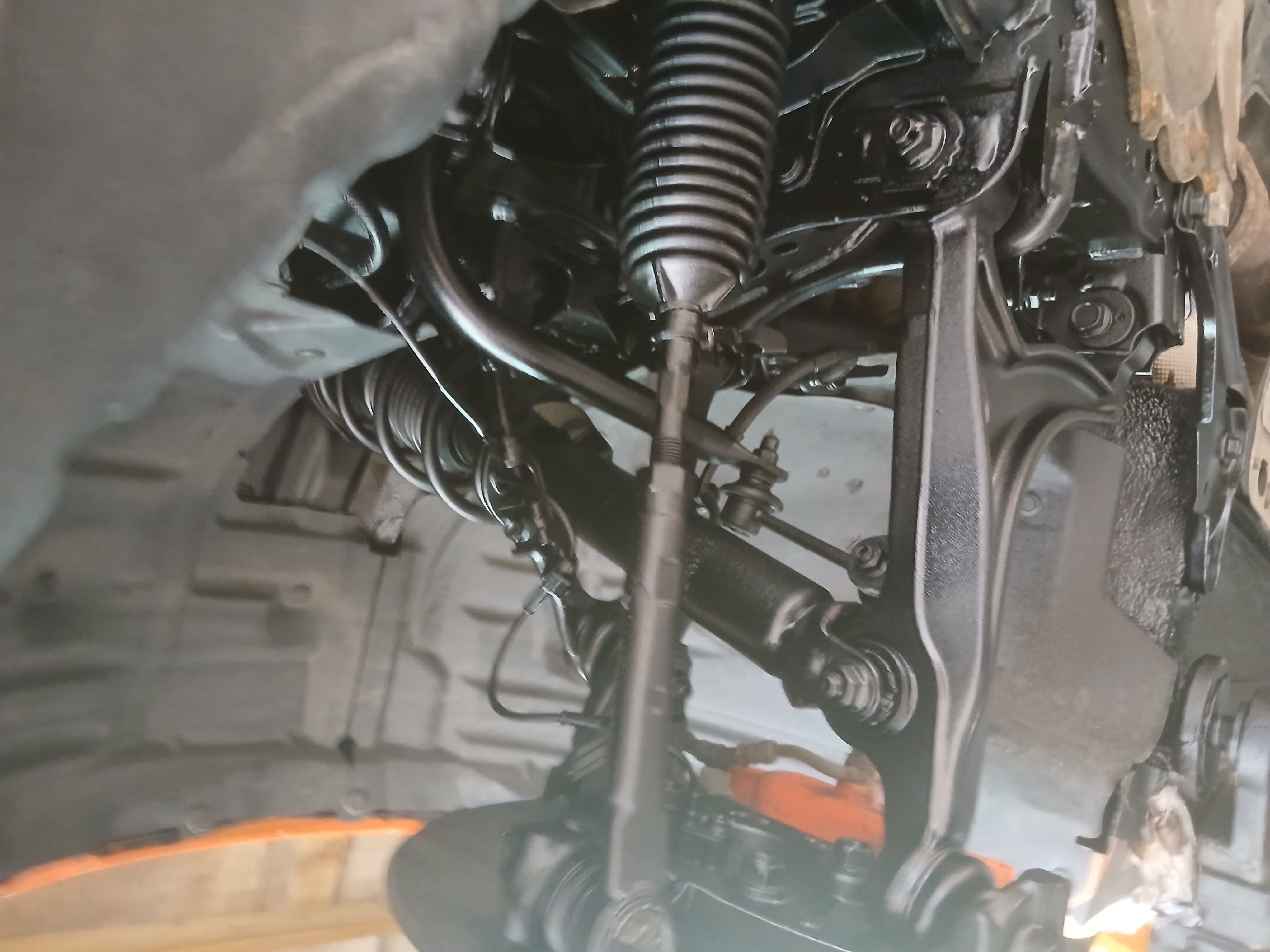
Final Takeaway: Safety is Built from the Chassis Up
The safety of your vehicle relies entirely on the strength of the metal beneath you. In the UK, the elements are working against that metal every single day. By the time structural failure becomes obvious, it is often too late for simple repairs.
Proactive, professional rustproofing is the only way to guarantee that your vehicle’s safety systems: its crumple zones, its brakes, and its suspension: will perform exactly as intended when you need them most.
If you want to protect your vehicle properly : not just cover it up : the best time to act is before corrosion progresses. You can book a free inspection or request a quote here.
Comments