
Are new vans protected from rust?
If you've recently purchased a brand-new van for your business or personal use, you might assume it's fully protected against corrosion. After all, modern manufacturing standards have improved significantly over the decades. The reality, however, may surprise you: and understanding the truth about factory rust protection on commercial vehicles could save you thousands of pounds in repair costs and preserve the longevity of your investment.
The short answer is this: new vans typically receive less rust protection than passenger cars, and this baseline protection is rarely sufficient for the demanding conditions that commercial vehicles face throughout their working lives.
What Factory Rust Protection Do New Vans Actually Receive?
When a new van rolls off the production line, it does receive some level of anti-corrosion treatment. This typically includes:
Electrocoat primer (E-coat) – a base layer applied through an electrochemical process
Basic undercoating – a thin protective layer on exposed underbody panels
Rust-inhibiting primers – applied to certain metal components
Seam sealers – used at panel joins to prevent water ingress
On paper, this sounds comprehensive. In practice, these factory treatments are designed to provide baseline protection during the vehicle's early years: primarily to cover the manufacturer through the corrosion warranty period, which typically lasts between three and six years.
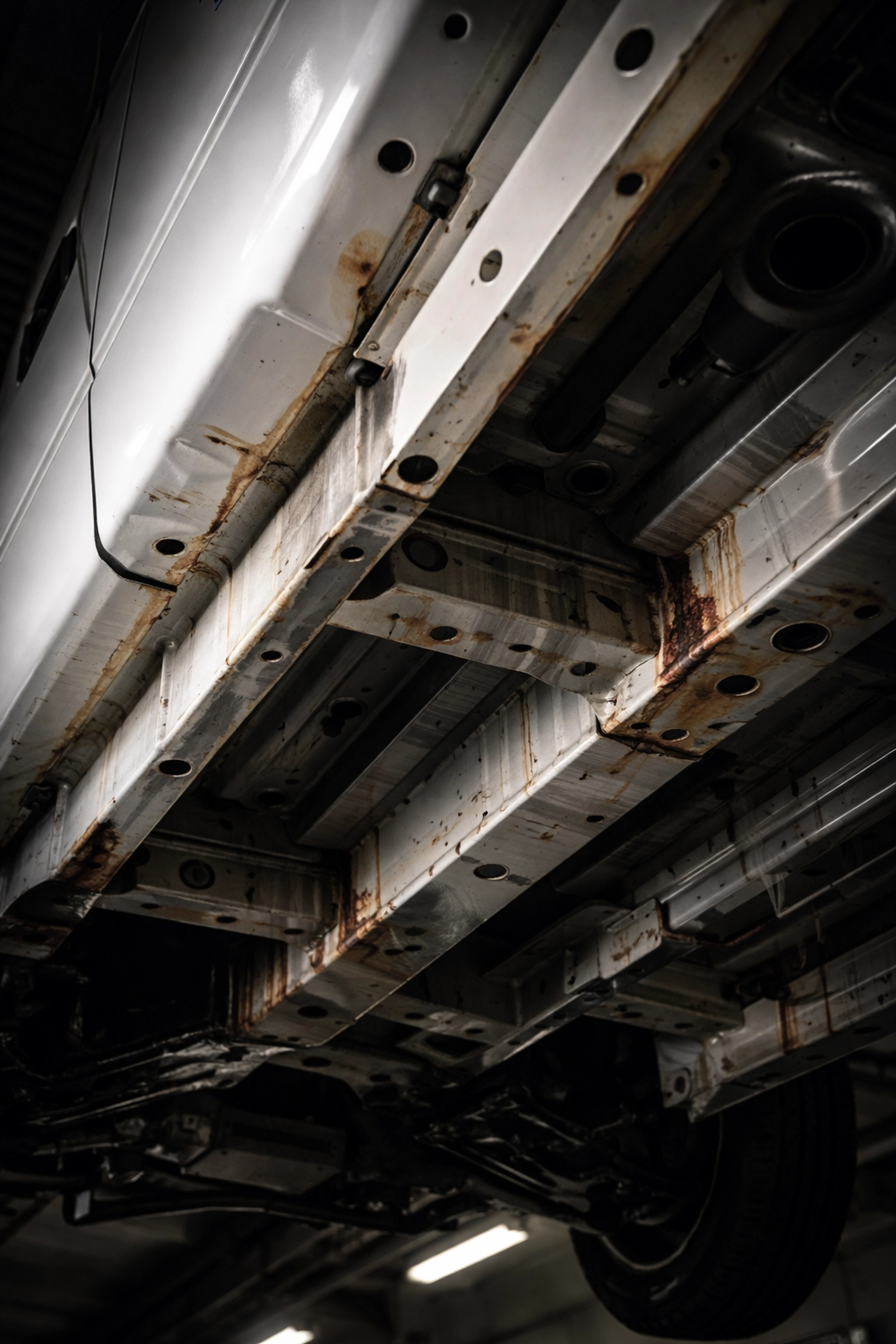
What manufacturers rarely advertise is that this protection is applied with cost efficiency in mind, not long-term durability. The coatings are often thin, and critical areas such as inner chassis rails, box sections, and hidden cavities may receive minimal treatment: or none at all.
Why Commercial Vans Are More Vulnerable Than Cars
Here's a fact that catches many van owners off guard: commercial vehicles often receive even less factory protection than their passenger car counterparts.
There are several reasons for this disparity:
1. Production Priorities
Vans are built to a price point. Commercial vehicle buyers: particularly fleet operators: prioritise payload capacity, fuel efficiency, and purchase price. Manufacturers respond by cutting costs where they can, and anti-corrosion treatment is one area where savings are quietly made.
2. Body Design and Construction
Vans have larger, flatter underbody panels and more extensive box-section construction than cars. These areas are notoriously difficult to protect during mass production, leaving numerous hidden cavities vulnerable to moisture accumulation and corrosion.
3. Load-Bearing Stress
The chassis and structural components of a van are designed to carry significant weight. This load-bearing stress, combined with road vibration, can cause micro-fractures in protective coatings over time: exposing bare metal to the elements.
4. Access Points and Drainage
Commercial vans often have more drainage holes, access points, and panel gaps than passenger vehicles. While these are necessary for functionality, they also provide entry points for water, road salt, and debris.
The Hard Use Factor: Why Vans Rust Faster
Beyond the manufacturing limitations, the way commercial vans are used dramatically accelerates the corrosion process.
Consider the typical life of a working van:
High mileage – Many commercial vans cover 30,000 to 50,000 miles annually
Constant loading and unloading – Repeated weight stress on chassis components
Urban stop-start driving – Increased exposure to standing water and road spray
All-weather operation – No option to stay garaged during harsh conditions
Rural and construction site use – Exposure to mud, grit, and abrasive materials
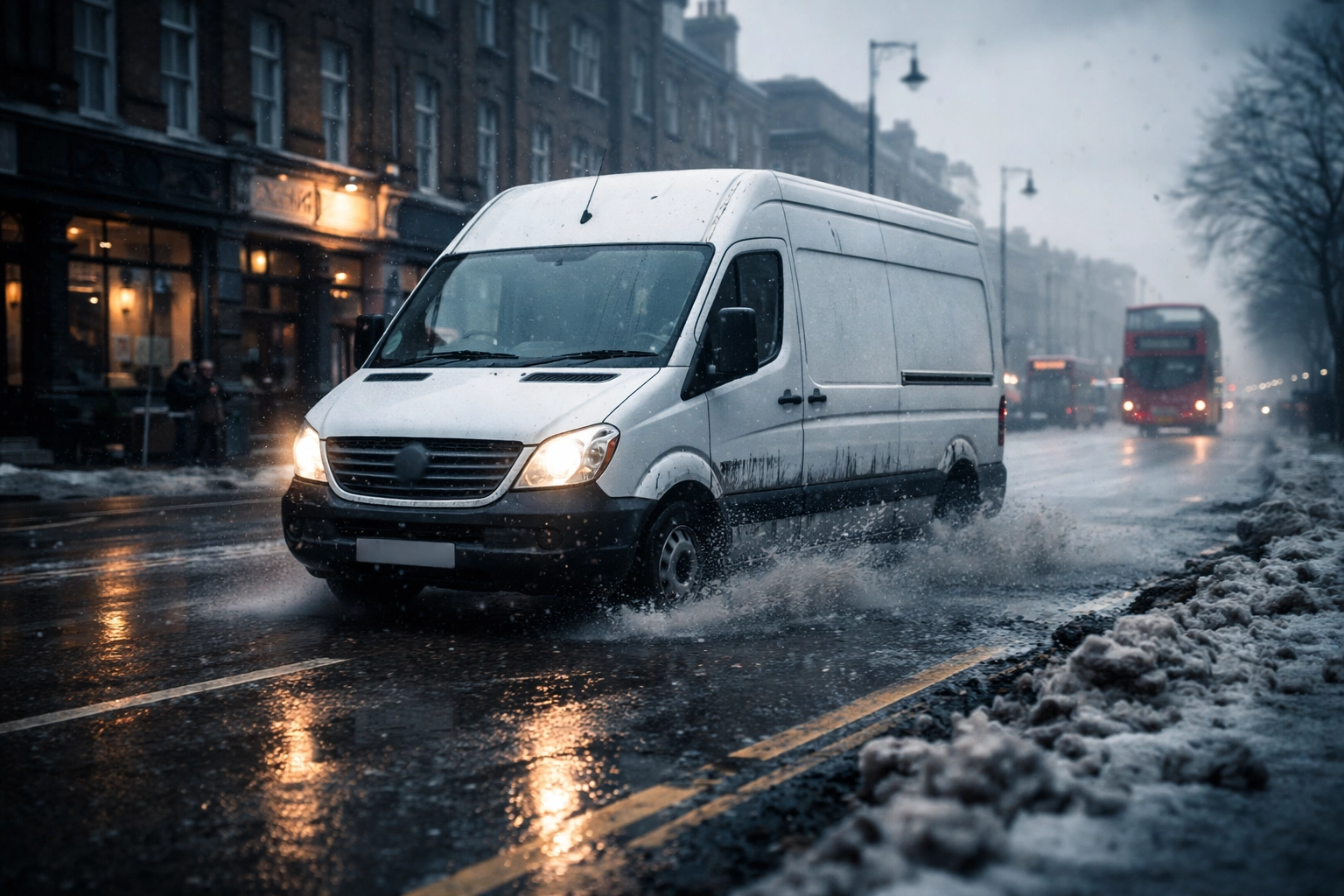
A delivery van navigating UK roads in January faces a relentless assault from road salt, slush, and standing water. Unlike a personal car that might be parked in a garage overnight, commercial vans are often left outdoors, allowing moisture to settle into every crevice and cavity.
This combination of inadequate factory protection and demanding operational conditions creates a perfect environment for accelerated corrosion.
UK-Specific Challenges for Van Owners
The United Kingdom presents particular challenges for commercial vehicle longevity:
Road Salt Application
Local councils spread approximately two million tonnes of road salt across UK roads each winter. While essential for safety, this salt is highly corrosive to unprotected metal. Salt attracts moisture and creates an electrolyte solution that accelerates the oxidation process: essentially supercharging rust formation.
High Humidity and Rainfall
The UK's maritime climate means consistently high humidity levels throughout the year. This persistent moisture creates ideal conditions for corrosion, particularly in enclosed cavities where water can become trapped and take days or weeks to evaporate.
Temperature Fluctuations
Regular freeze-thaw cycles cause existing coatings to expand and contract, eventually leading to cracking and peeling. Once the protective barrier is compromised, corrosion begins in earnest.
Coastal Exposure
For vans operating in coastal areas: common for trades such as fishing, marine services, and tourism: salt-laden air provides an additional corrosive assault on vulnerable components.
The True Cost of Inadequate Protection
Failing to address rust protection on a commercial van can have serious financial consequences:
Issue | Potential Cost |
Structural welding repairs | £800 – £3,000+ |
Chassis replacement sections | £1,500 – £5,000+ |
MOT failure remediation | £500 – £2,000+ |
Reduced resale value | 20% – 40% depreciation |
Complete vehicle write-off | Total loss |
Beyond the direct repair costs, there's the business impact of downtime. A van off the road for extensive rust repairs means lost productivity, missed appointments, and potential damage to your professional reputation.
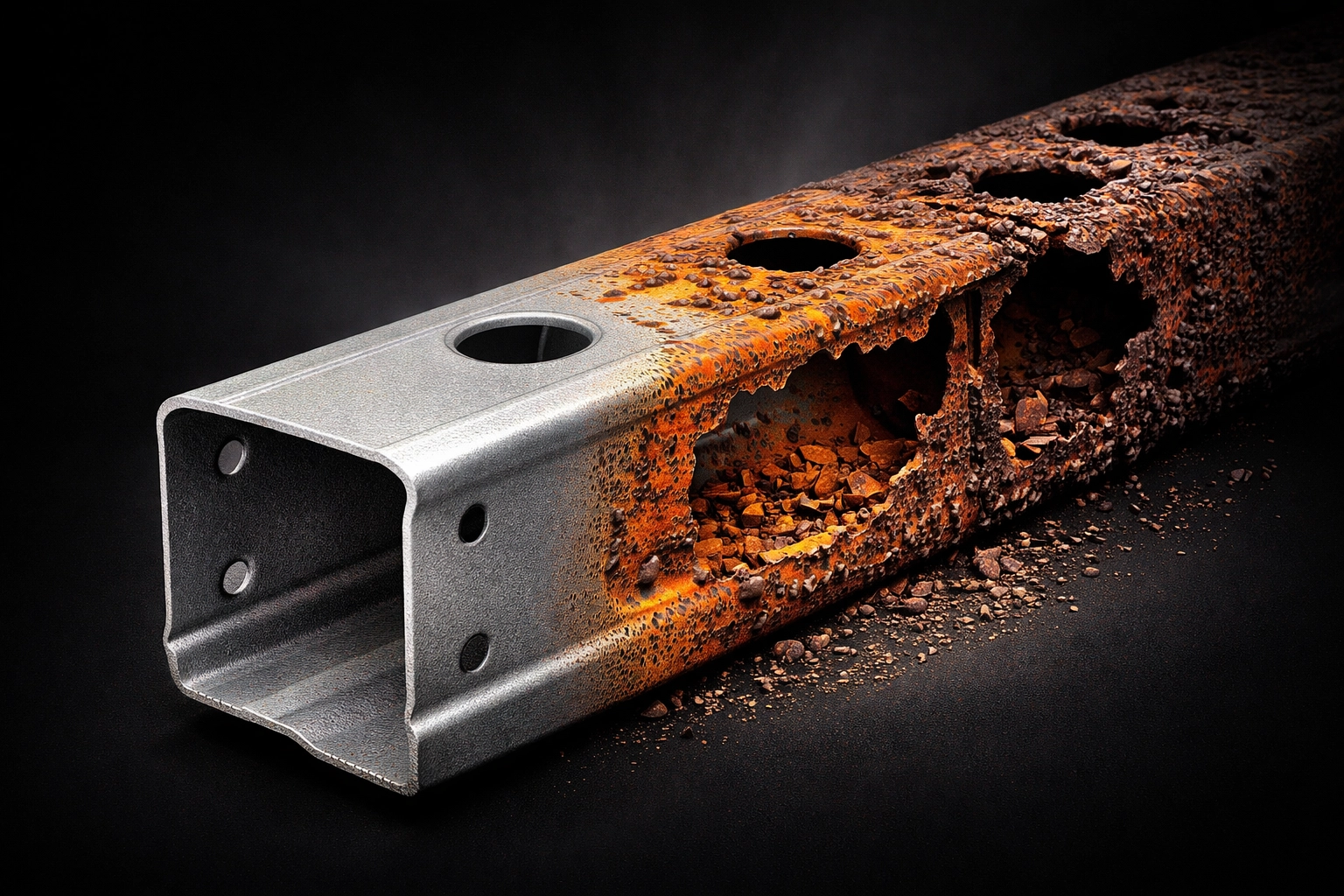
Signs Your Van May Already Be Developing Corrosion
Even on relatively new vehicles, early rust formation can occur within the first 12 to 24 months: particularly in hidden areas. Watch for these warning signs:
Bubbling or blistering paint – Often indicates rust forming beneath the surface
Brown staining around panel edges – Early surface corrosion becoming visible
Crusty deposits around wheel arches – Salt and debris accumulation accelerating local corrosion
Moisture inside the vehicle – May indicate compromised seals allowing water ingress
Unusual creaking or flexing – Could suggest structural compromise
A professional inspection can identify corrosion in areas that aren't visible during routine cleaning or maintenance: including inner sills, chassis rails, and suspension mounting points.
Professional Rustproofing: The Comprehensive Solution
Factory protection is a starting point, not a complete solution. Professional rustproofing provides the comprehensive, long-term defence that commercial vans require to remain structurally sound and retain their value.
A thorough professional treatment includes:
Complete inspection – Identifying existing corrosion and vulnerable areas
Steam cleaning – Removing all dirt, salt, and debris from the underbody
Surface preparation – Treating any existing rust before sealing
Cavity wax application – Protecting enclosed box sections and inner panels
Underbody treatment – Applying durable protective coatings to all exposed surfaces
Photo documentation – Recording the treatment for your records
At Rustec, we specialise in protecting commercial vehicles using premium Dinitrol products: trusted by manufacturers and professional operators worldwide. Our comprehensive treatment reaches areas that factory protection simply cannot, providing genuine long-term corrosion defence.
When Should You Rustproof a New Van?
The optimal time to protect a new van is as early as possible: ideally within the first few months of ownership, before any corrosion has the opportunity to begin.
However, it's never too late to act. Whether your van is brand new or several years old, professional rustproofing can halt existing corrosion and prevent further deterioration.
For fleet operators, implementing a rustproofing programme across your vehicles can significantly extend service life, reduce maintenance costs, and improve residual values at end of lease or sale.
Protect Your Investment Today
Your van is a working asset: essential to your livelihood and your business operations. Don't leave its protection to chance or assume that factory treatments will suffice.
Contact Rustec today for a comprehensive inspection and discover how our professional rustproofing service can provide genuine, long-term protection for your commercial vehicle.
Whether you're located near Bath, London, Gloucestershire, or elsewhere in the UK, our team is ready to help you maintain your vehicle in optimal condition for a lifetime.
Comments