
Should I underseal my car in winter or summer?
- Lloyd Saunders
- Nov 6, 2025
- 4 min read
Summer and early autumn are significantly superior to winter for undersealing your vehicle. Winter represents the worst possible time to apply undercoating due to multiple environmental factors that compromise both application quality and long-term effectiveness.
The timing of your undersealing treatment directly impacts its protective performance, longevity, and your vehicle's overall rust resistance throughout its lifetime.
Why Summer and Early Autumn Deliver Superior Results
Late summer and early autumn provide optimal conditions for professional undersealing application. These seasons offer the perfect combination of dry weather, moderate temperatures, and stable atmospheric conditions that undercoating products require for proper bonding and curing.
During these months, your vehicle's undercarriage can be thoroughly cleaned and prepared without immediate exposure to harsh winter elements. The coating has adequate time to cure and form a robust protective barrier before encountering road salt, ice, and persistent moisture.
Temperature stability during summer and autumn allows the undercoating to flow correctly, penetrate into crevices, and adhere permanently to metal surfaces. Most professional-grade products, including Dinitrol and Lanoguard systems, cure optimally between 10°C and 25°C – conditions commonly found during these seasons.
Reduced moisture interference means the coating bonds directly to clean metal rather than trapping water or humidity beneath the protective layer. This prevents the formation of micro-environments where corrosion can actually accelerate despite the presence of undercoating.
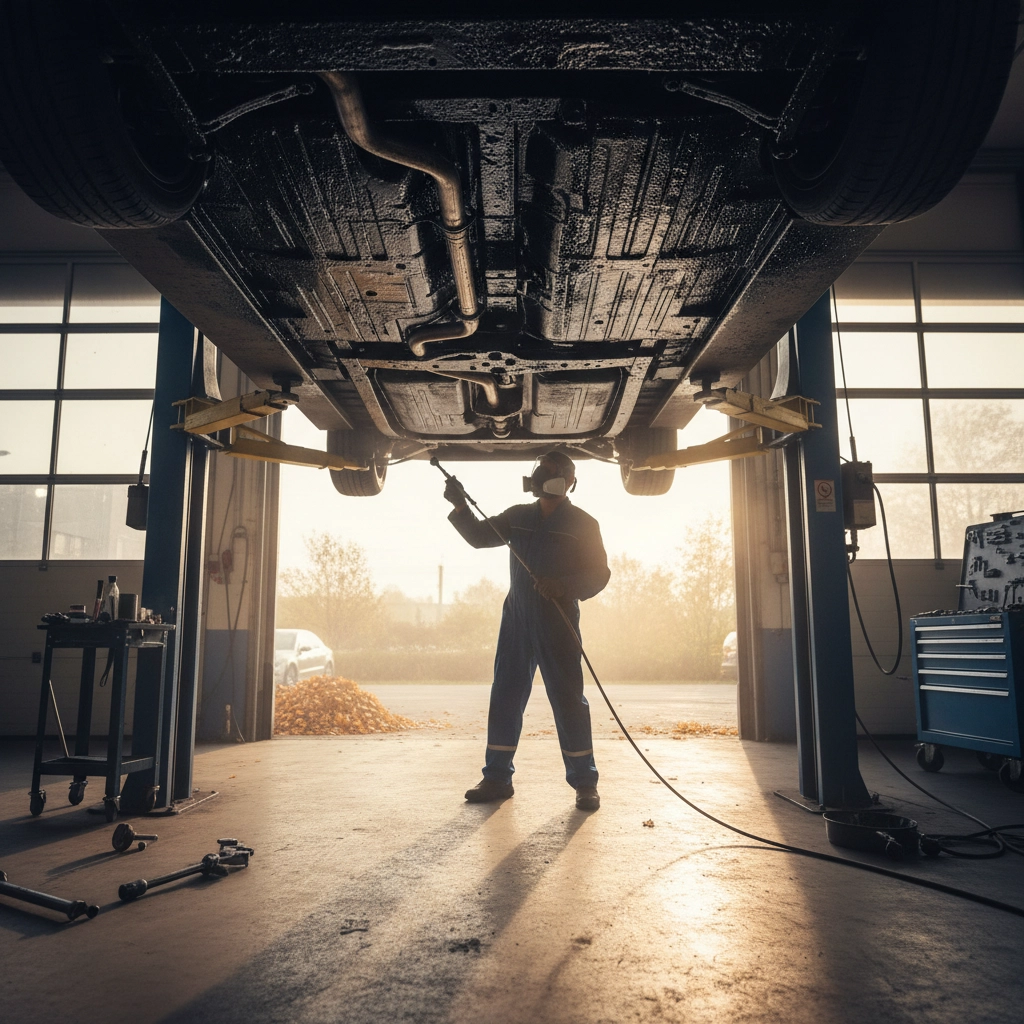
The Fundamental Problems with Winter Application
Cold temperatures prevent proper curing of undersealing products. When temperatures drop below optimal ranges, coatings struggle to flow correctly, may not penetrate effectively into joints and seams, and can remain soft or tacky for extended periods. This compromised curing process significantly reduces the treatment's protective effectiveness.
Moisture interference presents serious application challenges. Winter brings snow, ice, slush, and persistent dampness that cannot be adequately removed from the undercarriage before treatment. Any trapped moisture beneath the coating creates ideal conditions for accelerated corrosion rather than prevention.
Immediate salt exposure forces freshly applied coatings to contend with aggressive chemical attack before they have fully cured and developed maximum protective properties. Road salt can interfere with the bonding process and compromise the integrity of the protective barrier.
Reduced working time in cold conditions means professional technicians have less opportunity to ensure complete coverage and proper application technique. Rushed application due to weather constraints often results in missed areas and inconsistent coating thickness.
Spring: A Viable Alternative with Important Considerations
Spring offers a reasonable compromise for undersealing, particularly after a thorough post-winter cleaning and inspection. However, spring application requires addressing any damage that occurred during the preceding winter months.
Post-winter preparation becomes crucial, as your vehicle's undercarriage will likely have accumulated road salt, grit, and potentially early-stage corrosion damage. Professional steam cleaning and rust treatment may be necessary before applying protective coatings.
Weather variability during spring can create scheduling challenges, as sudden rain showers or temperature drops can disrupt the application and curing process. Careful timing and weather monitoring become essential for successful treatment.
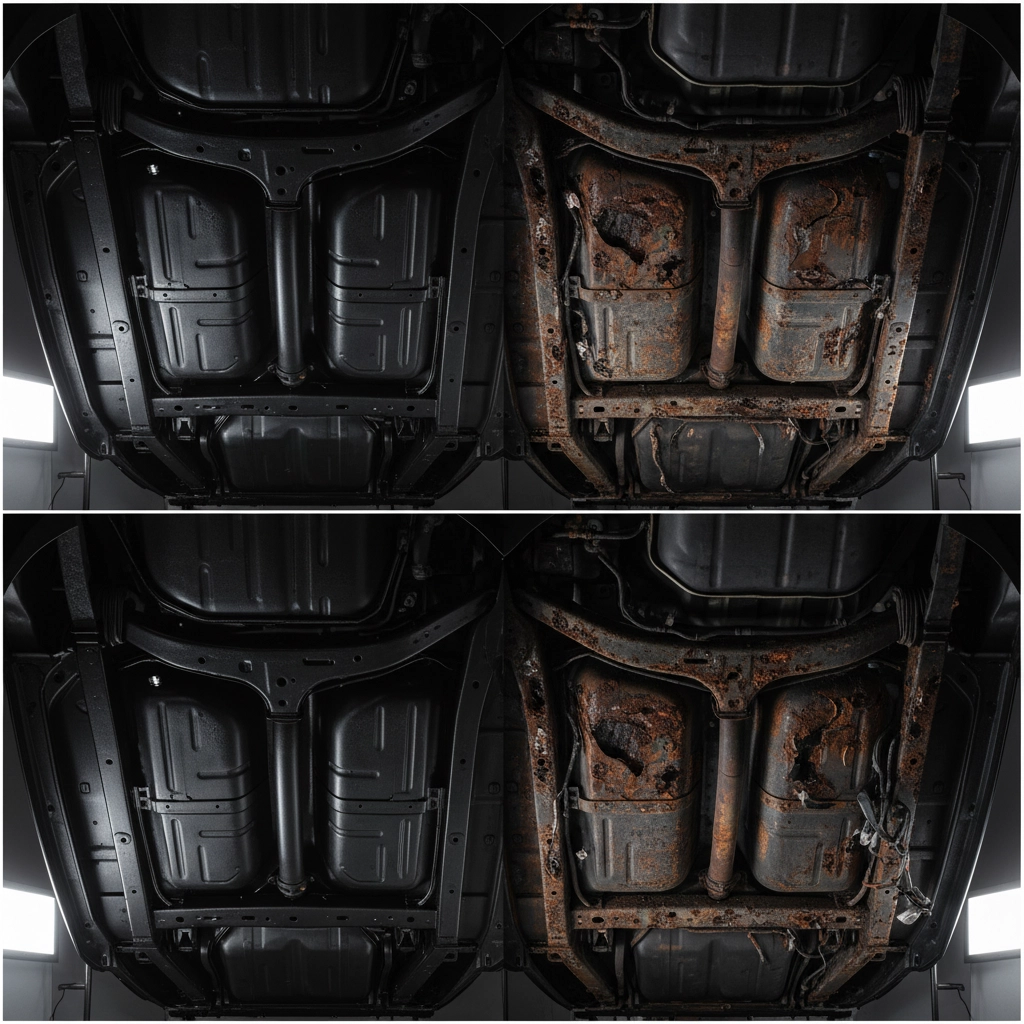
Critical Factors for Successful Undersealing Application
Thorough undercarriage preparation remains non-negotiable regardless of season. The substrate must be completely clean, dry, and free from existing rust, old coatings, or contaminants that could prevent proper adhesion.
Temperature and humidity control during application ensures optimal product performance. Professional facilities can control these variables, while DIY applications depend entirely on suitable weather conditions.
Adequate curing time allows the coating to develop full protective properties before exposure to harsh conditions. Rushing this process by applying treatments immediately before winter weather compromises long-term effectiveness.
Product selection should align with seasonal conditions and your vehicle's specific requirements. Professional-grade systems like Dinitrol treatments offer superior performance compared to basic DIY products.
Strategic Planning for Optimal Protection
Advance scheduling during summer or early autumn ensures your vehicle receives treatment before deteriorating weather conditions. This proactive approach maximizes protection during the most challenging winter months.
Comprehensive inspection before treatment identifies existing issues that require attention. Early detection and remediation of minor rust spots prevents significant structural problems developing over winter.
Professional application delivers consistent coverage and proper preparation that DIY treatments often cannot match. The controlled environment and specialized equipment ensure optimal results regardless of external weather conditions.
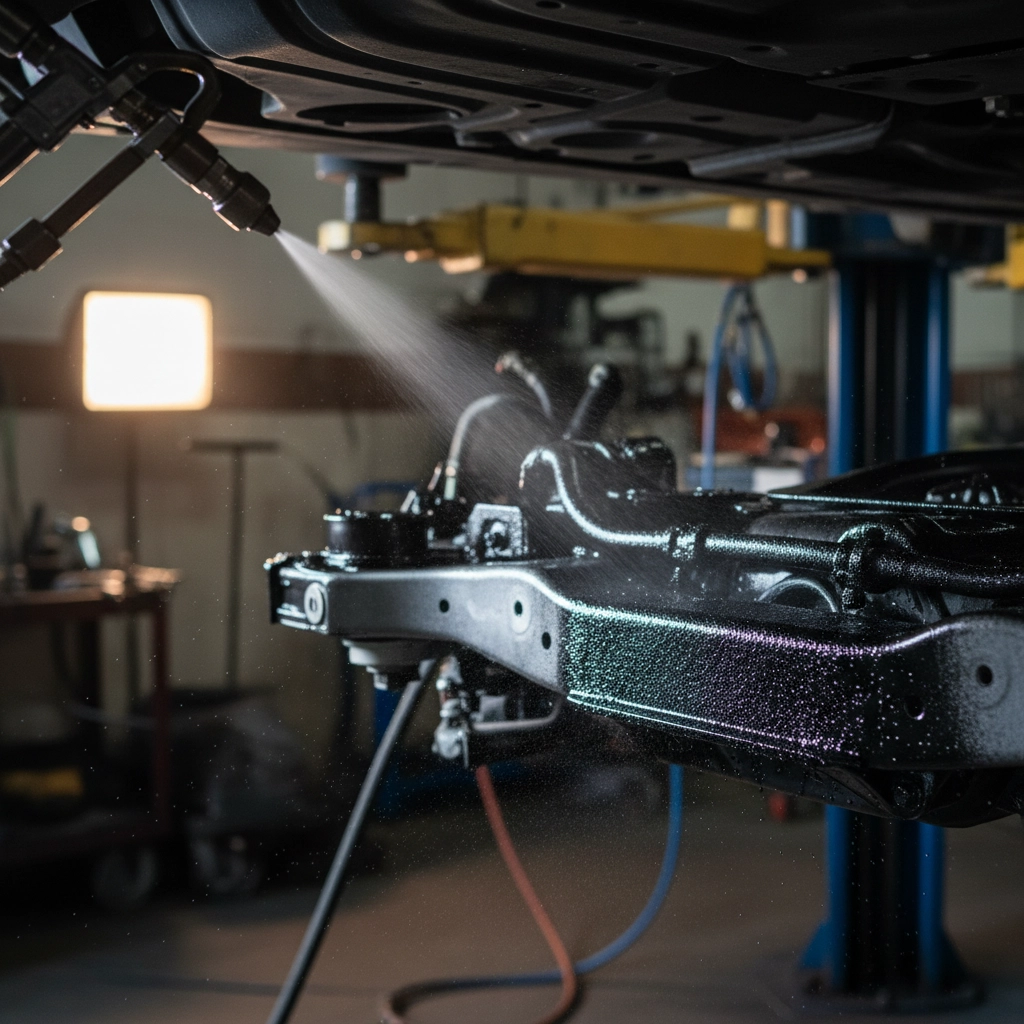
Annual maintenance scheduling during favorable seasons maintains continuous protection. Regular reapplication during summer or autumn periods ensures your vehicle's undercarriage remains comprehensively protected year after year.
Understanding the UK Climate Challenge
Persistent winter moisture combined with aggressive road treatments creates particularly challenging conditions for vehicles. The UK's maritime climate means extended periods of dampness that accelerate corrosion processes.
Salt application frequency on British roads exceeds most other countries, making protective treatments more critical for vehicle longevity. The combination of salt, moisture, and temperature fluctuations around freezing point creates ideal conditions for rapid rust development.
Seasonal temperature variations affect both coating performance and application success rates. Understanding how UK climate impacts rust formation helps vehicle owners make informed decisions about treatment timing.
Making the Right Choice for Your Vehicle
Optimal timing prioritizes treatment effectiveness over convenience. While winter application might seem practical when you're thinking about protection, summer or autumn treatment delivers significantly superior long-term results.
Investment protection requires proper application techniques and suitable conditions. The cost difference between winter and summer application pales compared to the potential expense of premature rust damage due to compromised treatment.
Professional expertise becomes particularly valuable when timing treatments for maximum effectiveness. Experienced technicians understand how seasonal conditions affect different coating systems and can recommend optimal scheduling.
Long-term planning incorporating annual treatment schedules during favorable seasons ensures continuous protection and maximum vehicle longevity. Professional rustproofing services can establish maintenance programs aligned with optimal application periods.
Secure Your Vehicle's Future with Professional Undersealing
Don't compromise your vehicle's protection by choosing convenience over effectiveness. Summer and early autumn represent the optimal window for undersealing treatment that will provide maximum protection throughout the challenging winter months ahead.
Book your professional undersealing treatment now while conditions remain favorable for superior application and curing. Our comprehensive underbody protection services utilize the highest-quality products applied under controlled conditions by experienced technicians.
Contact Rustec today to schedule your vehicle's protective treatment during the ideal seasonal window. Our expert team will ensure your vehicle receives the thorough preparation and precise application necessary for long-lasting rust prevention.
Your vehicle's undercarriage faces its greatest challenges during winter – ensure it's properly protected with professional treatment applied when conditions guarantee optimal results.
Comments