
Wax vs Oil vs Ceramic: Which Rust Proofing Treatment Is Best for Your New Car in 2025?
- Lloyd Saunders
- Oct 30, 2025
- 5 min read
When you've invested in a new car, protecting it from rust becomes a top priority. With multiple rust proofing options available in 2025, choosing between wax, oil-based treatments, and ceramic coatings can feel overwhelming. Each approach offers distinct advantages and limitations, making the decision dependent on your specific needs, budget, and long-term vehicle goals.
Understanding these three primary rust proofing methods will help you make an informed choice that keeps your vehicle protected for years to come. Let's examine each treatment type in detail, comparing their effectiveness, durability, and value proposition.
Oil-Based Rust Proofing: The Penetrating Champion
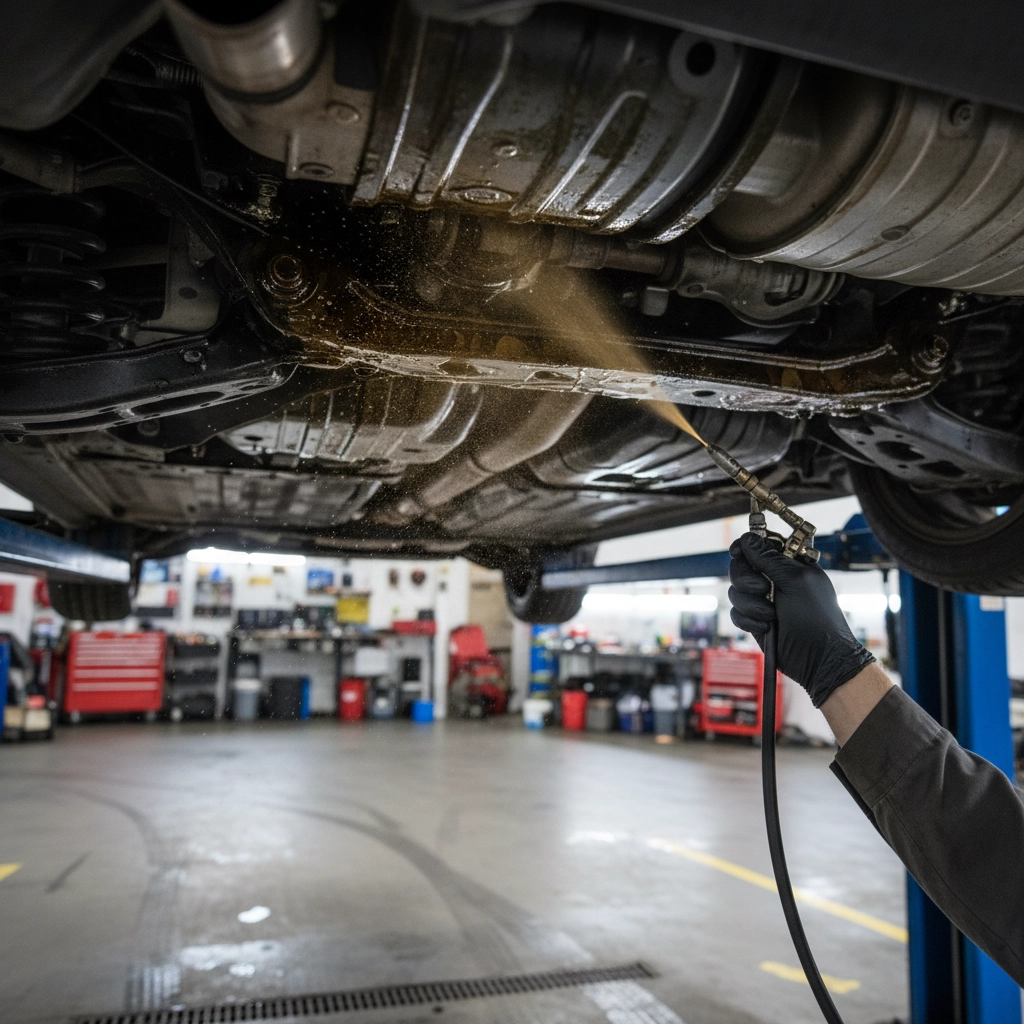
Oil-based rust proofing treatments work by applying a thin protective oil layer directly onto your vehicle's metal components. This approach excels because the oil penetrates into crevices, seams, and hard-to-reach areas where moisture typically accumulates and corrosion begins.
Core Strengths of Oil-Based Treatments:
The primary advantage of oil-based rust proofing lies in its exceptional penetration capabilities. Unlike surface treatments, oil seeps into panel joints, door frames, and underbody cavities where traditional washing and waxing cannot reach. This comprehensive coverage addresses the root cause of rust formation by displacing moisture from critical areas.
Recent independent testing conducted over 4.5 months demonstrated the superior performance of oil-based treatments. When comparing 30 different rust prevention products, wax oil and LPS3 formulations achieved the highest scores for corrosion protection, outperforming ceramic coatings and traditional wax applications.
Considerations and Maintenance Requirements:
Oil-based treatments require regular reapplication, typically every 6-12 months depending on driving conditions and climate exposure. The oil doesn't harden like traditional undercoating, which maintains its penetrating properties but reduces longevity compared to permanent coatings.
Professional application ensures proper coverage of critical areas, though DIY options exist for budget-conscious vehicle owners. The treatment provides excellent value for direct rust prevention, making it the preferred choice for vehicles exposed to harsh winters, coastal environments, or frequent off-road conditions.
Wax Treatments: The Traditional Protector
Car wax creates a moisture-repelling barrier on metal surfaces, providing both aesthetic enhancement and rust prevention. This time-tested approach has protected vehicles for decades, offering reliable performance at an accessible price point.
Benefits of Wax-Based Protection:
Wax treatments deliver immediate visual results, producing that coveted natural gloss finish that enhances your vehicle's appearance. The application process is straightforward, making it popular among car enthusiasts who enjoy hands-on maintenance. Wax effectively repels water from treated surfaces, reducing the likelihood of moisture-related corrosion.
From a cost perspective, wax treatments offer the most budget-friendly entry point into rust prevention. Professional application typically costs £30-£100 monthly, while DIY options range from £15-£50 for multiple applications.
Durability and Maintenance Limitations:
The primary drawback of wax treatments is their limited longevity. Most wax applications require renewal every 2-4 months, with frequent car washing accelerating the degradation process. Harsh weather conditions, extended road trips, and winter salt exposure significantly reduce wax effectiveness.
For new car owners seeking minimal maintenance commitment, wax may prove demanding due to its frequent reapplication requirements. However, for those who enjoy regular vehicle care and live in moderate climates, wax provides adequate protection with excellent aesthetic benefits.
Ceramic Coatings: The Long-Term Investment
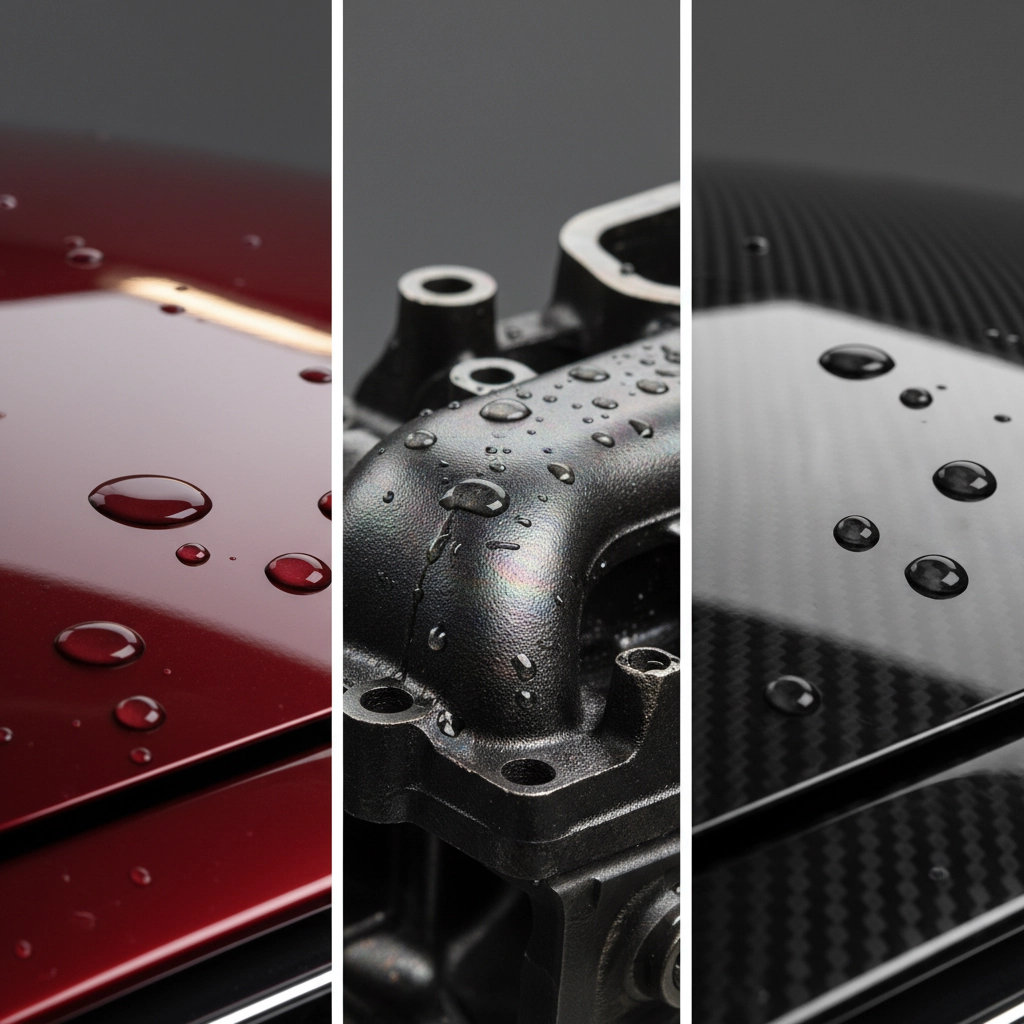
Ceramic coatings represent the newest technology in vehicle protection, forming a semi-permanent barrier that bonds directly to paint and metal surfaces. These treatments offer exceptional durability and surface protection, though their approach to rust prevention differs from traditional methods.
Advantages of Ceramic Technology:
Ceramic coatings provide unmatched longevity, typically lasting 2-5 years compared to months for wax treatments. Once applied, they require minimal maintenance while delivering consistent performance throughout their lifespan. The coating repels water, dirt, and contaminants more effectively than traditional treatments, reducing washing frequency and maintaining vehicle appearance.
Professional ceramic applications range from £800-£1,500, representing a significant upfront investment that pays dividends through reduced maintenance requirements and enhanced resale value. DIY ceramic kits are available for £70-£150, though proper preparation and application technique are crucial for optimal results.
Rust Prevention Limitations:
Despite their impressive protective properties, ceramic coatings do not directly prevent rust formation like oil-based treatments or traditional rust inhibitors. Their primary function focuses on surface protection and contamination resistance rather than moisture displacement from vulnerable areas.
Industry experts recommend combining ceramic coatings with oil-based rust prevention treatments for comprehensive protection. This hybrid approach leverages ceramic coatings for paint preservation while addressing direct rust prevention through oil application to cavities and underbody areas.
Comprehensive Treatment Comparison
Treatment Type | Durability | Direct Rust Prevention | Application Cost | Maintenance Frequency | Best For |
Oil-Based | 6-12 months | Excellent | Moderate | Annual | Maximum corrosion protection |
Wax | 2-4 months | Good | £30-100/month | Quarterly | Budget-conscious owners |
Ceramic | 2-5+ years | Limited | £800-1,500 | Minimal | Long-term investment |
Choosing the Right Treatment for Your Situation
For New Car Owners Prioritising Rust Prevention: Oil-based treatments provide the most effective direct rust protection, particularly for vehicles exposed to harsh conditions. The proven performance in independent testing makes oil-based treatments the logical choice for maximum corrosion prevention.
For Budget-Conscious Protection: Wax treatments offer the most affordable entry point into rust prevention. While requiring more frequent maintenance, the low upfront cost makes wax suitable for owners comfortable with regular vehicle care routines.
For Long-Term Vehicle Investment: Ceramic coatings excel when vehicle longevity and resale value are priorities. The substantial upfront investment pays dividends through reduced maintenance requirements and superior paint preservation over multiple years.
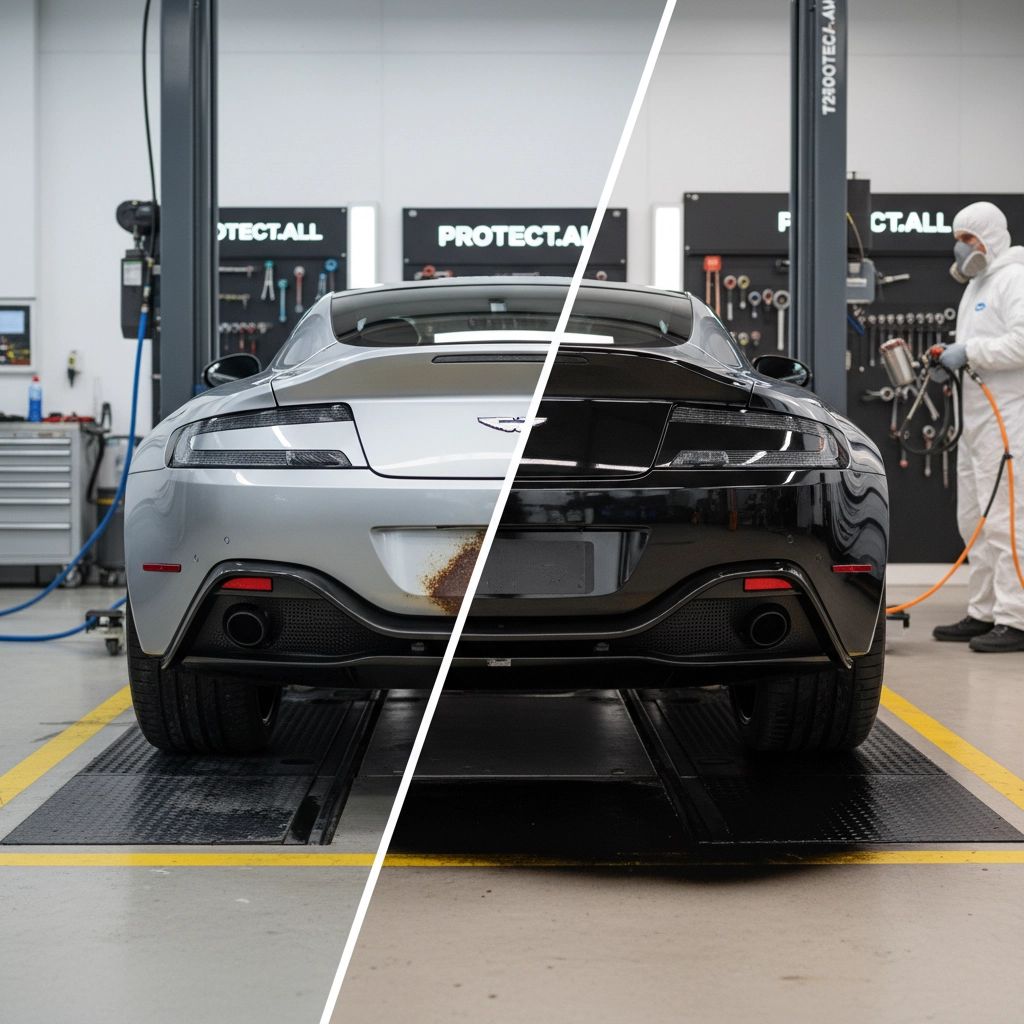
For Comprehensive Protection Strategy: The most effective approach combines ceramic coating with annual oil-based rust prevention. This strategy addresses both surface protection and direct rust prevention, providing complete coverage for new vehicles intended for long-term ownership.
Professional Application vs DIY Considerations
Professional installation ensures proper preparation, coverage, and application technique for all three treatment types. Certified technicians understand product limitations, application requirements, and follow-up maintenance protocols that maximise treatment effectiveness.
DIY applications can provide cost savings but require careful attention to preparation, application conditions, and safety protocols. Ceramic coatings particularly benefit from professional application due to their technical requirements and preparation complexity.
Making Your Final Decision
When selecting rust proofing for your new car, consider your driving environment, maintenance preferences, and long-term vehicle plans. Harsh climates, frequent winter driving, or coastal exposure favour oil-based treatments for direct rust prevention. Moderate climates with regular maintenance routines suit wax applications. Long-term vehicle ownership with minimal maintenance preferences benefits from ceramic coating investment.
The most comprehensive protection combines treatments, using ceramic coatings for surface and paint protection while implementing annual oil-based applications for direct rust prevention. This approach ensures maximum vehicle protection throughout ownership.
For expert guidance on rust proofing solutions tailored to your specific vehicle and driving conditions, professional consultation helps identify the optimal protection strategy. Quality rust prevention represents a valuable investment in your vehicle's longevity, performance, and resale value.
Comments