
Questions to ask before choosing a rustproofing garage
- Lloyd Saunders
- Jan 18
- 6 min read
Choosing the right rustproofing garage is one of the most important decisions you can make for the long-term protection of your vehicle. With numerous providers offering varying levels of service, quality, and expertise, knowing the right questions to ask can mean the difference between comprehensive, lasting protection and a substandard treatment that fails within months.
This guide provides you with the essential questions every vehicle owner should ask before committing to a rustproofing service. Armed with this knowledge, you can confidently select a provider that delivers genuine, long-lasting results.
Why asking the right questions matters
Not all rustproofing services are created equal. The quality of treatment, products used, preparation methods, and technician expertise vary significantly between providers. A thorough rustproofing treatment requires specialist knowledge, professional-grade products, and meticulous attention to detail.
By asking targeted questions before booking, you can:
Identify genuine specialists versus general mechanics offering rustproofing as a sideline
Understand exactly what you're paying for and avoid hidden costs
Ensure comprehensive coverage of all vulnerable areas
Verify the longevity and maintenance requirements of the treatment
Protect your investment with appropriate guarantees and aftercare
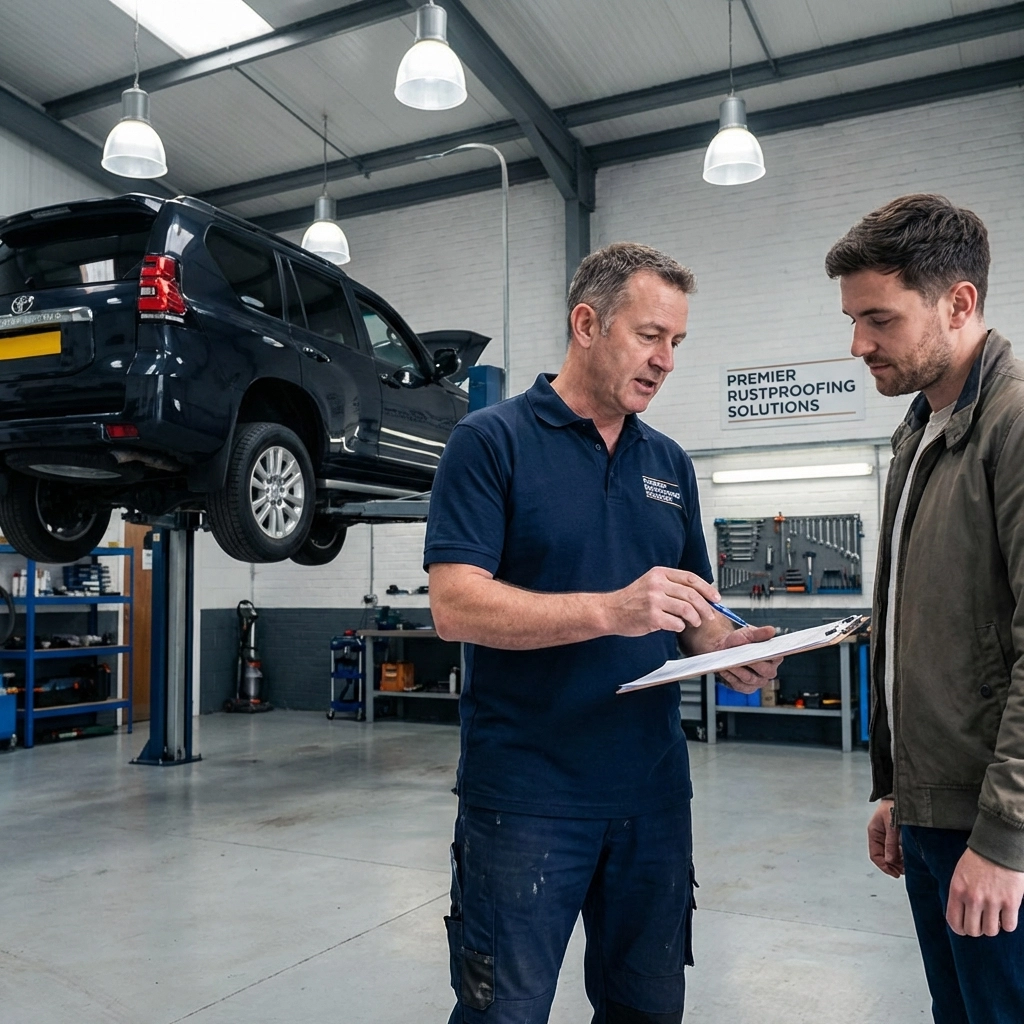
Questions about products and treatment methods
"What rustproofing products do you use?"
This is perhaps the most fundamental question to ask. Professional-grade rustproofing products such as Dinitrol offer superior durability, flexibility, and protection compared to off-the-shelf alternatives. Ask specifically about the brand names and product types they use.
A reputable garage should be able to explain:
The specific products applied to different areas of the vehicle
Why they've chosen these products over alternatives
The difference between underbody coatings, cavity waxes, and penetrating oils
"Do you use different products for different areas?"
A comprehensive rustproofing treatment isn't a one-product solution. Different areas of your vehicle require different types of protection:
Exposed underbody panels need tough, flexible coatings that resist stone chips and road debris
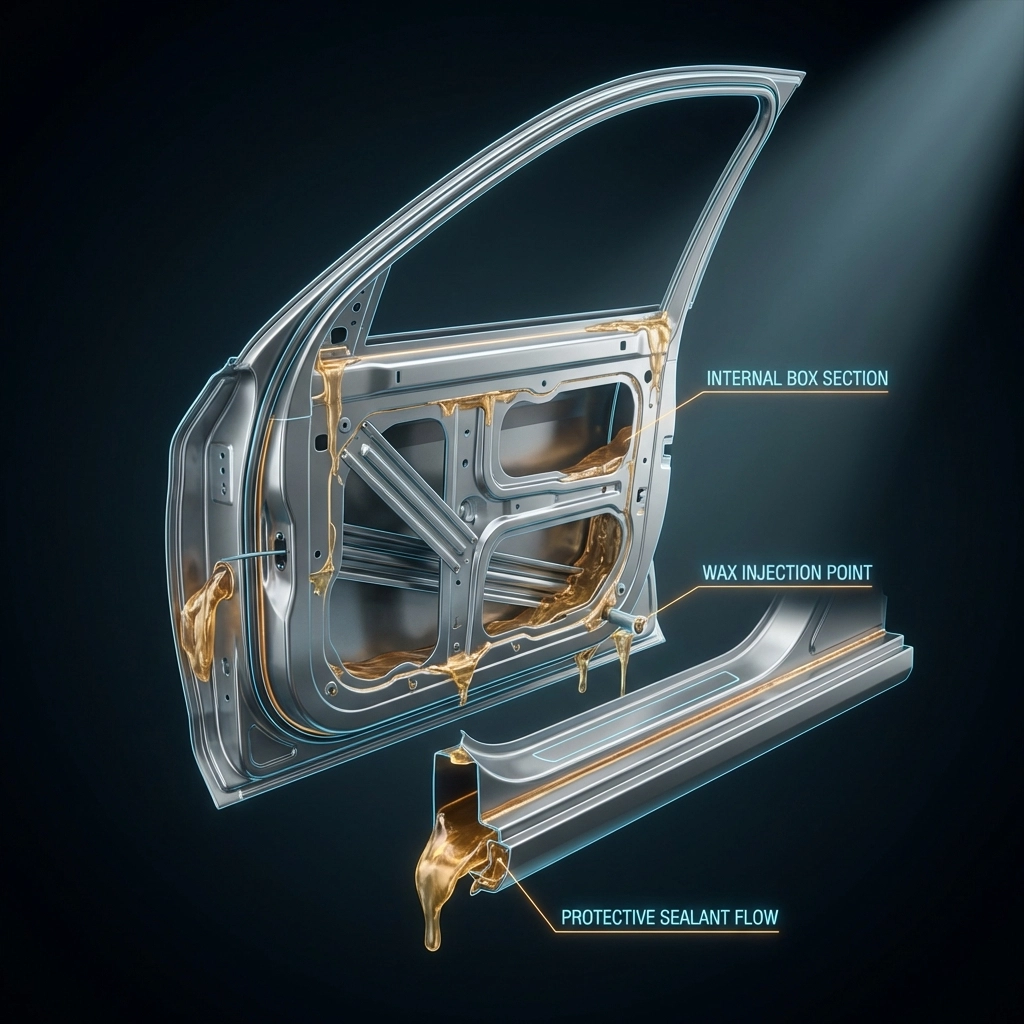
Box sections and cavities require penetrating waxes that creep into seams and hard-to-reach areas
Wheel arches and sills need products that withstand constant water and mud exposure
If a garage uses only one product for everything, this may indicate a less thorough approach.
"Is this a professional-grade treatment or retail product?"
Professional-grade undercoatings offer significantly better durability and flexibility than consumer-grade alternatives available at motor factors. Ask whether the products are trade-only or available to the general public: this often indicates quality level.
Questions about preparation and process
"How do you prepare the vehicle before treatment?"
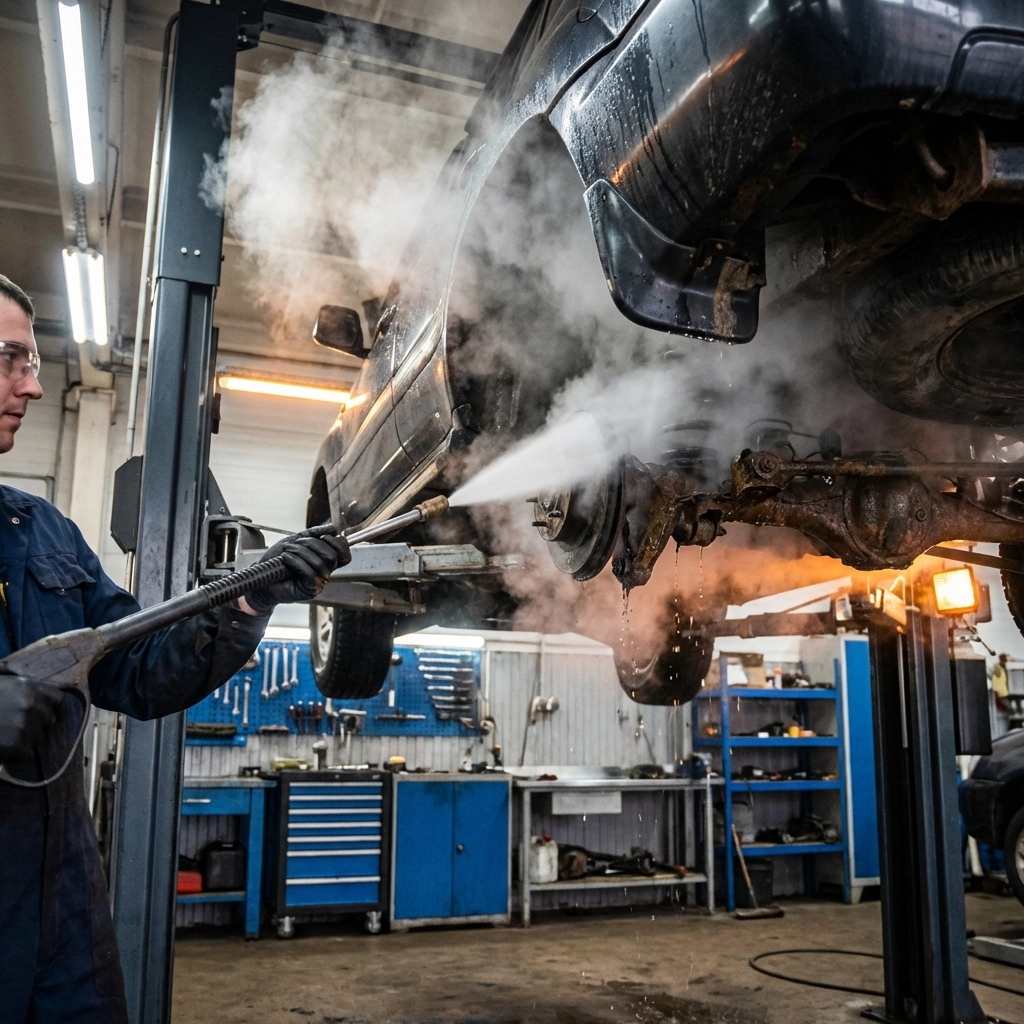
Proper preparation is absolutely critical to rustproofing success. Any reputable provider should follow a thorough preparation procedure including:
Comprehensive inspection to assess current condition
Full undercarriage steam clean to remove dirt, oil, and road grime
Complete drying before any products are applied
Rust treatment on any existing corrosion
Masking of brake components, exhaust systems, and other sensitive areas
If a garage skips or rushes the preparation stage, the treatment is unlikely to last.
"What areas of the vehicle do you treat?"
A comprehensive rustproofing treatment should cover all vulnerable areas, not just the easily accessible ones. Ask specifically whether they treat:
Full undercarriage and chassis rails
Wheel arches and inner wings
Door sills and rocker panels (inside and out)
Door cavities and internal box sections
Boot and bonnet seams
Suspension mounting points
Frame rails and crossmembers
Engine bay edges where applicable
"How do you access internal cavities and box sections?"
Accessing hidden cavities is essential for complete protection. This often requires drilling small access holes in specific locations. A skilled technician knows exactly where to drill discreetly, ensuring complete coverage without visible damage.
Ask:
Do you drill access holes for cavity treatment?
Where are these holes located?
How are they sealed afterwards?
If a provider doesn't access internal cavities, significant portions of your vehicle will remain unprotected.
"Can I see the vehicle during or after treatment?"
Transparency is a hallmark of quality service. A confident provider should be happy to show you the work they've completed. Some garages provide photo documentation of the treatment process, giving you a clear record of what was done and where.
Questions about expertise and credentials
"How long have you been specialising in rustproofing?"
Rustproofing is a specialist skill. A garage that has focused on corrosion protection for many years will have developed expertise that generalist mechanics simply cannot match. Ask about their specific experience with rustproofing rather than general automotive work.
"Are your technicians trained in rustproofing application?"
Product manufacturers often provide training programmes for professional applicators. Ask whether the technicians have received formal training from product manufacturers such as Dinitrol or similar professional-grade suppliers.
"Can you provide references or examples of your work?"
Reputable providers should be able to demonstrate their expertise through:
Customer testimonials and reviews
Before and after photographs
Examples of vehicles they've treated
Questions about guarantees and aftercare
"What guarantee do you offer?"
A confident provider stands behind their work with a meaningful guarantee. Ask specifically:
How long does the guarantee last?
What does it cover?
What would void the guarantee?
Is there documentation provided?
Premium rustproofing services often include lifetime guarantees or extended coverage that reflects the quality and longevity of the treatment.
"Do you offer any aftercare or top-up services?"
Quality doesn't end when you drive away. Ask whether the provider offers:
Complimentary inspection services to monitor the treatment over time
Top-up applications included in the original price
Ongoing maintenance programmes to ensure continued protection
A provider that offers comprehensive aftercare demonstrates confidence in their work and commitment to your vehicle's long-term protection.
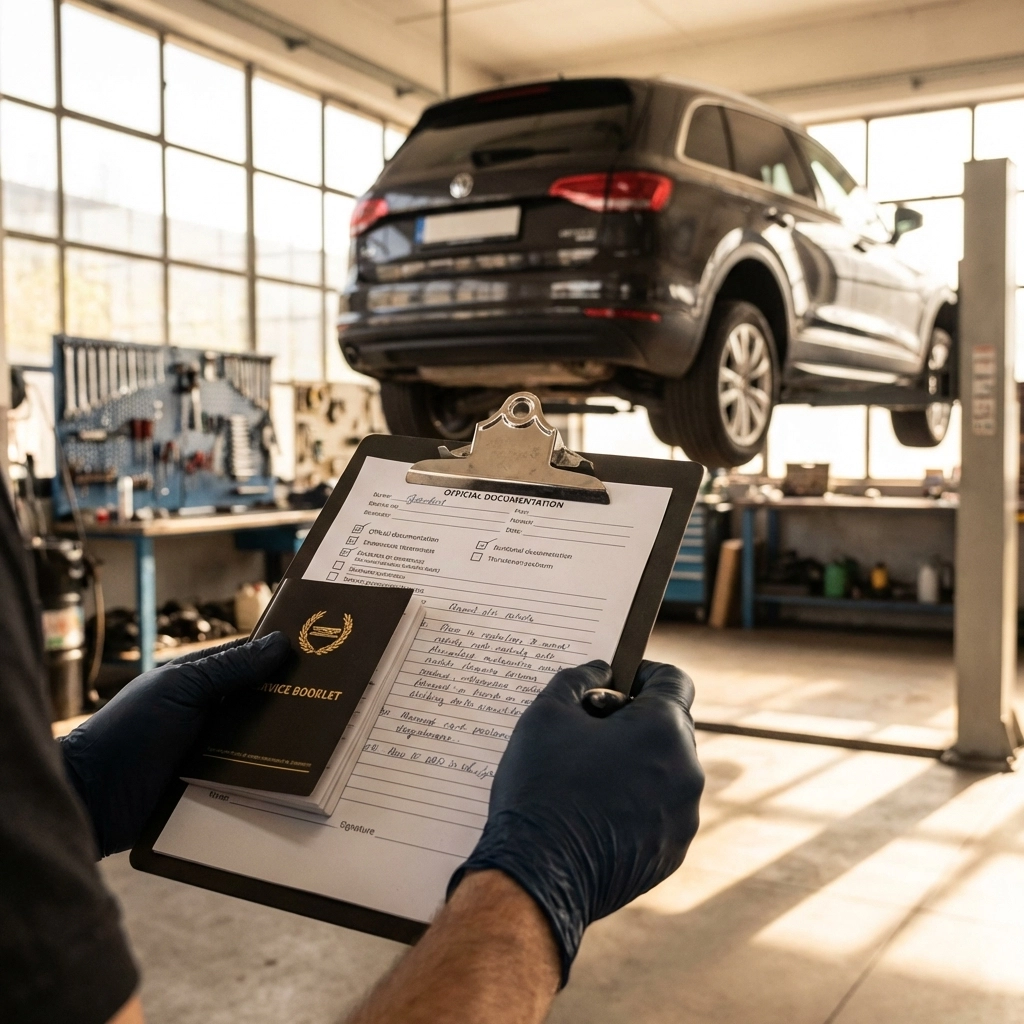
"Will I receive documentation of the treatment?"
Professional services should provide documentation including:
Details of products used
Areas treated
Date of application
Guarantee terms and conditions
Recommended maintenance schedule
This documentation proves valuable for insurance purposes, resale, and future maintenance.
Questions about cost and value
"What is included in the quoted price?"
Ensure you understand exactly what you're paying for. A comprehensive quote should include:
Full preparation and cleaning
All products and materials
Labour for complete application
Any access hole drilling and sealing
Documentation and guarantee
Aftercare services if applicable
Beware of suspiciously low quotes that may indicate shortcuts in preparation, inferior products, or incomplete coverage.
"Are there different treatment levels available?"
Many professional providers offer tiered packages to suit different requirements and budgets. Understanding the differences helps you choose the appropriate level of protection for your vehicle and circumstances.
"Do you offer any additional services?"
Some rustproofing specialists offer complementary services such as:
Existing rust treatment and repair
Stone chip repairs
Weld preparation and protection
Cavity cleaning before treatment
Questions about logistics and convenience
"How long will the treatment take?"
A thorough rustproofing treatment cannot be rushed. Expect a comprehensive service to take at least a full day, allowing proper time for preparation, application, and curing. Be wary of providers promising complete treatments in just a few hours.
"Do you offer courtesy vehicles?"
If your vehicle will be with the garage for an extended period, ask about alternative transport arrangements. Many specialist providers offer courtesy cars to minimise inconvenience.
"What condition should my vehicle be in when I bring it?"
Understanding any requirements before arrival helps ensure a smooth process. Some providers prefer vehicles to arrive clean, while others include cleaning in their preparation process.
Red flags to watch for
When speaking with potential providers, certain responses should raise concerns:
Vague answers about products or processes
Unwillingness to explain their methods in detail
No guarantee or very limited coverage
Extremely low prices compared to specialists
Very quick turnaround times suggesting rushed work
No preparation included in the service
Single product used for all areas
Making your final decision
Armed with answers to these questions, you can make an informed comparison between providers. The right rustproofing garage will demonstrate:
Expertise through detailed, knowledgeable answers
Transparency about products, processes, and pricing
Confidence backed by meaningful guarantees
Thoroughness in preparation and application
Commitment to ongoing customer care
Investing time in asking these questions protects your investment in both the rustproofing treatment and your vehicle itself. Quality rustproofing, professionally applied, provides years of protection against the corrosive conditions of UK roads.
If you're looking for a rustproofing specialist that welcomes these questions and provides comprehensive answers, Rustec offers premium Dinitrol treatments with transparent processes, thorough preparation, and robust guarantees. Our team is always happy to discuss your requirements and explain exactly how we protect your vehicle for the long term.
Comments