
Is rubberised underseal bad for classic cars?
If you own a classic car, you've likely pondered the best way to protect it from the relentless threat of rust. For decades, rubberised underseal was the go-to solution for protecting vehicle undercarriages across the UK. However, when it comes to preserving your cherished classic, the question of whether rubberised underseal is genuinely beneficial: or potentially harmful: deserves careful consideration.
The short answer? Traditional rubberised underseal can indeed cause significant problems for classic cars. But as with most things in the world of vehicle preservation, the full picture is more nuanced. Let's explore why rubberised underseal has fallen out of favour among classic car enthusiasts and professional restorers, and what superior alternatives exist today.
What is rubberised underseal?
Rubberised underseal is a thick, tar-like coating traditionally applied to vehicle undercarriages to create a protective barrier against moisture, road salt, and stone chips. Popular from the 1960s onwards, it became a standard treatment at dealerships and garages throughout the UK.
The appeal was straightforward: spray on a thick black coating, and the metal underneath would supposedly be sealed away from the elements indefinitely. For everyday vehicles with a limited lifespan, this approach offered reasonable short-term protection.
However, classic cars present an entirely different proposition. These vehicles are meant to last for decades: often passed down through generations of enthusiasts. What works for a vehicle with a ten-year lifespan may prove catastrophic for one intended to survive fifty years or more.
The hidden dangers of rubberised underseal on classic cars
Moisture entrapment: the silent destroyer
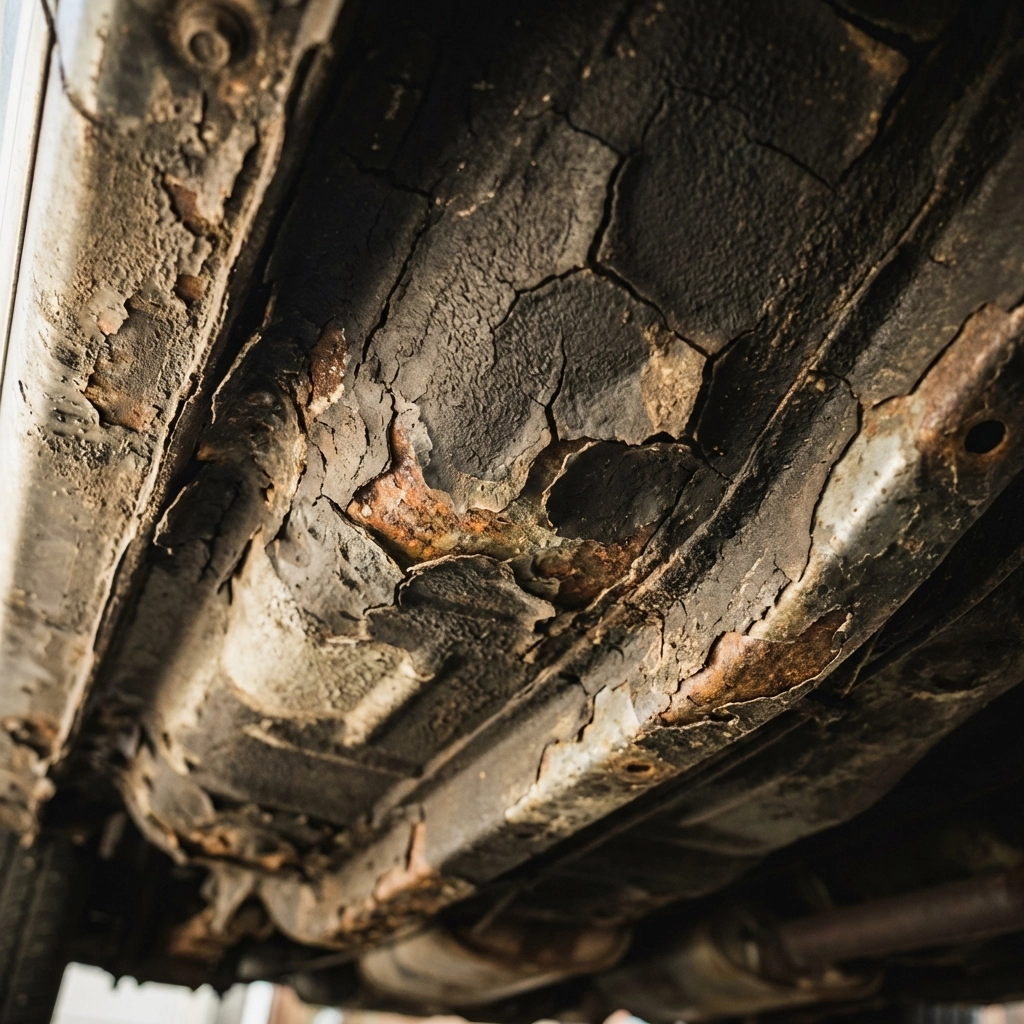
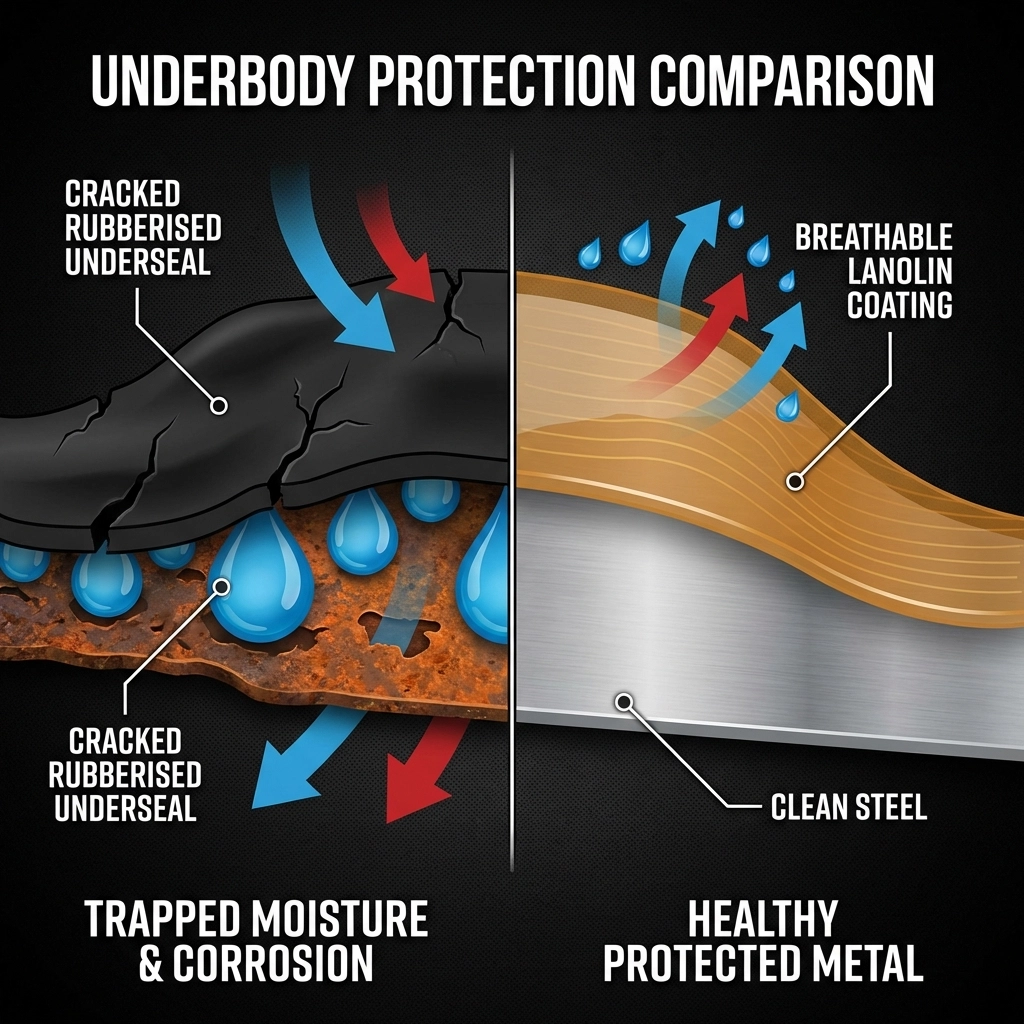
The most significant issue with rubberised underseal is its tendency to trap moisture rather than repel it. When first applied, the coating appears to create an impenetrable barrier. However, over time, hairline cracks develop through natural ageing, vibration, and thermal expansion.
Once these micro-fractures appear, water finds its way beneath the coating: and then cannot escape. The rubberised layer that was meant to protect the metal now holds moisture directly against it, accelerating corrosion in precisely the areas you believed were safeguarded.
This is particularly problematic for classic cars because:
Older steel is often more susceptible to corrosion than modern galvanised alternatives
Classic vehicles spend extended periods in storage, allowing trapped moisture to cause sustained damage
The underside of classic cars often features complex box sections and seams where moisture accumulation is most destructive
Chemical vulnerability
Research has demonstrated that older rubberised undercoatings are highly susceptible to damage from common automotive fluids. Brake fluid, battery acid, and even brake cleaner can etch and soften traditional rubberised coatings significantly. For classic cars: where minor fluid leaks are commonplace: this chemical vulnerability poses a genuine risk.
When the coating degrades due to chemical exposure, it loses adhesion and begins to lift away from the metal surface. This creates pockets where moisture and contaminants accumulate, initiating the very corrosion the underseal was designed to prevent.
Concealing existing problems
Perhaps most concerning for classic car owners is rubberised underseal's ability to hide developing rust. The thick, opaque coating makes visual inspection virtually impossible. Rust can spread extensively beneath the surface, remaining undetected until structural integrity is compromised.
Many restoration specialists have encountered classic vehicles where rubberised underseal concealed catastrophic corrosion. What appeared sound from the outside revealed severely weakened metal once the coating was removed: sometimes requiring extensive welding repairs that could have been avoided with earlier detection.
Why classic cars require a different approach
Classic vehicles demand rust protection solutions that account for their unique circumstances:
Long-term preservation – These aren't vehicles with a five-year financing period. Classic cars are investments intended to appreciate over decades.
Periodic inspection – The ability to monitor the condition of underlying metal is essential for proactive maintenance.
Compatibility with original materials – Many classic cars feature components and finishes that react poorly to certain modern treatments.
Breathability – Protection that allows moisture to escape rather than trapping it is crucial for vehicles that may sit for extended periods.
Superior alternatives for classic car rust protection
Lanolin-based treatments
Lanolin-based rustproofing products have emerged as the preferred choice among classic car enthusiasts and professional restorers. Unlike rubberised underseal, lanolin-based treatments offer several distinct advantages:
Self-healing properties – Minor scratches and abrasions reseal naturally
Moisture displacement – Rather than trapping water, lanolin actively displaces moisture from metal surfaces
Penetration capability – These products reach into seams, joints, and box sections that spray-on coatings cannot access
Encapsulation of existing rust – Surface rust can be treated and stabilised rather than requiring complete removal
Chemical resistance – Superior performance when exposed to brake fluid, battery acid, and other automotive chemicals
Transparency for inspection – Many formulations allow continued visual monitoring of protected surfaces
Products such as Lanoguard have demonstrated exceptional effectiveness in UK conditions, providing comprehensive protection whilst allowing classic car owners to maintain visibility of their vehicle's underlying condition.
Professional cavity wax treatment
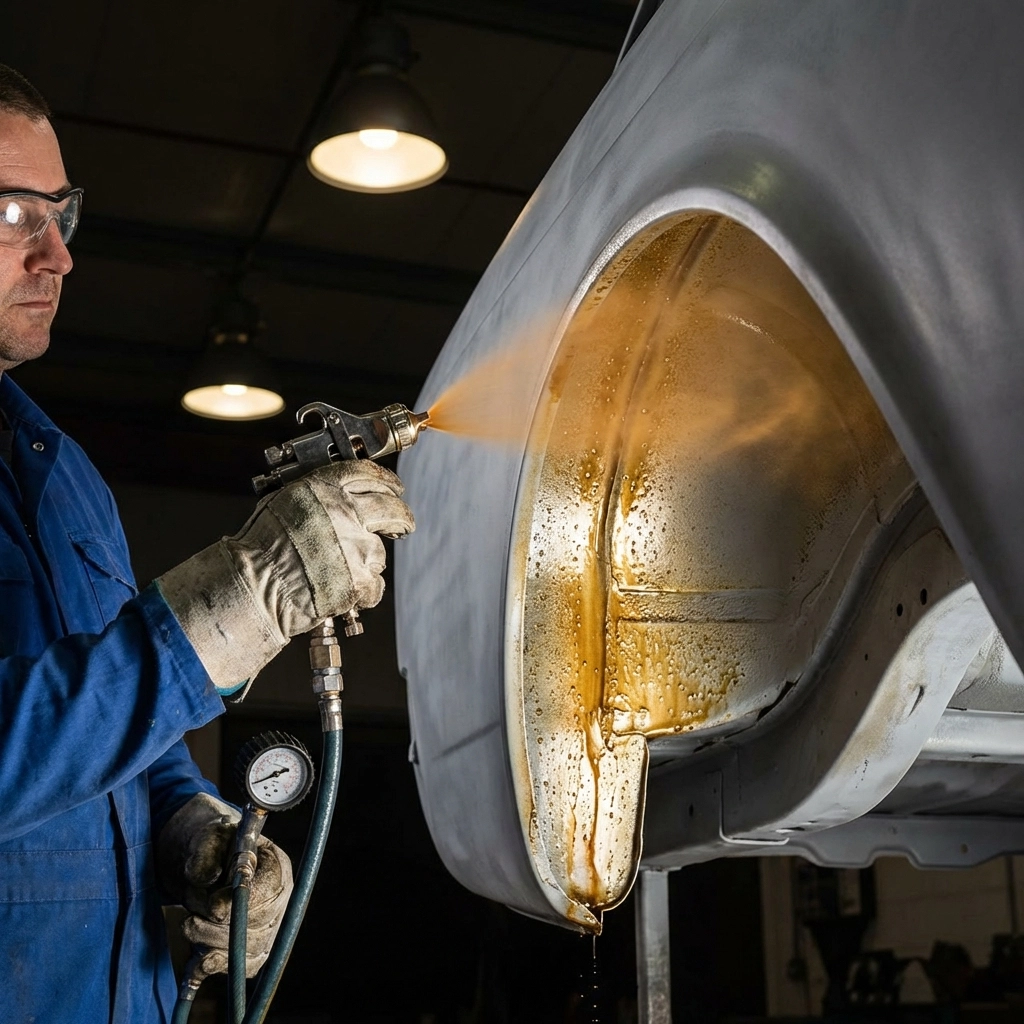
For classic cars, cavity wax treatment addresses the internal spaces that external coatings cannot reach. Door sills, box sections, chassis rails, and other enclosed areas are particularly vulnerable to corrosion: and particularly difficult to treat with traditional methods.
Professional cavity wax application involves injecting specialist products into these hidden spaces, creating long-lasting protection where it matters most. This approach is especially valuable for classic vehicles, where original construction often included numerous box sections that trap moisture and debris.
What to do if your classic car has existing rubberised underseal
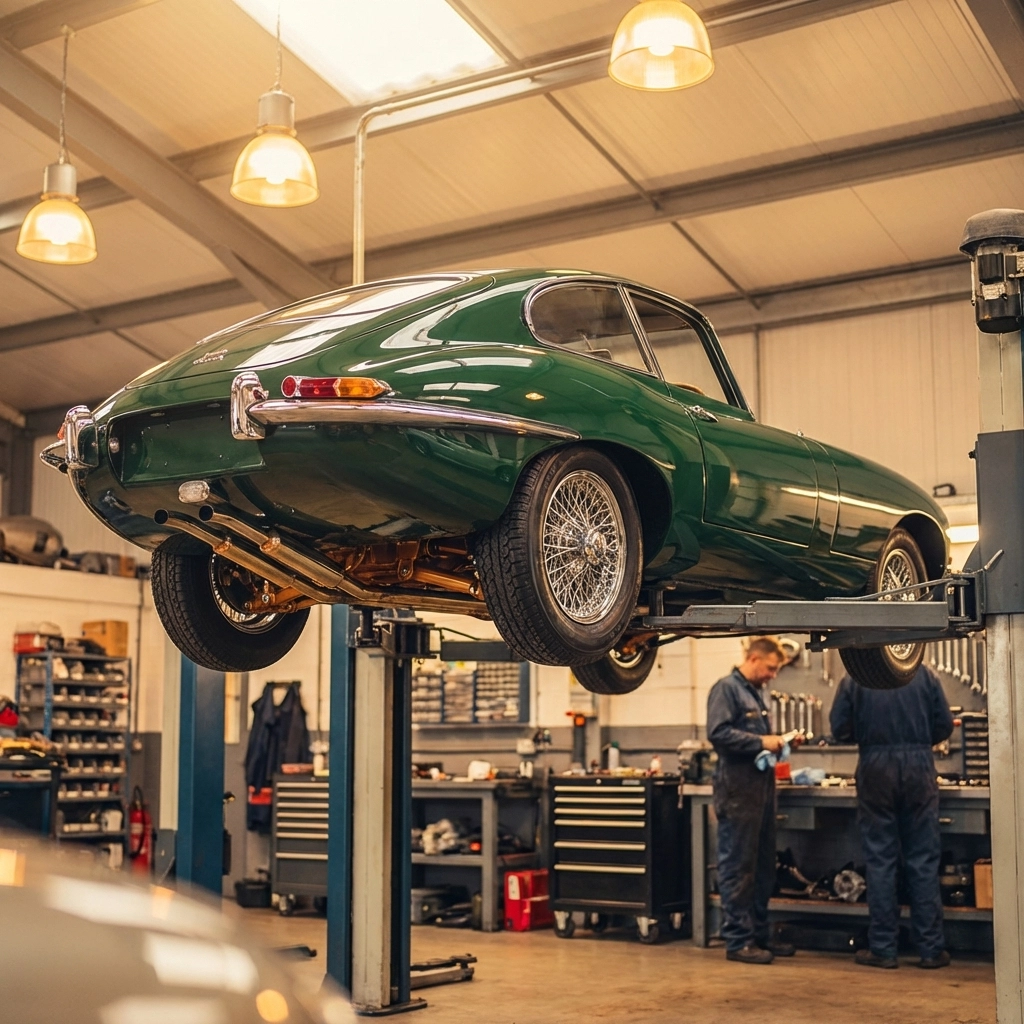
If your classic vehicle already has rubberised underseal applied, don't panic: but do take action. Here's the recommended approach:
1. Comprehensive inspection
Have the existing underseal thoroughly inspected by a specialist. Look for:
Cracking, flaking, or lifting of the coating
Bubbling that may indicate rust beneath
Soft spots where the coating has degraded
Areas where the underseal has separated from the metal
2. Consider removal
In many cases, the safest approach is complete removal of existing rubberised underseal. This allows:
Full assessment of the underlying metal condition
Treatment of any rust discovered
Application of superior modern protection
Removal is labour-intensive but provides peace of mind that hidden corrosion isn't silently destroying your investment.
3. Professional re-treatment
Following removal and any necessary repairs, professional application of modern rust protection: such as a comprehensive Dinitrol treatment: ensures your classic car receives the highest standard of long-term preservation.
The professional rustproofing process for classic cars
At Rustec, our approach to classic car rustproofing follows a meticulous process designed to deliver lasting protection:
01: Thorough inspection and documentation – Every vehicle receives a comprehensive assessment with photographic documentation of its current condition.
02: Complete undercarriage cleaning – Steam cleaning removes all road debris, old treatments, and contaminants to expose the bare metal.
03: Rust treatment – Any existing corrosion is addressed before protective products are applied.
04: Multi-layer protection – Premium products are applied to external surfaces and internal cavities, ensuring comprehensive coverage.
05: Final inspection and guarantee – Every treatment includes our Rustec Guarantee, providing confidence in the protection we've applied.
Making the right choice for your classic car
Your classic car deserves protection that matches its value: both financial and sentimental. While rubberised underseal served a purpose in decades past, modern understanding of corrosion and the availability of superior products make it an outdated choice for vehicles intended to last generations.
Lanolin-based treatments and professional cavity wax applications offer the comprehensive, long-lasting protection that classic cars require. These solutions work with your vehicle rather than against it, providing defence against UK road conditions whilst maintaining the ability to monitor and maintain your investment.
If you're uncertain about the current condition of your classic car's rust protection, or you're considering upgrading from old-fashioned rubberised underseal, professional assessment is the essential first step. Understanding exactly what lies beneath existing coatings allows informed decisions about the best path forward.
Your pride and joy deserves nothing less than the highest-quality protection available. With the right treatment, your classic car can remain rust-free for a lifetime: ready to be enjoyed for generations to come.
If you would like more information about classic car rustproofing or wish to book a comprehensive inspection, don't hesitate to get in touch. Our team is always happy to discuss the best approach for your specific vehicle.
Comments