
Can storing a car outside cause rust?
For many vehicle owners across the UK, a garage simply isn't an option. Whether you live in a flat, have limited driveway space, or your garage has long since become a storage facility for everything but your car, outdoor parking is a reality of everyday life. But does leaving your vehicle exposed to the elements actually cause rust?
The short answer is yes. Storing a car outside significantly increases its vulnerability to corrosion. Without the protective barrier of a garage, your vehicle faces constant exposure to moisture, temperature fluctuations, and environmental contaminants: all of which accelerate the formation of rust on metal components.
Understanding exactly how and why this happens is the first step toward protecting your investment. In this comprehensive guide, we explore the relationship between outdoor storage and rust formation, and what you can do to safeguard your vehicle.
How Outdoor Storage Exposes Your Vehicle to Corrosion
When a vehicle is parked outside, it becomes subject to the full force of the British climate. Unlike indoor storage, where conditions remain relatively stable, outdoor environments present a constantly changing assault on your car's metalwork.
Rain, Humidity, and Moisture Accumulation
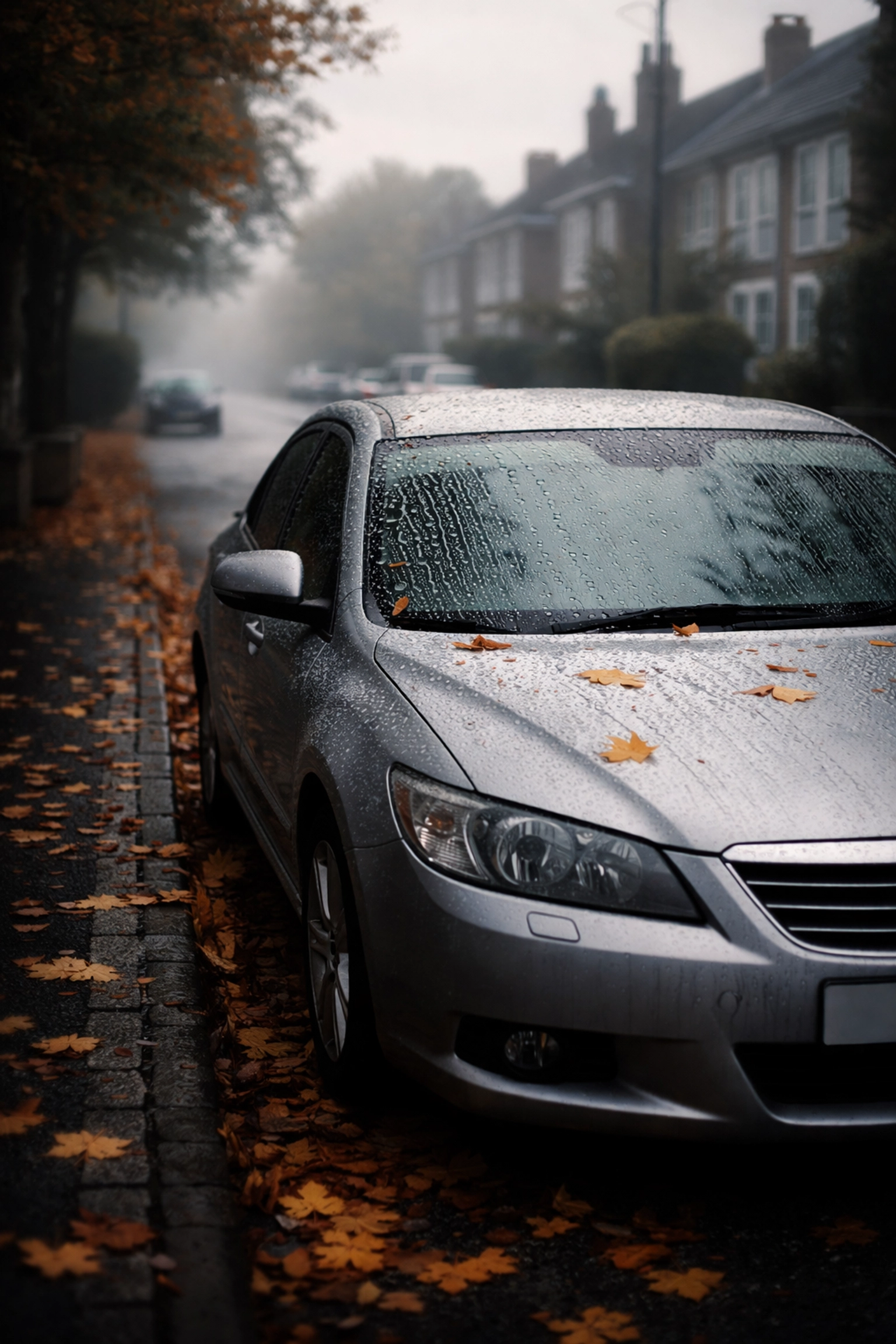
The UK experiences an average of 156 days of rain per year, and vehicles stored outside absorb the brunt of this precipitation. While a single rain shower might seem harmless, the cumulative effect of repeated exposure creates ideal conditions for rust to develop.
Rust requires three elements to form: iron, oxygen, and water. Your vehicle's chassis, underbody panels, and structural components contain iron, and when moisture is consistently present, the oxidation process begins. Water naturally collects in seams, joints, plastic trims, and any area where drainage is impeded: these become prime locations for corrosion to take hold.
High humidity compounds the problem. Even on days without rain, moisture in the air settles on metal surfaces, particularly overnight when temperatures drop. This invisible layer of dampness provides continuous fuel for the rusting process.
Temperature Fluctuations and Condensation
One of the most overlooked causes of rust on outdoor-stored vehicles is condensation. Temperature changes between day and night cause moisture to form on metal panels: much like the condensation you see on a cold glass on a warm day.
When warm, moist air meets the cooler metal surfaces of your vehicle, water droplets form. These droplets seep into crevices, collect in hidden cavities, and remain trapped against the metalwork. Over time, this repeated cycle of condensation and evaporation accelerates corrosion from the inside out.
In the UK, where temperature swings between seasons: and often within a single day: this phenomenon occurs with alarming regularity. Vehicles stored outdoors experience this cycle hundreds of times per year, each instance contributing to gradual deterioration.
The Hidden Dangers: Road Salt and Environmental Contaminants
Outdoor storage doesn't just expose your vehicle to natural weather conditions: it also leaves it vulnerable to environmental pollutants and road treatment chemicals that dramatically accelerate rust formation.
Road Salt: The Silent Chassis Killer
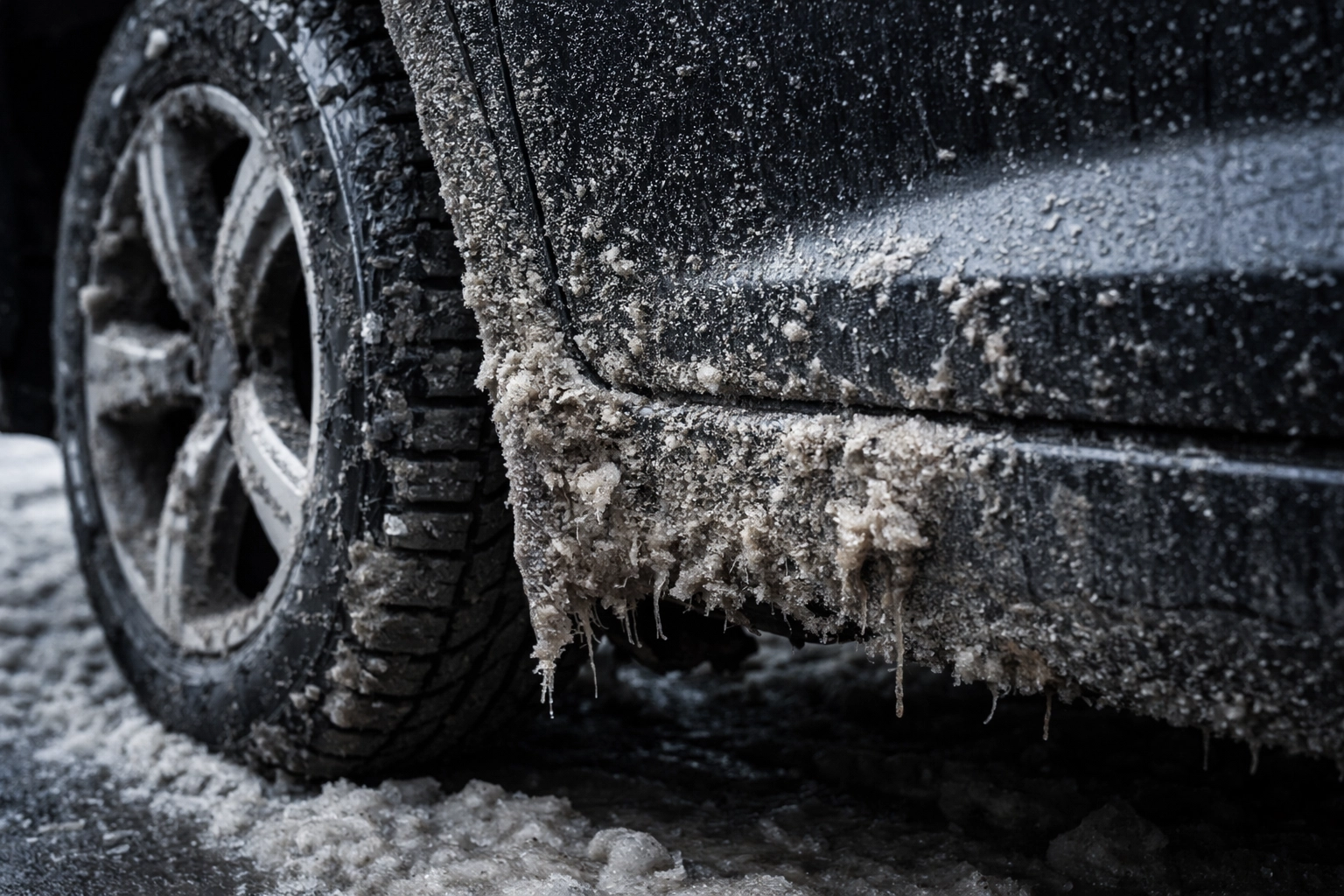
Every winter, UK councils spread approximately two million tonnes of road salt to combat icy conditions. While essential for road safety, this salt is devastating for vehicles. Salt is hygroscopic, meaning it attracts and holds moisture against metal surfaces. It also acts as an electrolyte, accelerating the electrochemical reaction that causes rust.
When you drive on salted roads, this corrosive mixture coats your vehicle's underbody, wheel arches, and lower panels. If your car is then parked outside, rain and humidity keep the salt active rather than washing it away completely. The result is an aggressive, ongoing attack on your vehicle's structural integrity.
Vehicles stored outdoors in areas near coastal regions face similar challenges, as salt-laden air constantly deposits corrosive particles on exposed surfaces.
Airborne Pollutants and Debris
Urban environments introduce additional hazards. Industrial emissions, brake dust from passing traffic, and airborne particulates settle on your vehicle's surface. When combined with moisture, these contaminants create acidic compounds that eat away at protective coatings and bare metal alike.
Tree sap, bird droppings, and organic debris also pose risks. Left on a vehicle's surface, these substances can damage paintwork and trap moisture against panels, creating localised corrosion spots.
Where Rust Forms First on Outdoor-Stored Vehicles
Understanding the most vulnerable areas of your vehicle helps you know where to look for early signs of corrosion. Outdoor-stored vehicles typically develop rust in predictable locations:
Wheel arches and inner wings – These areas collect road spray, mud, and salt, remaining damp long after the rest of the vehicle has dried
Chassis rails and crossmembers – The structural underbody is constantly exposed to moisture kicked up from the road surface
Door bottoms and sills – Drainage holes can become blocked, trapping water inside enclosed sections
Boot and bonnet seams – Water collects in joints and seams, seeping beneath seals
Suspension mounting points – Critical structural areas that are difficult to inspect without lifting the vehicle
Interior cavities – Box sections, door frames, and pillars where moisture enters but cannot easily escape
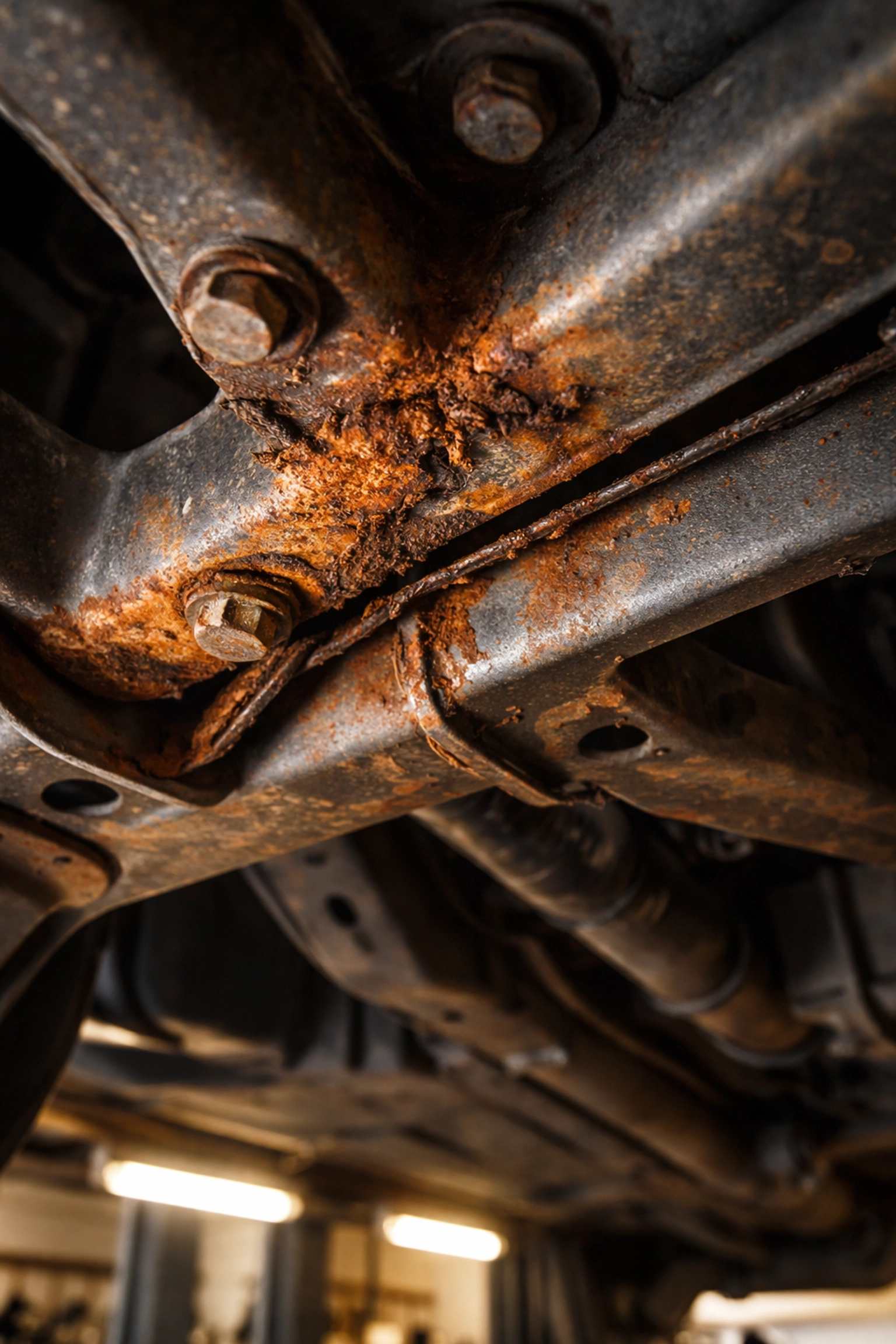
These hidden areas are particularly problematic because rust often develops extensively before becoming visible externally. By the time you notice bubbling paint or surface corrosion, significant structural damage may have already occurred beneath.
Protecting Your Vehicle When Outdoor Storage Is Unavoidable
If parking your vehicle outside is your only option, there are practical steps you can take to minimise the risk of rust formation:
Regular Washing and Drying
Frequent washing removes salt, dirt, and contaminants before they can cause damage. During winter months, pay particular attention to the underbody and wheel arches. Importantly, ensure your vehicle is thoroughly dried after washing: trapped moisture beneath dirt and grime accelerates corrosion.
Quality Car Covers
A breathable, weather-resistant car cover provides a physical barrier against rain, snow, and airborne contaminants. However, covers must be used correctly. A non-breathable cover can trap moisture beneath it, potentially worsening the problem. Look for covers specifically designed for outdoor use with adequate ventilation.
Wax and Sealant Application
Regular application of quality wax or paint sealant creates a protective barrier on your vehicle's bodywork. This helps repel water and prevents contaminants from bonding directly with the paintwork. However, this only protects visible external panels: it does nothing for the underbody or internal cavities where most corrosion begins.
Inspection and Maintenance
Regularly inspect your vehicle's underbody, wheel arches, and drain holes. Clear any blocked drainage points to prevent water accumulation. Addressing small areas of surface rust promptly can prevent more serious structural corrosion from developing.
Why Professional Rustproofing Offers the Ultimate Protection
While the measures above help reduce risk, they address symptoms rather than providing comprehensive protection. For vehicles stored outdoors, professional rustproofing treatment offers the most effective defence against corrosion.
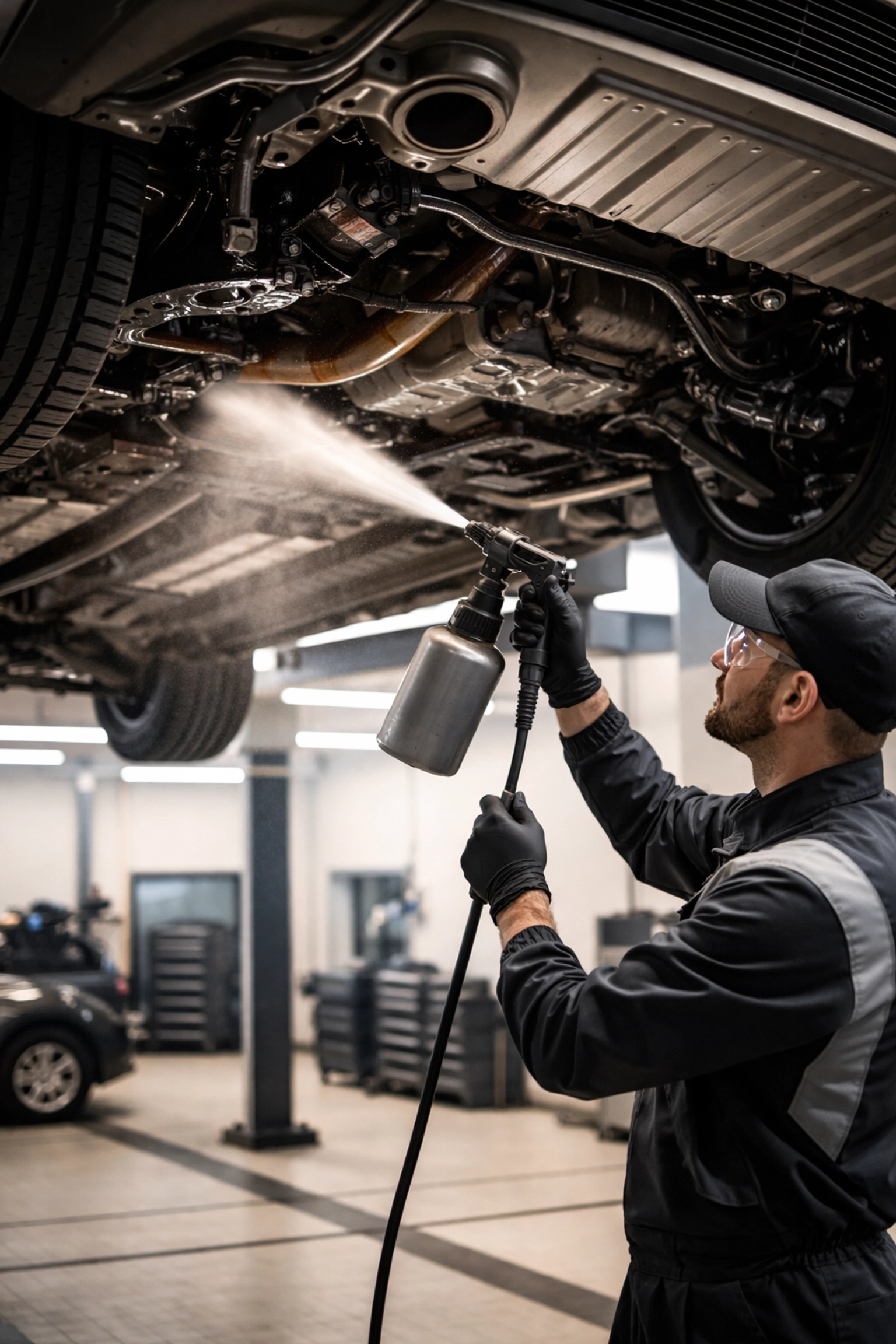
A thorough rustproofing service treats all vulnerable areas of your vehicle: including the chassis, underbody panels, wheel arches, and crucially, the internal cavities that are impossible to protect through washing or waxing alone.
At Rustec, our comprehensive rustproofing treatments include:
Full underbody inspection and steam clean to remove existing contaminants
Cavity wax application to protect internal box sections, sills, and door frames
Underbody protective coating using the highest-quality products including Dinitrol®
Photo documentation of the treatment process for your records
Our Rustec Guarantee providing long-term peace of mind
Professional rustproofing creates a lasting barrier between your vehicle's metal components and the moisture, salt, and contaminants that cause corrosion. For vehicles without the protection of a garage, this treatment is not a luxury: it's an essential investment in preserving your vehicle's structural integrity, safety, and resale value.
Taking Action to Protect Your Investment
Storing a car outside does cause rust: there's no escaping the science behind corrosion. The UK climate, with its combination of rain, humidity, temperature fluctuations, and winter road salt, creates perfect conditions for oxidation to attack your vehicle's metalwork.
However, understanding this risk empowers you to take action. Whether through diligent maintenance routines or comprehensive professional rustproofing, you can significantly extend the life of your vehicle and maintain its condition for years to come.
If you're concerned about the effects of outdoor storage on your vehicle, or you'd like to learn more about how professional rustproofing can protect your car, van, or 4x4, don't hesitate to get in touch with our team. We're here to help ensure your vehicle remains rust-free throughout its life: regardless of where you park it.
Enquire about rustproofing your vehicle today and discover how Rustec can provide the protection your outdoor-stored vehicle needs.
Comments