
7 Mistakes You’re Making with Land Rover Rust Proofing (And How to Fix Them)
Land Rover owners often believe their vehicles are invincible, but the reality of UK roads tells a different story. Rustproofing a Defender, Discovery, or Range Rover is not a simple DIY afternoon task or a quick "spray and go" service. Most owners make critical errors that actually accelerate the destruction of their chassis. In this guide, we detail the seven most common mistakes in Land Rover rust protection and explain how the Rustec Elite Standard prevents them.
The Direct Reality of Land Rover Corrosion
If you own a Land Rover in the UK, you are fighting a losing battle against salt, humidity, and mud. The biggest mistake is waiting until rust becomes visible. By the time you see orange flakes on your chassis rails, the structural integrity of the steel is already compromised. Land Rovers, particularly those with boxed chassis like the Defender or Discovery 4, are prone to "inside-out" corrosion. In UK conditions, corrosion is not a question of if , but when.
Visual Mental Model: The Dirty Sponge Analogy
Think of a poorly rust-proofed chassis like a kitchen sponge wrapped in cling film. If the sponge is damp or dirty when you seal it, the moisture has nowhere to go. It sits against the material, stagnant and destructive. A "quick" underseal job that sprays over dirt or moisture essentially wraps your Land Rover in plastic, trapping the very elements that cause it to rot. A poor rustproofing job can be worse than doing nothing, as it traps moisture and accelerates corrosion.
1. Spraying Over Dirt and Road Grime
The most frequent mistake is failing to clean the substrate properly. Land Rovers are designed for off-road use, meaning their chassis rails and crevices are often packed with mud and salt. Applying a protective coating over this debris creates a pocket of trapped moisture.
The Fix: You must perform a high-pressure, deep-chassis wash. At Rustec, we don't just rinse the surface; we clear the internal box sections and difficult-to-reach areas above the fuel tank and gearbox.
2. Trapping Moisture with Rapid Turnaround
Many "professional" services offer same-day rustproofing. This is a technical impossibility in the UK climate. If the chassis is not 100% dry before the coating is applied, you are sealing water directly against the metal.
The Fix: Professional treatment requires a dedicated drying phase. Our 72-hour Elite Standard ensures the vehicle spends significant time in a temperature-controlled environment with industrial air movers before a single drop of Dinitrol is applied.
3. Ignoring the "Iceberg" of Internal Corrosion
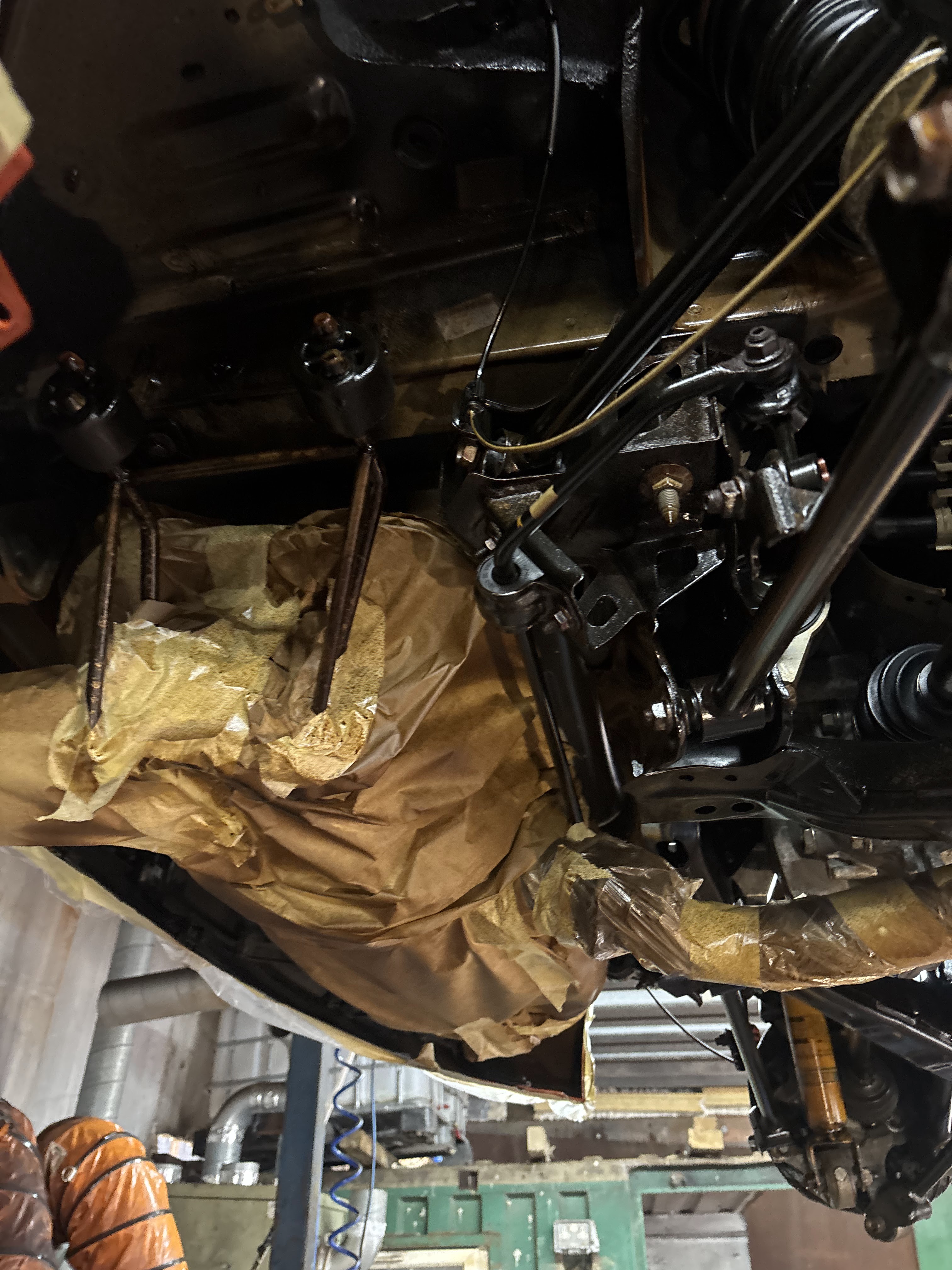
Land Rover chassis rot from the inside out. Owners often focus on the external surfaces they can see while the internal box sections remain dry, brittle, and rusting. By the time the exterior paint bubbles, the internal wall thickness of the steel has often halved.
The Fix: Internal cavity injection is mandatory. We use specialist wands to fog internal sections with high-penetration waxes like Dinitrol ML, which creep into every weld and seam to displace moisture.
4. Prioritising Appearance Over Process
Many owners are seduced by a "shiny black" finish. However, process matters more than product. A cheap bitumen-based underseal might look good for a month, but it often hides ongoing rot. If the preparation wasn't perfect, the rust is simply continuing its work beneath a black mask.
The Fix: Demand a multi-stage process. You need to know exactly how the surface was prepared and whether the rust was neutralised before the final topcoat was applied. Learn more about best rustproofing method for UK vehicles to understand why the 72-hour standard is the only way to ensure longevity.
5. Failing to Mask Sensitive Components
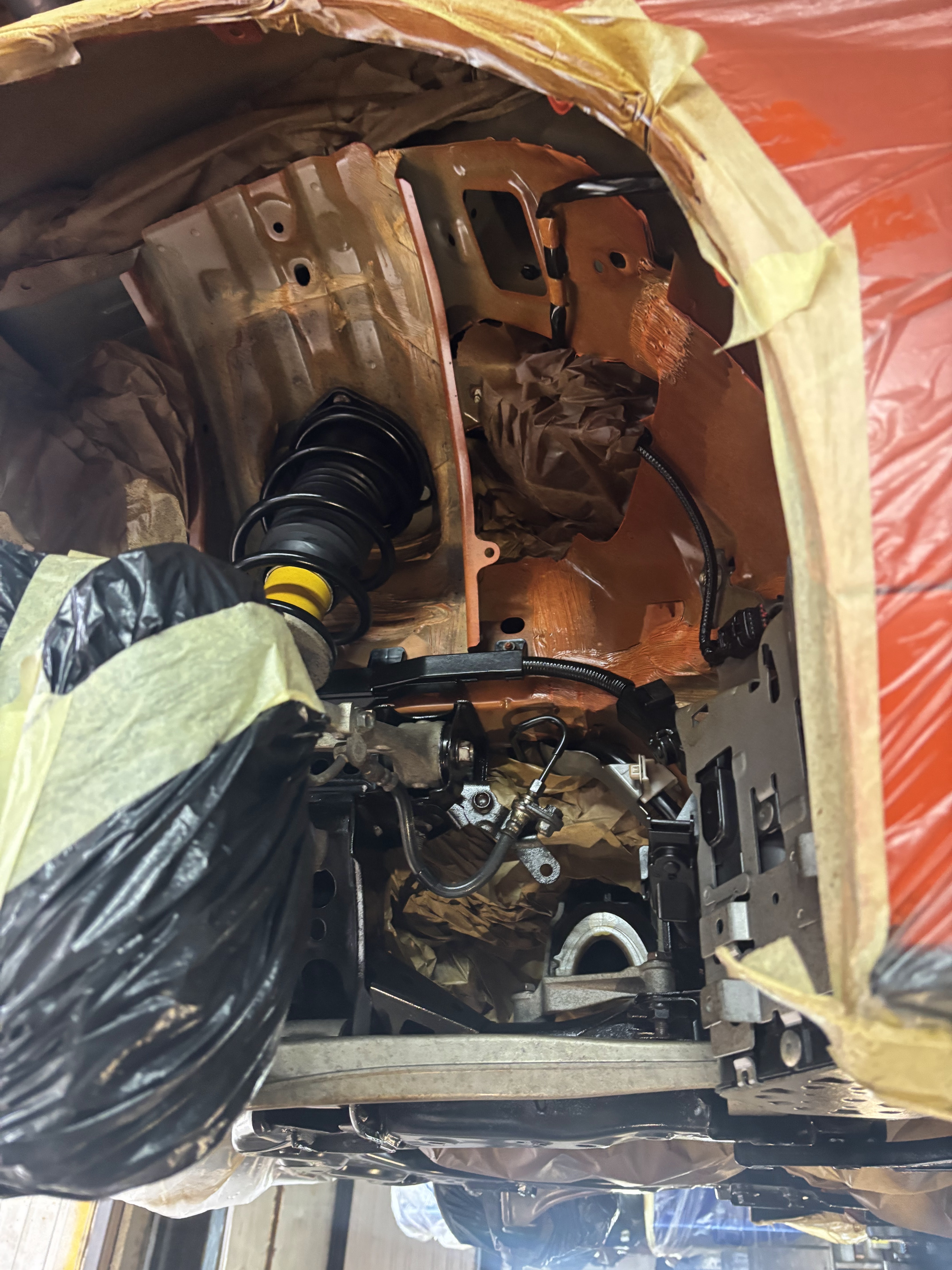
A common DIY and "cheap shop" error is the "spray everything" approach. Coating brake discs, sensors, exhaust systems, and rubber bushings in heavy wax causes mechanical failure and MOT headaches.
The Fix: Meticulous masking. We spend hours covering the braking system, exhaust, and electrical connectors with protective film and tape to ensure the protection goes only where it belongs.
6. Using the Wrong Product for the Job
Not all rustproofing products are equal. Using a hard, brittle coating on a Land Rover chassis that flexes during off-road use will lead to cracking. Once the coating cracks, water enters via capillary action and gets trapped.
The Fix: Use flexible, self-healing waxes. We utilise Dinitrol systems because they remain pliable, allowing the coating to move with the vehicle and "heal" over small stone chips or scratches. Check the cost of rustproofing in the UK to see why investment in quality materials pays off.
7. Waiting for the MOT Failure
Doing nothing leads to financial loss. Many owners wait until an MOT tester pokes a hole in their chassis with a hammer before seeking help. At that point, you aren't looking for rustproofing; you're looking for a welder.
The Fix: Act early. Prevention is always cheaper than a cure. If you can see surface rust, the clock is already ticking.
The Financial Consequence of Delay
Delaying rust protection is a high-stakes gamble that Land Rover owners rarely win.
Professional Rustproofing: £500 – £1,200 (One-time investment every 3–5 years).
Chassis Welding Repairs: £1,000 – £4,000+ (Often required annually once rot starts).
Resale Value Loss: £2,000 – £5,000 (A rusty Land Rover is almost impossible to sell at a premium).
Investing in protection early ensures you maintain the vehicle's structural integrity and its market value. Consider whether rustproofing is worth the cost when compared to the skyrocketing costs of parts and labour in the UK.
WHEN TO ACT: The Land Rover Window
0–3 Years (New/Near-New): The critical window for prevention. Factory protection is minimal; acting now stops rust before it starts.
3–5 Years (Ideal Window): The standard window for most UK Land Rovers. Surface rust is likely present but easily manageable.
5+ Years / Visible Rust: Urgent. Corrosion is established. Immediate intervention is required to stop structural degradation.
Comparison: Rustec vs. The "Quick" Service
Feature | Rustec Elite 72-Hour Standard | Typical "Quick" Underseal |
Preparation | Deep clean + 24hr industrial drying | Quick jet wash or wire brush |
Masking | All brakes, exhaust & sensors protected | Minimal or no masking |
Internal Cavities | Full injection with high-creep wax | Surface spray only |
Longevity | 3–5+ Years | 6–12 Months |
Risk | Zero moisture entrapment | High risk of trapping rust/moisture |
The Rustec Elite 72-Hour Process
Stage 1: Deep Clean & Degrease. Removal of all road salt, mud, and debris from every corner of the chassis.
Stage 2: Technical Drying. 24 hours in a controlled environment to ensure zero moisture remains in box sections.
Stage 3: Meticulous Masking. Protecting all mechanical and electrical components.
Stage 4: Rust Neutralisation. Treating any existing surface corrosion with high-grade converters.
Stage 5: Cavity Injection. Fogging all internal rails with Dinitrol ML.
Stage 6: Underbody Coating. Application of Dinitrol 4941 heavy-duty wax.
Stage 7: Final Inspection. Verification of coverage and reassembly.
Buyer Psychology: The Regret of "Later"
We regularly speak to owners who say, "I wish I’d done this three years ago." They are usually facing a £2,500 bill for a new rear crossmember or outriggers. This regret is entirely avoidable. Professional rustproofing is an insurance policy against the inevitable decay caused by the UK climate. Understanding how long rustproofing lasts in the UK is the first step in protecting your asset.
Land Rover Rust Proofing FAQ
Is it worth rustproofing an older Land Rover? Yes, provided the chassis is still structurally sound. Stopping existing rust from progressing is far cheaper than allowing it to turn into holes that require welding.
Does rustproofing affect my Land Rover's warranty? Professional application of non-corrosive waxes like Dinitrol typically does not affect mechanical warranties, but always check with your specific provider.
How often should I have it inspected? We recommend a free annual inspection to check for stone chip damage or areas where off-roading may have scraped the coating.
Can I DIY rustproof my Defender? You can, but without the ability to steam clean internal cavities and professionally dry the chassis for 24 hours, you run a high risk of trapping moisture and making the problem worse.
If you want to protect your vehicle properly : not just cover it up : the best time to act is before corrosion progresses. You can book a free inspection or request a quote here.
In UK conditions, corrosion is not a question of if ; but when. Delaying turns prevention into welding bills and resale loss. Book your professional rustproofing near me and secure your inspection now.
Link to 3 existing relevant Rustec blog posts:
Comments