
Why do cars rust faster in the UK?
- Lloyd Saunders
- Jan 28
- 5 min read
If you've ever wondered why your vehicle seems to develop rust faster than cars in sunnier climates, you're not alone. The UK presents a uniquely challenging environment for vehicle preservation, and understanding exactly why can help you take the right steps to protect your pride and joy.
The truth is, British vehicles face a near-constant assault from multiple corrosion-causing factors: many of which simply don't exist to the same degree in other countries. From our famously damp weather to the tonnes of road salt spread across our highways each winter, the UK creates what can only be described as perfect conditions for rust formation.
Let's explore the specific reasons why cars rust faster here and what you can do about it.
The UK Climate: A Relentless Moisture Problem
The British climate is characterised by one thing above all else: moisture. The UK experiences an average of 133 days of rain annually, meaning your vehicle is exposed to water for well over a third of the year. But it's not just the rainfall that causes problems: it's the persistent humidity and lack of sustained dry periods.
Unlike countries with distinct wet and dry seasons, the UK rarely gives vehicles enough time to properly dry out. Water seeps into bodywork, accumulates in wheel arches, collects around rear tyres, and pools in hidden cavities throughout the chassis. When moisture remains trapped in these areas without the opportunity to evaporate, it provides the constant wet conditions that rust requires to form and spread.
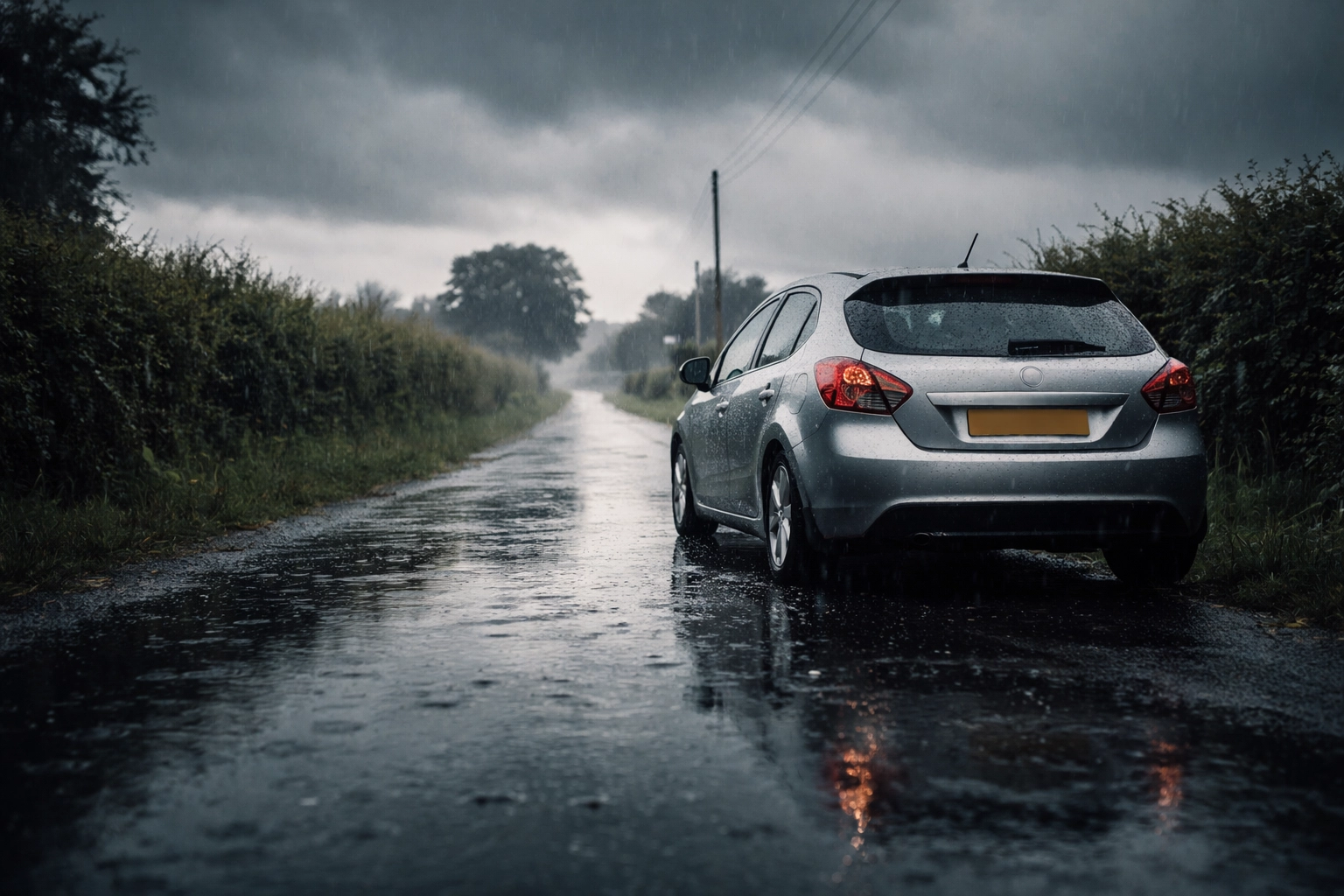
Consider this: rust is essentially an electrochemical reaction that requires three elements: iron (from your vehicle's steel components), oxygen, and water. Remove any one of these, and rust cannot form. In the UK, we have an abundance of all three, virtually year-round.
The humidity levels in Britain mean that even on days without rainfall, moisture in the air can condense on metal surfaces, particularly overnight when temperatures drop. This creates a cycle where your vehicle's undercarriage is almost never truly dry.
Road Salt: The Chemical Accelerator
If moisture alone were the problem, British vehicles might fare reasonably well. Unfortunately, we add another highly corrosive element into the mix: road salt.
Each winter, local councils spread millions of tonnes of salt mixed with sand (commonly called grit) across UK road networks to prevent ice formation. While this practice undoubtedly saves lives by improving road safety, it comes at a significant cost to vehicles.
Here's the science: ordinary water can cause rust, but saltwater accelerates the process dramatically. Salt enables electrons to move more freely through water, which speeds up the electrochemical reaction that causes corrosion. In simple terms, salt acts as a catalyst: it doesn't cause rust directly, but it makes the rusting process happen faster and more aggressively.
When you drive on gritted roads, this salt-laden slush is thrown up by your tyres and coats your vehicle's undercarriage, wheel arches, and lower body panels. The mixture of salt, water, sand, and road debris creates an abrasive, corrosive coating that can remain trapped in hidden areas of your vehicle for months.

The problem compounds over time. Each winter adds another layer of salt exposure, and without proper cleaning and protection, the cumulative damage can be substantial. Many vehicle owners are surprised to discover significant chassis corrosion after just a few years of UK driving: particularly if their vehicle hasn't received adequate underbody protection.
Coastal Proximity: Salt in the Air
Here's a fact that surprises many people: no location in the UK is more than 70 miles from the coastline. This geographical reality means that virtually every vehicle in Britain is exposed to some degree of airborne salt from the sea.
Coastal areas experience particularly aggressive corrosion rates due to salt spray carried inland by prevailing winds. If you live within a few miles of the coast, your vehicle is essentially bathing in a fine mist of saltwater whenever the wind blows from the sea: even on dry days.
This coastal salt exposure works in the same way as road salt, accelerating the electrochemical process that causes rust. Vehicles in seaside towns and coastal cities often show signs of corrosion years earlier than their inland counterparts, particularly on exposed surfaces and in areas where salt spray can accumulate.
Air Pollution: The Unexpected Contributor
While most people understand that moisture and salt cause rust, fewer realise that air pollution plays a significant role in corrosion rates. Research has shown that industrial city centres can actually experience faster rust formation than purely coastal areas.
Airborne pollutants: particularly sulfur dioxide from industrial processes and vehicle emissions: are among the strongest contributors to metal corrosion. When these pollutants combine with moisture in the air, they can form weak acids that attack metal surfaces.
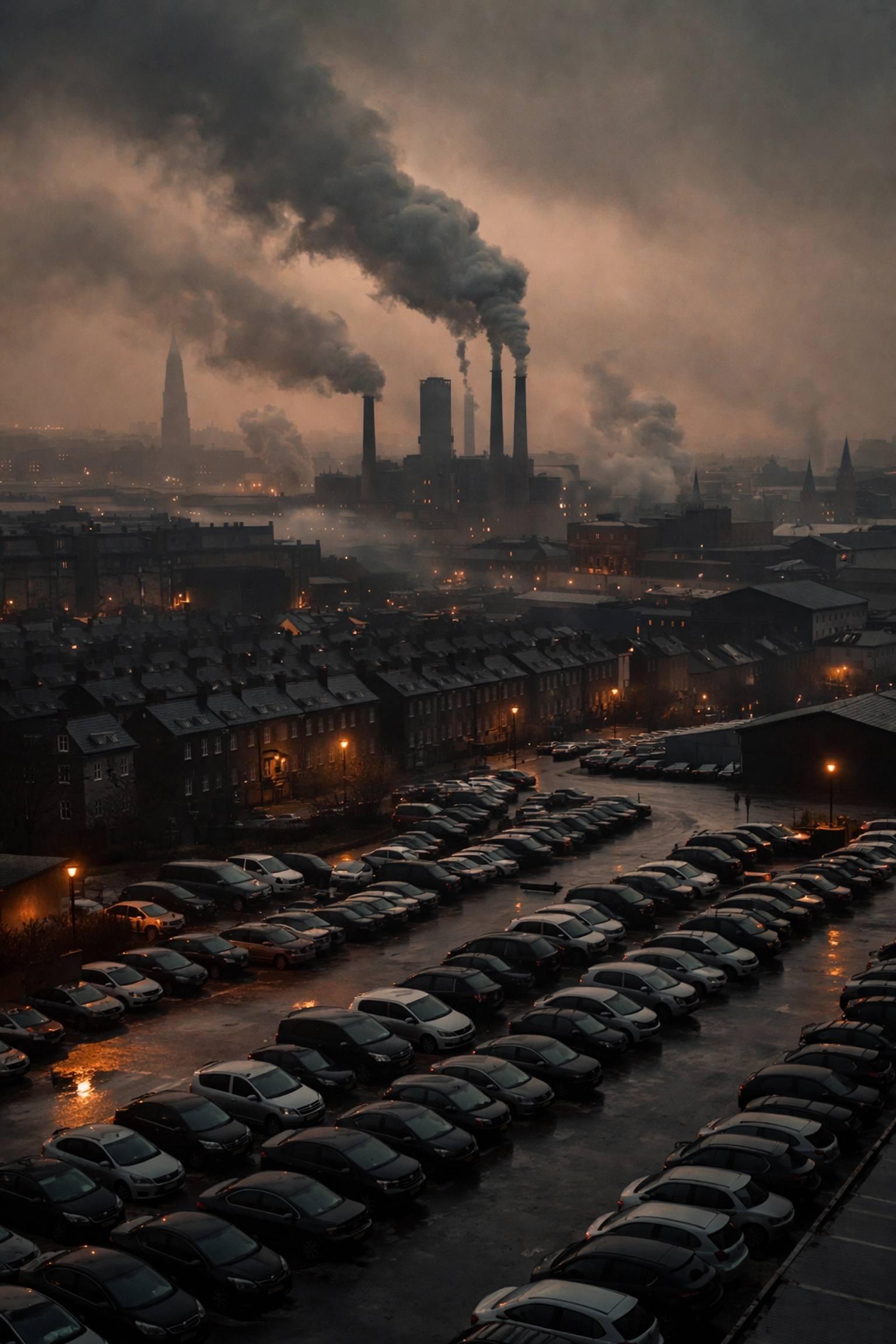
A fascinating example comes from Scotland: Aberdeen has a corrosion rate of 2.5 picometres per year: twice that of the coastal city of Dundee. Why? Aberdeen combines both air pollution from its oil-based economy and salty moisture from the North Sea, creating a particularly aggressive environment for vehicles.
This means that if you live in or frequently drive through major urban and industrial areas, your vehicle faces corrosion pressures from multiple directions simultaneously.
How the UK Compares to Other Regions
To understand why UK vehicles rust faster, it helps to compare our conditions with other countries:
Mediterranean climates (Spain, Italy, Greece): Extended dry summers allow vehicles to thoroughly dry out, significantly reducing rust formation
Desert climates (parts of the USA, Middle East): Extremely low humidity means the essential moisture component for rust is largely absent
Cold, dry climates (parts of Canada, Scandinavia): While these regions use road salt, the cold, dry air reduces moisture exposure
Tropical climates: High humidity but often less road salt and pollutant exposure
The UK combines the worst elements: high rainfall, persistent humidity, heavy road salt usage, coastal proximity, and industrial pollution. This combination creates one of the most corrosion-prone environments for vehicles anywhere in the world.
Vulnerable Areas on Your Vehicle
Understanding where rust typically forms first can help you stay vigilant. The most vulnerable areas include:
Wheel arches and inner wings – Direct exposure to road spray
Sills and rocker panels – Trap moisture and debris
Chassis rails and subframes – Hidden from view but constantly exposed
Door bottoms and tailgates – Drain holes can become blocked
Suspension components – Unprotected metal in direct contact with road spray
Brake lines and fuel lines – Critical safety components often overlooked
Regular inspection of these areas is essential for catching corrosion early, before it becomes structural.
Protecting Your Vehicle from UK Conditions
Given the hostile environment British vehicles face, proactive protection is far more effective than reactive repairs. Once rust takes hold, it spreads relentlessly: often in areas you cannot see until significant damage has occurred.
Professional rustproofing treatments create a barrier between your vehicle's metal components and the corrosive elements they face daily. High-quality products such as Dinitrol provide comprehensive protection for both exposed surfaces and hidden cavities where moisture and salt love to accumulate.
The best time to protect your vehicle is before rust begins. However, even vehicles with existing surface corrosion can benefit significantly from professional treatment, which can halt the spread and prevent further deterioration.
At Rustec, we provide comprehensive underbody treatments using the highest-quality products available. Our meticulous process includes thorough inspection, professional cleaning, and application of proven protective coatings to keep your vehicle rust-free throughout its life.
Take Action Before It's Too Late
The UK's unique combination of moisture, road salt, coastal proximity, and air pollution creates an environment where vehicles can deteriorate rapidly without proper protection. Understanding these factors is the first step: taking action is the next.
Whether you drive a brand-new vehicle or a cherished older car, professional rustproofing offers the peace of mind that comes from knowing your investment is protected against Britain's harsh conditions.
Don't wait until rust becomes visible: by then, significant hidden damage may already have occurred. Contact us today to discuss how we can help protect your vehicle for the long term.