
The Truth About Underbody Protection: Quality vs. Appearance
The truth about underbody protection is that a shiny black finish often hides the most dangerous automotive secrets. While a vehicle might look "protected" immediately after a quick underseal application, the quality of the process, not the appearance of the product, determines whether the chassis is being saved or slowly destroyed. In the UK, professional rustproofing is a meticulous multi-day technical procedure, not a one-hour "spray-and-go" service.
Quality of Process vs. Visual Appearance
When most vehicle owners think of rustproofing, they picture a black coating covering the underside of their car. This focus on the "top coat" is a fundamental misunderstanding of corrosion control. High-quality underbody protection is 90% preparation and 10% application.
At Rustec, we see the results of appearance-led jobs every week. Vehicles arrive with "gloopy" messes of thick bitumen or cheap underseal that have been sprayed directly over dirt, grease, and active corrosion. To the untrained eye, the car looks new. Beneath that layer, however, the metal is often rotting faster than it would have without any treatment at all.
A poor rustproofing job can be worse than doing nothing, as it traps moisture and accelerates corrosion.
When a coating is applied without clinical preparation, it creates a pocket between the metal and the sealant. This pocket traps condensation and road salt, creating an airtight, humid environment where oxidation thrives unseen. By the time the coating begins to flake off, the structural integrity of the chassis is often already compromised.
The Visual Mental Model: The Surgeon’s Preparation
Proper rustproofing is like surgery: the outcome isn't decided by the final stitch, but by the sterile preparation and the precision of the work hidden inside. You wouldn't trust a surgeon who didn't wash their hands or prepare the site; similarly, you shouldn't trust a rustproofer who doesn't spend days cleaning and drying your vehicle before the first drop of Dinitrol® touches the metal.
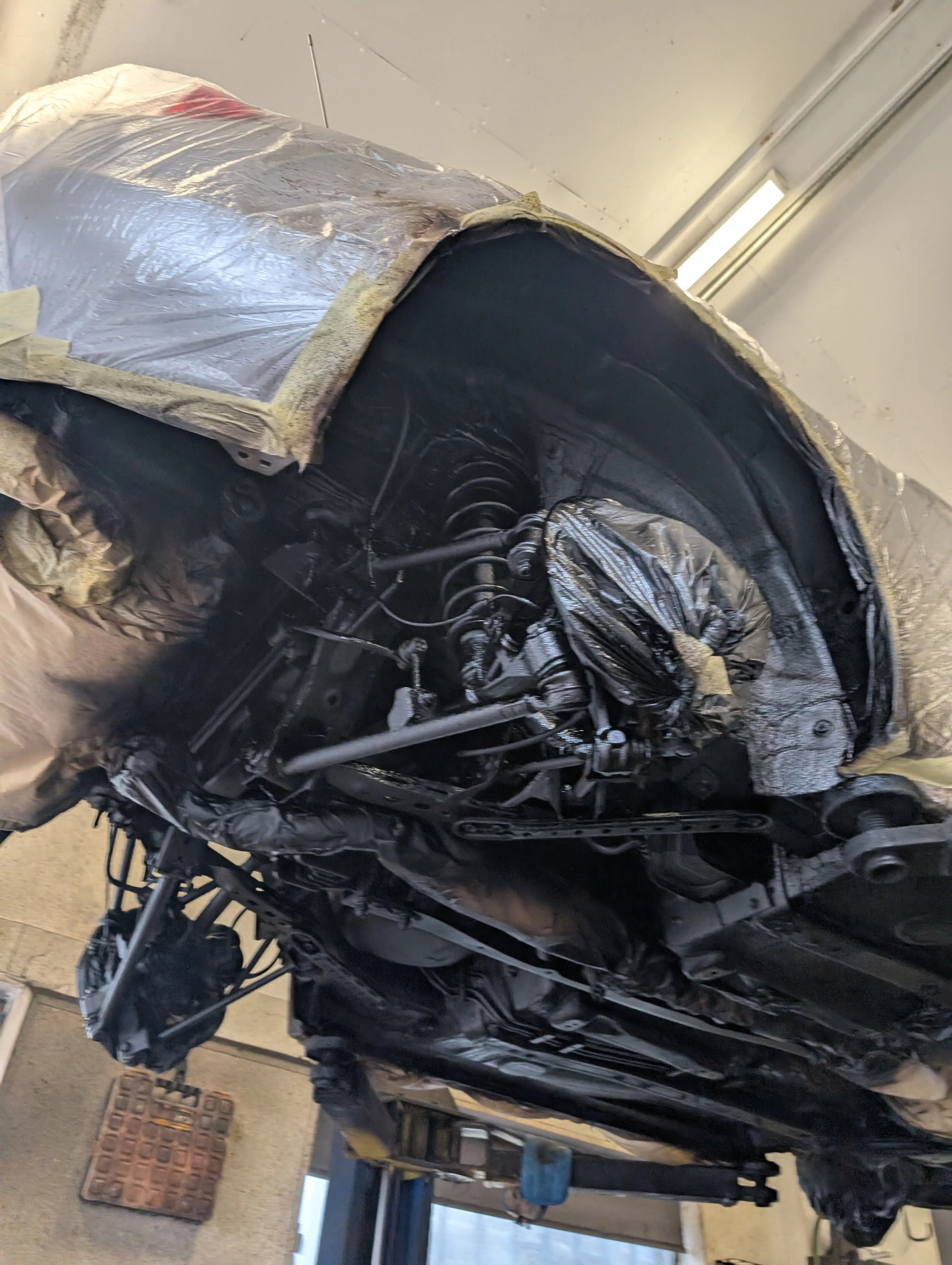
The "Iceberg Model" of Hidden Rust
To understand the difference between quality and appearance, you must understand the "Iceberg Model" of vehicle corrosion. The rust you see on the surface of a wishbone or a subframe is only the tip. The real danger, the structural failure, usually starts from the inside out.
Modern vehicle chassis are designed with box sections, sills, and pillars. These hollow cavities are the perfect breeding ground for rust because they trap humidity and road salt but are never washed during a standard valet. A quality rustproofing service prioritises these internal cavities using specialised injection wands and high-penetration waxes like Dinitrol ML. An appearance-led service simply sprays the parts you can see, leaving the internal "iceberg" to grow until the vehicle fails its MOT.
The Rustec Elite Standard: A 72-Hour Process
At Rustec, we do not offer "quick" services. We follow the Rustec Elite Standard, a rigorous 72-hour process designed to ensure that the protection we apply is a permanent barrier, not a temporary mask.
Comprehensive Inspection & Strip Down: We remove all undertrays, wheel arch liners, and heat shields. You cannot protect what you cannot see.
Thorough Undercarriage Steam Clean: Using high-temperature, high-pressure equipment to remove every trace of UK road salt, grease, and mud.
Extended Drying Phase: The vehicle is placed in a temperature-controlled environment with industrial dehumidifiers. Applying sealants to damp metal is a recipe for failure.
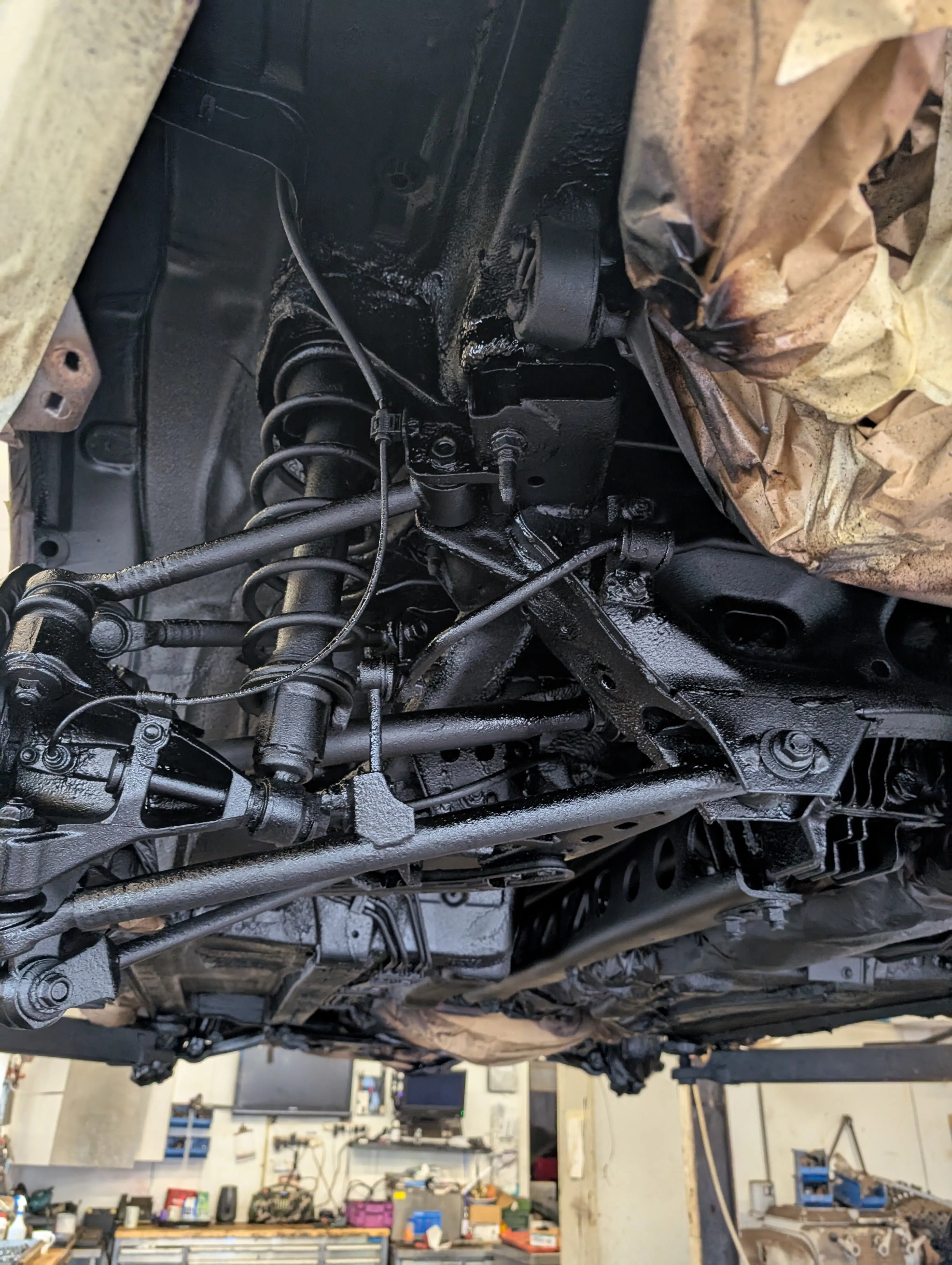
Meticulous Masking: We mask all sensitive components, brakes, exhaust systems, sensors, and moving parts, to ensure a clinical finish with zero overspray.
Cavity Wax Injection: We treat the internal chassis rails, sills, and pillars with high-creep waxes that displace any remaining microscopic moisture.
Underbody Coating: A precise application of premium Dinitrol® 4941 to provide a durable, "self-healing" barrier against physical abrasion and salt.
Reassembly & Documentation: All liners are refitted, and we provide photo documentation of the work performed.
Why "Cheap" is the Most Expensive Option
The financial logic of choosing quality over a quick "underseal" is clear when you look at the long-term costs of vehicle ownership in the UK.
Professional Prevention: A one-time investment in the Rustec Elite Standard.
The Cost of Failure: Structural welding on a chassis can easily cost between £1,000 and £3,000, often requiring the removal of fuel tanks or interior trim.
Resale Impact: A vehicle with a documented, professional rustproofing history typically maintains a resale value £2,000 to £5,000 higher than a corroded equivalent, especially in the 4x4, classic, or campervan markets.
In UK conditions, corrosion is not a question of if , but when. The salt used on our roads is highly hygroscopic, meaning it draws moisture out of the air even when the roads are dry. Early action is the lowest cost; delaying treatment until the rust is visible increases the complexity and cost of the process exponentially.
Professional Rustproofing vs. Quick "Underseal"
Feature | "Quick" Quick-Fit Job | Rustec Elite Standard |
Duration | 2–4 Hours | 72 Hours |
Preparation | Light pressure wash | Deep steam clean + 24h drying |
Component Removal | None | Full removal of liners/shields |
Cavity Protection | Rarely included | Full internal injection |
Masking | Minimal (overspray risk) | Clinical masking of all sensors/brakes |
Longevity | 6–12 Months | Multi-year durability |
Moisture Risk | High (Traps moisture) | Zero (Drying phase mandatory) |
The Role of Clinical Preparation
One of the most visible differences in a Rustec treatment is the masking. A professional job looks like a factory finish because we take the time to protect everything that shouldn't be coated.

When you see a vehicle where the exhaust, brake lines, and electrical connectors are covered in black goop, you are looking at a low-quality application. Not only does this look unprofessional, but it can also cause mechanical issues, such as seized bolts or overheating components. Meticulous masking ensures that your vehicle remains as easy to service for your mechanic as it was the day it left the factory.
Maintaining Your Investment
Once a high-quality barrier is established, the maintenance is simple but vital. We recommend a complimentary top-up service and annual inspections to ensure the coating remains intact. Because we use premium, flexible products like Dinitrol®, the coating won't crack or chip like the hard bitumastic products of the past. It remains "live," able to heal small stone chips and maintain its protective seal year after year.
If you have a new vehicle, do not assume factory protection is sufficient. Most manufacturers apply the bare minimum to survive the warranty period. To keep your pride and joy rust-free throughout its life, a professional application is the only reliable solution. You can read more about why new cars need rustproofing here.
Frequently Asked Questions
Does a thick coating mean better protection? No. In fact, excessively thick, "gloopy" coatings are often used to hide poor preparation. A thin, even, and consistent layer of a high-quality product is far more effective and less likely to trap moisture.
Can I just spray my car myself? While DIY kits exist, they cannot replicate the industrial cleaning, 24-hour drying, and high-pressure cavity injection equipment used in a professional workshop. Without a lift and the correct safety gear, achieving a comprehensive seal is nearly impossible. You can compare professional vs. DIY methods here.
Will rustproofing affect my manufacturer's warranty? Generally, professional rustproofing using approved materials like Dinitrol® does not void warranties. It actually supports the long-term structural health of the vehicle. However, we always recommend checking your specific terms.
How often does it need to be redone? A Rustec Elite Standard treatment is designed for long-term durability. We typically suggest an inspection every 12-24 months, but the core protection will last many years with basic care. Check our guide on how long rustproofing lasts.
Final Takeaway: Process Over Product
When choosing a rustproofing specialist, don't ask what product they use; ask about their process. Ask how long they keep the vehicle, how they dry the chassis, and whether they remove the wheel arch liners. If the answer is "one day," the service is an appearance-led job that risks trapping moisture and accelerating the very problem you are trying to solve.
True underbody protection is a technical investment in your vehicle’s future. It requires patience, precision, and a commitment to quality that goes far beyond a coat of black paint.
If you want to protect your vehicle properly : not just cover it up : the best time to act is before corrosion progresses. You can book a free inspection or request a quote here.

Comments