
Is underseal the same as rustproofing?
- Lloyd Saunders
- Nov 22, 2025
- 5 min read
No, underseal and rustproofing are not the same thing. While both treatments work to prevent corrosion and extend your vehicle's lifespan, they target different areas of your car and use distinct application methods. Understanding these differences is crucial for making informed decisions about protecting your vehicle from the UK's harsh driving conditions.
What Is Undersealing?
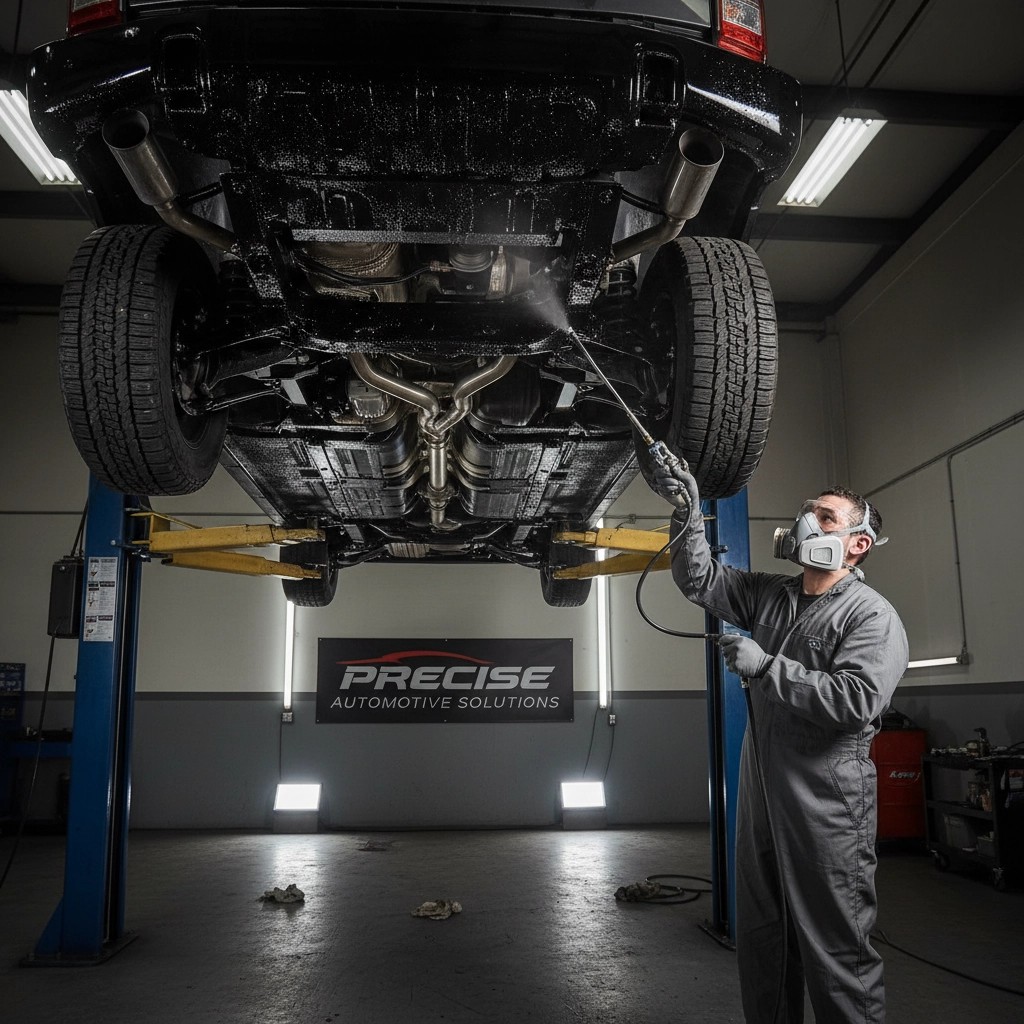
Undersealing, also known as undercoating, involves applying a protective coating to the entire underside of your vehicle. This comprehensive treatment creates a robust barrier across your vehicle's undercarriage, including the chassis, floorboards, wheel wells, and frame components.
The process typically uses tar-based, rubber-based, or wax-based compounds that are sprayed directly onto the visible surfaces beneath your car. These materials form a thick, durable layer that acts as a physical shield against road debris, stones, salt, and moisture that would otherwise come into direct contact with your vehicle's metal components.
Modern undersealing treatments have evolved significantly from the basic bitumen-based products of decades past. Today's premium undersealing solutions offer superior adhesion, flexibility, and longevity, ensuring your vehicle's undercarriage remains protected even under extreme driving conditions.
What Is Rustproofing?
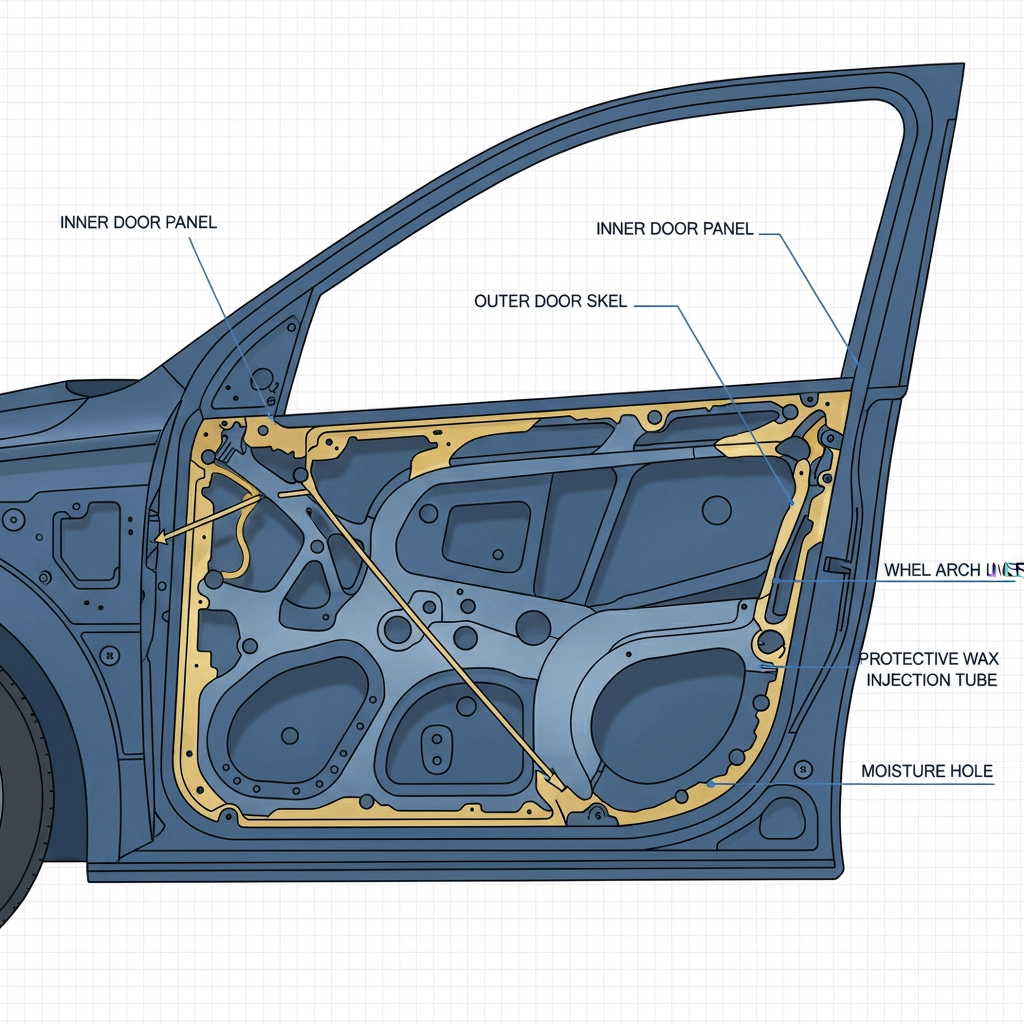
Rustproofing takes a fundamentally different approach by focusing on specific areas throughout your vehicle where rust is most likely to develop. Rather than providing blanket coverage, rustproofing targets the hard-to-reach internal spaces and cavities that are often inaccessible during regular maintenance and cleaning.
This treatment involves injecting thin, penetrating oils and waxes into door frames, sills, wheel arches, tailgates, bonnets, and other cavity areas through existing drainage holes or specially drilled access points. The rustproofing materials are designed to displace existing moisture while providing long-term protection against future water ingress.
Professional rustproofing uses specialized equipment to ensure these protective compounds reach every internal space where moisture can accumulate. This method is particularly effective because rust typically starts from the inside out, beginning in hidden areas where water can sit unnoticed for extended periods.
Key Differences Between Undersealing and Rustproofing
Coverage Areas
The most significant difference lies in where each treatment is applied. Undersealing provides external protection for visible undercarriage components, creating a comprehensive barrier across the entire underside of your vehicle. This approach is highly effective against external threats like road salt, stone chips, and environmental moisture.
Rustproofing addresses internal protection for hidden cavities and structural elements where moisture can accumulate undetected. These areas are often the first places where serious rust develops, making targeted treatment essential for long-term vehicle preservation.
Application Methods
Undersealing uses spray application techniques to coat external surfaces with protective compounds. The process is relatively straightforward, involving thorough cleaning of the undercarriage followed by systematic spraying of the chosen protective material across all exposed surfaces.
Rustproofing requires more specialized techniques, using injection equipment to deliver protective compounds into internal cavities through access points that may not be immediately visible. This process demands greater technical expertise to ensure complete coverage of all critical areas.
Material Composition
Undersealing compounds are typically thicker and designed to adhere to external surfaces while withstanding direct impact from road debris. These materials often contain rubber or tar-based components that provide excellent impact resistance and durability.
Rustproofing materials are formulated to be thinner and more penetrating, allowing them to flow into tight spaces and displace moisture effectively. These compounds often contain specialized corrosion inhibitors that provide active protection against rust formation.
Timeline for Application
The optimal timing for each treatment also differs significantly. Undersealing is most effective when applied to vehicles that will face harsh driving conditions such as frequent exposure to road salt, off-road driving, coastal environments, or commercial use where the undercarriage faces constant stress.
Rustproofing becomes essential for vehicles three years or older, particularly those with known rust-prone designs, classic vehicles, or high-value vehicles where maintaining pristine condition is paramount. The treatment is also highly recommended for vehicles that show early signs of corrosion or those that haven't received proper cavity protection from the factory.
Which Treatment Does Your Vehicle Need?
For New Vehicle Owners
If you've recently purchased a new vehicle, understanding your specific needs is crucial. Modern vehicles often come with some level of factory rust protection, but this coverage may not be comprehensive enough for UK driving conditions, particularly if you frequently drive on salted roads or in coastal areas.
New vehicles typically benefit most from rustproofing because the internal cavities are still clean and accessible, allowing the protective compounds to provide maximum effectiveness. Undersealing can be added if your driving conditions are particularly harsh or if you want comprehensive protection from day one.
For Vehicles Showing Early Rust Signs
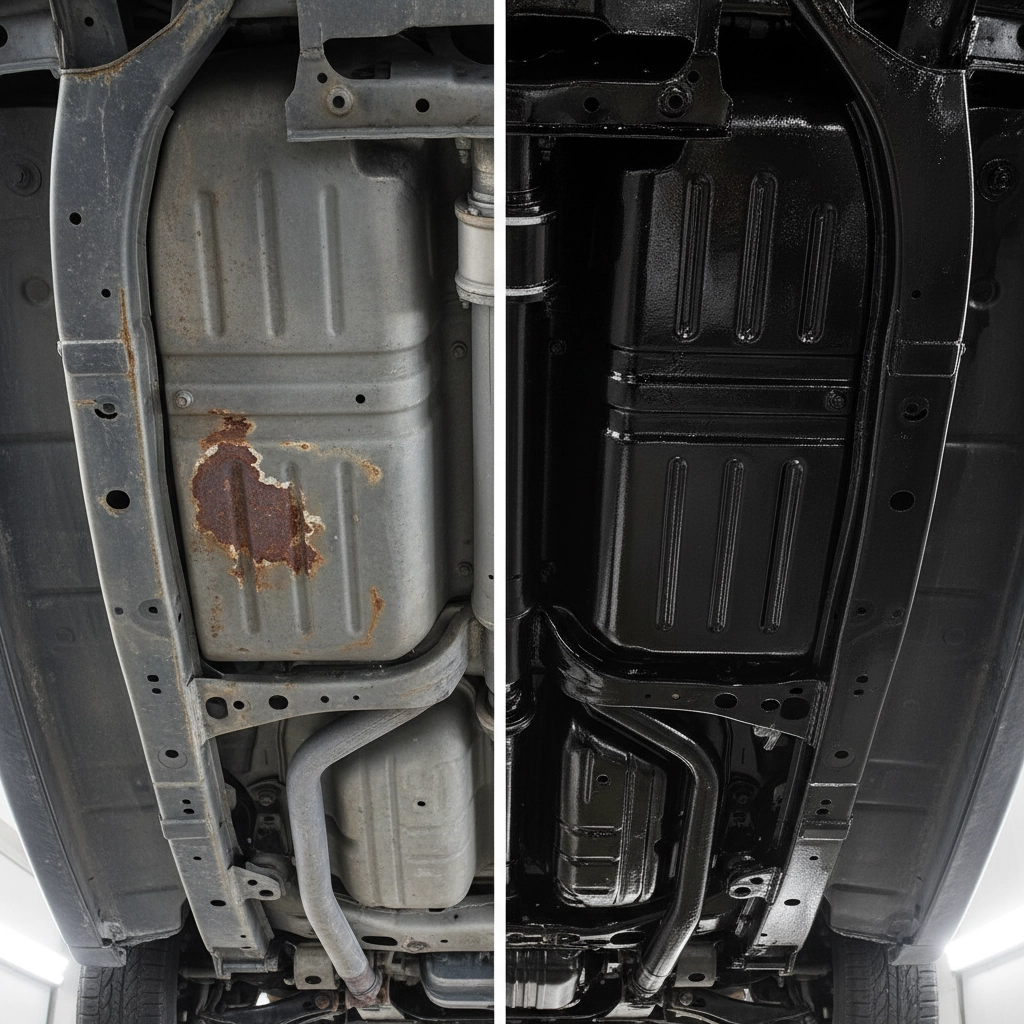
If your vehicle is beginning to show signs of corrosion, professional assessment is essential to determine the most appropriate treatment approach. Surface rust on external components may indicate that more serious internal corrosion is already developing in hidden areas.
In these cases, rustproofing becomes the priority treatment, as it can halt the progression of internal corrosion while providing ongoing protection. Undersealing may also be recommended if the external components show significant wear or damage.
For High-Mileage and Commercial Vehicles
Vehicles with higher mileage or those used for commercial purposes face accelerated wear from constant exposure to harsh conditions. These vehicles typically benefit from both treatments applied as part of a comprehensive protection program.
The combination approach addresses both external impact damage and internal moisture accumulation, providing the most complete protection available for vehicles that face daily challenges from UK road conditions.
The Professional Advantage
While some vehicle owners consider DIY approaches to rust prevention, professional application offers significant advantages in terms of coverage, material quality, and long-term effectiveness. Professional rustproofing and undersealing services have access to commercial-grade materials and specialized equipment that ensures complete coverage of all critical areas.
Professional technicians understand the specific vulnerabilities of different vehicle makes and models, allowing them to customize treatment approaches for maximum effectiveness. This expertise is particularly valuable for vehicles with complex undercarriage designs or those with known rust-prone areas that require special attention.
Additionally, professional services typically include comprehensive inspection and documentation of your vehicle's condition before and after treatment, providing valuable records for warranty purposes and future maintenance planning.
Comprehensive Protection Programs
Leading automotive protection specialists recognize that optimal rust prevention requires a combined approach that addresses both external and internal threats. Comprehensive protection programs typically include:
Thorough undercarriage inspection and cleaning
Complete rustproofing of all internal cavities
Strategic undersealing of high-impact areas
Documentation and warranty coverage
Ongoing maintenance recommendations
This comprehensive approach ensures that your vehicle receives protection against corrosion from multiple angles, significantly extending its lifespan and maintaining its value over time.
Making the Right Choice for Your Vehicle
Understanding the differences between undersealing and rustproofing empowers you to make informed decisions about your vehicle's protection needs. Rather than viewing these treatments as competing options, consider them as complementary approaches that work together to provide comprehensive rust prevention.
The most effective rust prevention strategy combines both treatments, applied by experienced professionals who understand the specific requirements of your vehicle and driving conditions. This investment in comprehensive protection pays dividends through extended vehicle life, maintained performance, and preserved resale value.
For expert guidance on the most appropriate rust prevention strategy for your specific vehicle and driving conditions, professional consultation ensures you receive the most effective protection available. Quality rustproofing and undersealing services provide the expertise, materials, and equipment necessary to keep your vehicle rust-free for years to come.
Comments