
Is rustproofing legal on classic cars?
- Lloyd Saunders
- Nov 25, 2025
- 5 min read
The short answer is yes – rustproofing is completely legal on classic cars in the UK. There are no laws, regulations, or restrictions that prohibit the application of rust protection treatments to vintage or classic vehicles. However, this straightforward question often stems from deeper concerns about modifications, insurance implications, and maintaining authenticity, which deserve thorough examination.
Why Classic Car Owners Question Rustproofing Legality
Many classic car enthusiasts worry about rustproofing legality due to several misconceptions. Some believe that any modification to an original vehicle might violate preservation standards or affect legal classification. Others worry that modern rust protection products could interfere with heritage vehicle status or insurance coverage.
These concerns often arise from confusion between cosmetic modifications and protective treatments. Rustproofing falls firmly into the maintenance category, designed to preserve the vehicle's structure rather than alter its appearance or performance characteristics.
Understanding Classic Car Regulations in the UK
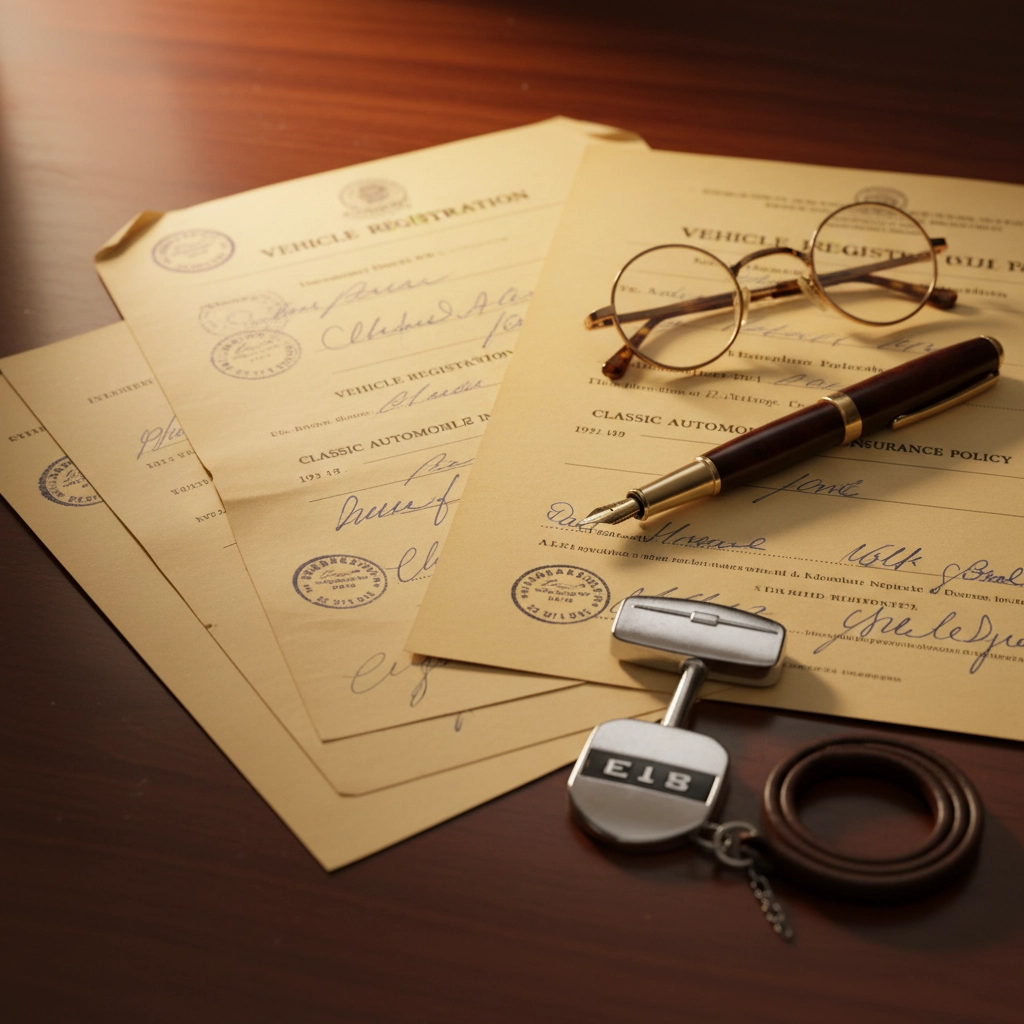
Classic cars in the UK are subject to specific regulations, but these focus primarily on safety, emissions, and roadworthiness rather than preservation methods. The Driver and Vehicle Licensing Agency (DVLA) defines vehicles manufactured or first registered more than 40 years ago as having "historic" status, qualifying them for various exemptions.
These regulations concern road tax exemptions, MOT testing requirements, and emission standards. None specifically address rust protection methods or prohibit the use of modern preservation techniques. The legislation recognises that maintaining these vehicles in roadworthy condition often requires contemporary solutions to combat deterioration.
Insurance Considerations for Rustproofed Classic Cars
Specialist classic car insurance policies typically encourage proper maintenance, including rust prevention. Most insurers view rustproofing as responsible ownership that protects their investment. However, specific policy terms vary significantly between providers.
Before undertaking any rustproofing treatment, contact your insurance provider to discuss coverage implications. Most policies require notification of significant modifications but classify rust protection as maintenance rather than modification. Documentation of professional treatment often supports insurance claims related to corrosion damage.
Some insurers offer premium discounts for vehicles receiving professional rust protection, recognising the reduced risk of structural deterioration. This approach reflects the industry's understanding that proper maintenance preserves vehicle value and reduces claim likelihood.
MOT Exemptions and Rustproofing
Classic cars manufactured before 1960 are exempt from MOT testing, while vehicles between 1960 and 1983 may qualify for exemption if unmodified and maintained to roadworthy standards. Rustproofing does not affect these exemptions, as it preserves rather than modifies the original structure.
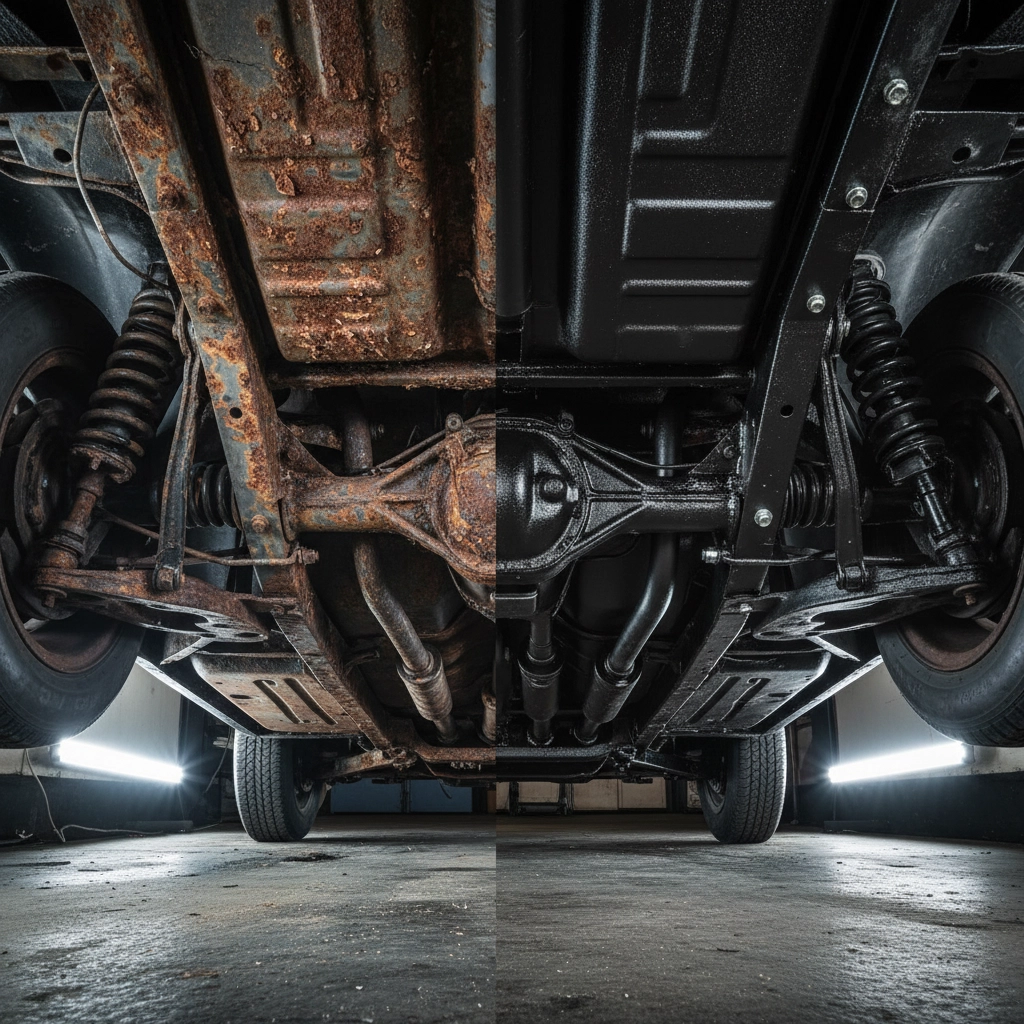
For classics still requiring MOT testing, proper rust protection significantly improves pass rates. Structural rust represents one of the most common MOT failure points, making preventive treatment both legal and advisable. Professional rustproofing helps maintain the structural integrity that MOT inspections assess.
Testing stations cannot fail vehicles for having rust protection applied, provided the treatment doesn't obscure critical inspection points. Quality rustproofing services ensure accessibility to suspension mounting points, brake components, and other areas requiring visual examination during MOT testing.
Professional Rustproofing: Best Practices for Classic Cars
Professional rustproofing services understand the unique requirements of classic vehicles. Unlike modern cars with extensive factory protection, vintage vehicles often rely on basic undersealing that deteriorates over decades. Contemporary rust protection products offer superior performance while maintaining compatibility with original materials.
Quality treatments begin with comprehensive inspection and documentation. Professional technicians photograph existing conditions, identify problem areas, and recommend appropriate products for specific vehicle requirements. This documentation proves valuable for insurance purposes and future maintenance planning.
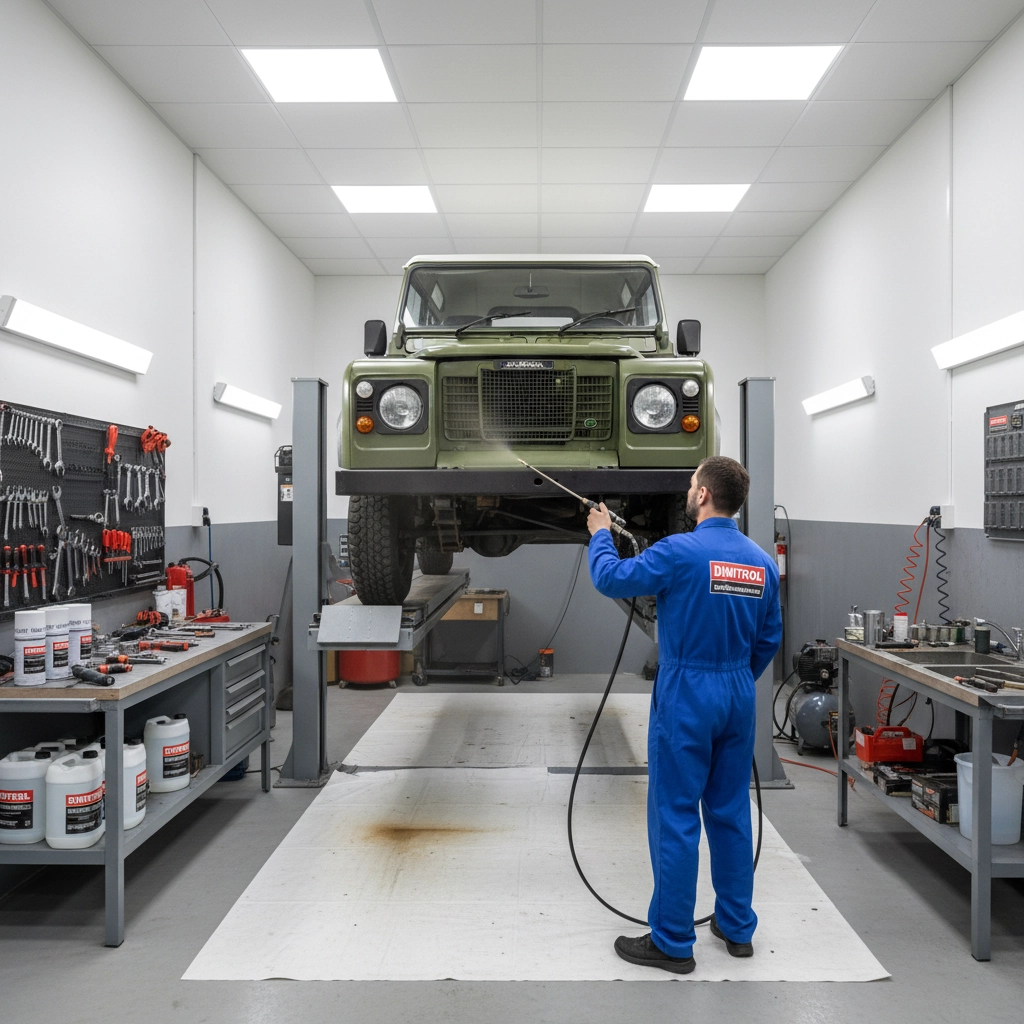
The application process requires careful preparation, including thorough cleaning and degreasing of surfaces. Professional services use appropriate masking techniques to protect sensitive components while ensuring complete coverage of vulnerable areas. Premium products like Dinitrol offer long-term protection without compromising original materials.
Cavity Protection and Hidden Areas
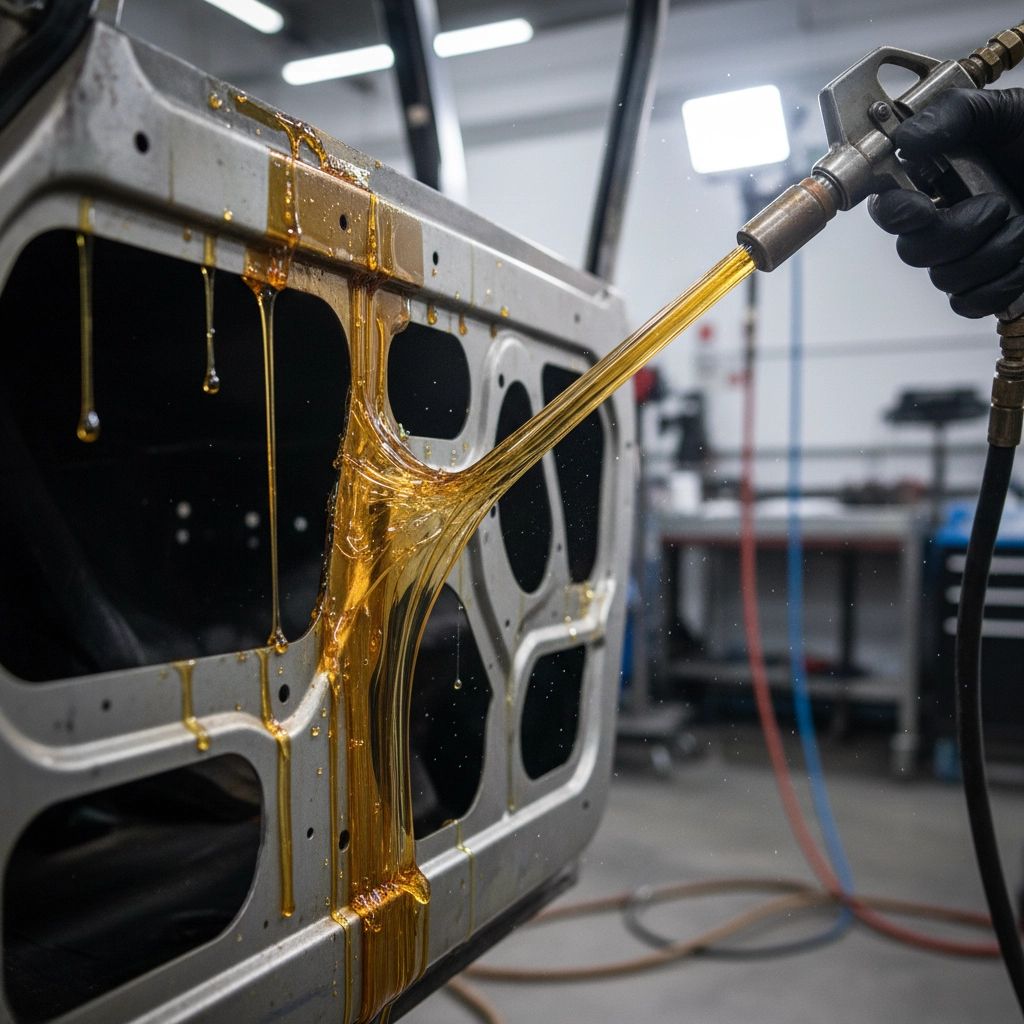
Classic cars often feature complex cavity structures that accumulate moisture and debris over time. Professional cavity wax injection addresses these hidden areas where rust typically begins undetected. This treatment preserves structural integrity without altering visible surfaces.
Modern cavity protection products penetrate existing corrosion while preventing future deterioration. The injection process requires specific equipment and expertise to ensure complete coverage without overpressure that might damage delicate panels or seals.
Cavity protection represents one of the most effective preservation methods for classic vehicles, addressing rust formation in areas inaccessible through conventional treatments. This comprehensive approach maintains structural soundness while preserving aesthetic authenticity.
Documentation and Professional Standards
Professional rustproofing services provide comprehensive documentation of treatments applied, products used, and coverage achieved. This documentation supports insurance claims, aids future maintenance planning, and demonstrates responsible ownership to potential purchasers.
Quality service providers maintain detailed records of application techniques, cure times, and recommended maintenance intervals. This information proves invaluable for ongoing preservation and helps optimise treatment effectiveness over time.
Professional standards ensure compatibility between rust protection products and classic car materials. Experienced technicians understand potential interactions between modern treatments and vintage paints, rubbers, and sealants, preventing adverse reactions that might compromise vehicle condition.
When to Seek Professional Guidance
While rustproofing remains completely legal, specific circumstances may warrant professional consultation. Vehicles with significant historical importance might benefit from specialist advice regarding appropriate preservation methods. Racing vehicles or those used in competition may require specific treatments that comply with sporting regulations.
Consulting with classic car specialists ensures optimal treatment selection for individual requirements. These professionals understand the balance between effective protection and maintaining authenticity that classic car ownership demands.
Insurance companies, heritage organisations, and classic car clubs often provide guidance on acceptable preservation methods. Their recommendations typically support professional rustproofing as responsible maintenance rather than inappropriate modification.
Investment Protection Through Proper Maintenance
Classic car values continue appreciating, making proper preservation economically important. Professional rustproofing represents investment protection that maintains vehicle condition while preserving future value potential. This approach aligns with both legal requirements and sound financial planning.
Structural deterioration significantly impacts classic car values, often requiring expensive restoration work that exceeds prevention costs. Quality rust protection delays or prevents this deterioration, maintaining both roadworthiness and market value over extended periods.
The legal framework surrounding classic cars recognises this preservation imperative, encouraging rather than restricting appropriate maintenance activities. Rustproofing fits firmly within these maintenance parameters, providing essential protection without legal complications.
Making Informed Decisions
Rustproofing classic cars is not only legal but actively encouraged by insurance companies, heritage organisations, and automotive professionals. The treatment preserves structural integrity, maintains safety standards, and protects financial investment without violating any regulations or restrictions.
Professional rustproofing services understand classic car requirements and apply appropriate treatments that complement rather than compromise original vehicle characteristics. This expertise ensures legal compliance while delivering effective long-term protection.
For classic car owners seeking comprehensive rust protection, professional consultation provides the expertise necessary to make informed decisions. Quality treatments preserve automotive heritage while maintaining legal roadworthiness for years to come.
Contact Rustec today to discuss professional rustproofing solutions specifically designed for classic vehicles, ensuring your automotive investment receives the protection it deserves within full legal compliance.
Comments