
Is rust covered under car warranty?
- Lloyd Saunders
- Dec 19, 2025
- 5 min read
When purchasing a new vehicle, understanding your warranty coverage is crucial, particularly when it comes to rust protection. The simple answer is yes, rust is covered under car warranties, but the extent and duration of coverage varies significantly depending on your manufacturer, the type of rust damage, and how well you've maintained your vehicle.
Most automotive warranties include some form of corrosion protection, but navigating the specific terms and limitations can be complex. Understanding what's covered, what isn't, and how long your protection lasts will help you make informed decisions about additional rust prevention measures.
Understanding Types of Rust Coverage
Car manufacturers typically offer two distinct types of rust warranty coverage, each with different terms and limitations.
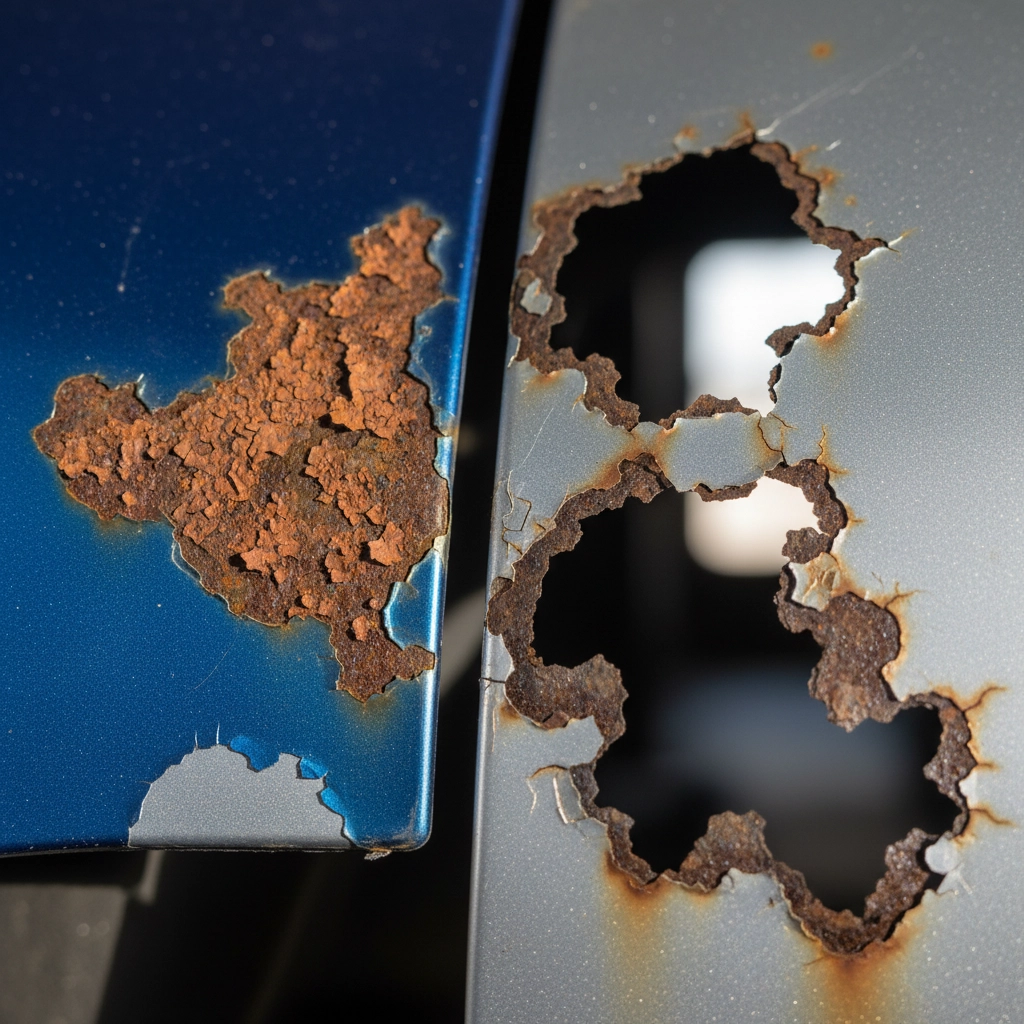
Rust perforation coverage is the more basic form of protection, covering rust that has completely penetrated through the metal and created actual holes in your vehicle's sheet metal panels. This coverage focuses on structural integrity issues where corrosion has compromised the metal completely.
Surface corrosion coverage provides more comprehensive protection, covering damage to the chassis and bodywork resulting from paint scratches, stone chips, or road salt exposure. This broader coverage typically includes rust that hasn't yet created holes but has damaged the protective coatings and begun corroding the underlying metal.
Surface corrosion coverage generally offers superior protection, lasting up to 12 years with unlimited mileage from premium manufacturers. However, more basic policies may only provide five years or 100,000 miles of coverage, making it essential to understand your specific warranty terms.
What's Typically Covered Under Rust Warranties
Rust warranties generally cover structural corrosion that affects the safety and integrity of your vehicle. This includes perforation of body panels, floor pans, and structural components that could compromise the vehicle's roadworthiness or safety systems.
Coverage typically extends to factory paint defects that lead to premature rusting, manufacturing defects in protective coatings, and corrosion that occurs despite normal maintenance and care. Many warranties also cover the replacement or repair of affected panels when rust damage meets the policy criteria.
The most comprehensive warranties include coverage for cosmetic rust issues on visible body panels, though this varies significantly between manufacturers. Some premium brands offer protection against surface corrosion that affects the vehicle's appearance, even when structural integrity isn't compromised.
Common Exclusions and Limitations
Despite warranty coverage, numerous exclusions can void your rust protection. Surface rust that doesn't create holes: such as minor oxidation from normal wear, scratches, or road salt exposure: is frequently excluded from standard coverage.
Environmental damage represents a major exclusion area. Rust caused by road salt, corrosive chemicals, flooding, or coastal exposure is often not covered, particularly if proper maintenance wasn't performed. Many warranties require evidence of regular washing and care to maintain coverage validity.
Extended auto warranties typically exclude corrosion entirely, focusing instead on mechanical and electrical components. This limitation makes manufacturer warranties crucial for rust protection, as aftermarket coverage rarely includes corrosion-related claims.
Physical damage that leads to rust: such as accident damage, stone chips, or scratches that aren't promptly repaired: usually voids warranty coverage for subsequent corrosion in those areas.
Manufacturer Coverage Variations
Coverage duration and scope vary dramatically between automotive brands, reflecting different approaches to corrosion protection and quality confidence.
Tesla and Volkswagen currently offer the most comprehensive coverage at 12 years, demonstrating significant confidence in their anti-corrosion measures. This extended coverage reflects modern manufacturing techniques and improved protective coatings.
Hyundai and Mitsubishi provide robust 7-year rust-through protection, positioning themselves competitively in the mid-range market segment. This coverage duration represents good value for buyers concerned about long-term corrosion protection.
Chrysler, Honda, and Nissan offer 5-year coverage periods, which align with industry standards for comprehensive rust protection. These timeframes typically cover the period when manufacturing defects would become apparent.
Ford's coverage structure is more complex, offering 5 years with unlimited mileage for perforation but only 3 years or 36,000 miles for non-perforated sheet metal corrosion. This tiered approach reflects different confidence levels for various types of rust damage.
General Motors provides 3 years or 36,000 miles for basic corrosion coverage and extends to 6 years or 100,000 miles specifically for rust-through protection, creating clear distinctions between surface and structural issues.

Factors That Affect Coverage Validity
Maintaining your rust warranty requires adherence to specific maintenance requirements and usage conditions. Regular washing is typically mandatory, particularly during winter months when road salt exposure is highest. Many warranties specify minimum washing frequencies and require documented maintenance records.
Prompt repair of damage is essential for maintaining coverage. Stone chips, scratches, or accident damage must be addressed quickly to prevent voiding warranty coverage for subsequent rust in affected areas. Delaying repairs often provides manufacturers with grounds to deny claims.
Environmental considerations significantly impact coverage validity. Vehicles regularly exposed to coastal salt air, industrial chemicals, or flood conditions may face coverage limitations. Understanding your warranty's environmental exclusions helps determine whether additional protection measures are necessary.
Storage conditions also matter. Vehicles stored in damp, poorly ventilated conditions or exposed to standing water may experience accelerated corrosion that falls outside warranty coverage.
Maximising Your Warranty Protection
To ensure your rust warranty remains valid and provides maximum benefit, implement a comprehensive maintenance strategy that exceeds manufacturer requirements.
Regular washing schedules should include thorough undercarriage cleaning, particularly during winter months. Monthly undercarriage washes help remove salt and debris that accelerate corrosion processes.
Prompt damage repair is crucial for maintaining warranty coverage. Address stone chips, scratches, and paint damage immediately to prevent corrosion from starting in vulnerable areas.
Documentation of all maintenance activities provides essential evidence for warranty claims. Keep detailed records of washing, inspections, and repairs to demonstrate compliance with warranty requirements.
Annual inspections help identify potential issues before they become warranty-voiding problems. Professional inspections can catch early corrosion signs and provide documentation for maintenance records.
When Additional Protection Makes Sense
While manufacturer warranties provide valuable coverage, they often have limitations that make additional rust protection worthwhile. Understanding when supplementary measures become necessary helps protect your investment beyond warranty periods.
High-exposure environments such as coastal areas, regions with heavy road salt use, or industrial areas with corrosive atmospheric conditions often justify additional protection. Even comprehensive warranties may have exclusions for extreme environmental exposure.
Long-term ownership plans beyond warranty periods make additional rustproofing economically sensible. Professional treatments can provide protection that extends well beyond manufacturer warranty periods.
Commercial and fleet vehicles often experience accelerated wear that may not be fully covered under standard warranties. Additional protection becomes particularly valuable for vehicles with high annual mileage or demanding usage patterns.
Professional Assessment and Additional Protection
When manufacturer warranty coverage proves insufficient or expires, professional rustproofing services provide comprehensive long-term protection. Modern treatments like Dinitrol systems offer superior protection that can exceed original manufacturer standards.
Professional assessment helps identify specific vulnerability areas that may not be adequately protected by factory treatments. Comprehensive rustproofing services can address these vulnerabilities with targeted applications and ongoing maintenance programs.
Understanding your warranty coverage provides the foundation for making informed decisions about additional rust protection. While manufacturer warranties offer valuable basic protection, supplementary treatments often provide superior long-term value and peace of mind for vehicle owners concerned about corrosion protection.
Investing in professional rustproofing services complements rather than replaces warranty coverage, providing comprehensive protection that extends throughout your vehicle's operational life. This combined approach ensures maximum protection against the costly effects of automotive corrosion.
Comments