
How UK roads cause rust (grit, salt, rain)
Winter driving in the UK comes with an invisible threat that silently attacks your vehicle from beneath. The combination of rock salt, grit, and moisture creates the perfect storm for automotive corrosion, transforming life-saving road treatments into your car's worst enemy. Understanding this process is the first step towards protecting your investment with professional-grade rust prevention.
The UK's Winter Road Treatment Strategy
UK highways authorities deploy rock salt (sodium chloride) as their primary weapon against winter ice across public roads and motorways. This approach proves highly effective for road safety by lowering water's freezing point and disrupting ice crystal formation. Salt breaks water molecules into sodium and chloride ions, preventing the hexagonal molecular structure that creates dangerous ice surfaces.
However, this same chemical effectiveness that keeps roads safe becomes devastating for vehicles exposed to these treated surfaces throughout the winter months.

The Chemical Warfare Against Your Vehicle
When salt combines with moisture from rain, snow, or atmospheric humidity, it initiates a three-pronged chemical attack on metal surfaces that accelerates rust formation exponentially:
Moisture Attraction and Corrosive Solution Formation
Salt gradually absorbs water from surrounding air, creating highly concentrated chloride solutions when specific humidity and temperature combinations occur. These concentrated solutions become particularly aggressive because they maximise the chemical reaction potential against metal surfaces.
Enhanced Electrical Conductivity
Salt dramatically increases water's ability to conduct electrical current, which accelerates the corrosion process significantly beyond what occurs with pure water alone. This enhanced conductivity allows the rust-forming chemical reactions to proceed at alarming speeds.
Protective Oxide Layer Breakdown
Perhaps most critically, chloride ions actively break down the natural protective oxide layers that normally shield metal surfaces from corrosion. Even metals like aluminium, which typically maintain protective oxide coatings, lose their natural defences when exposed to concentrated chloride solutions.
How Grit Compounds the Problem
Rock salt used across UK roads incorporates grit - small particles designed to provide additional traction whilst grinding the salt for better distribution. Modern road salt often includes adhesive agents that help it stick to road surfaces more effectively during treatment applications.
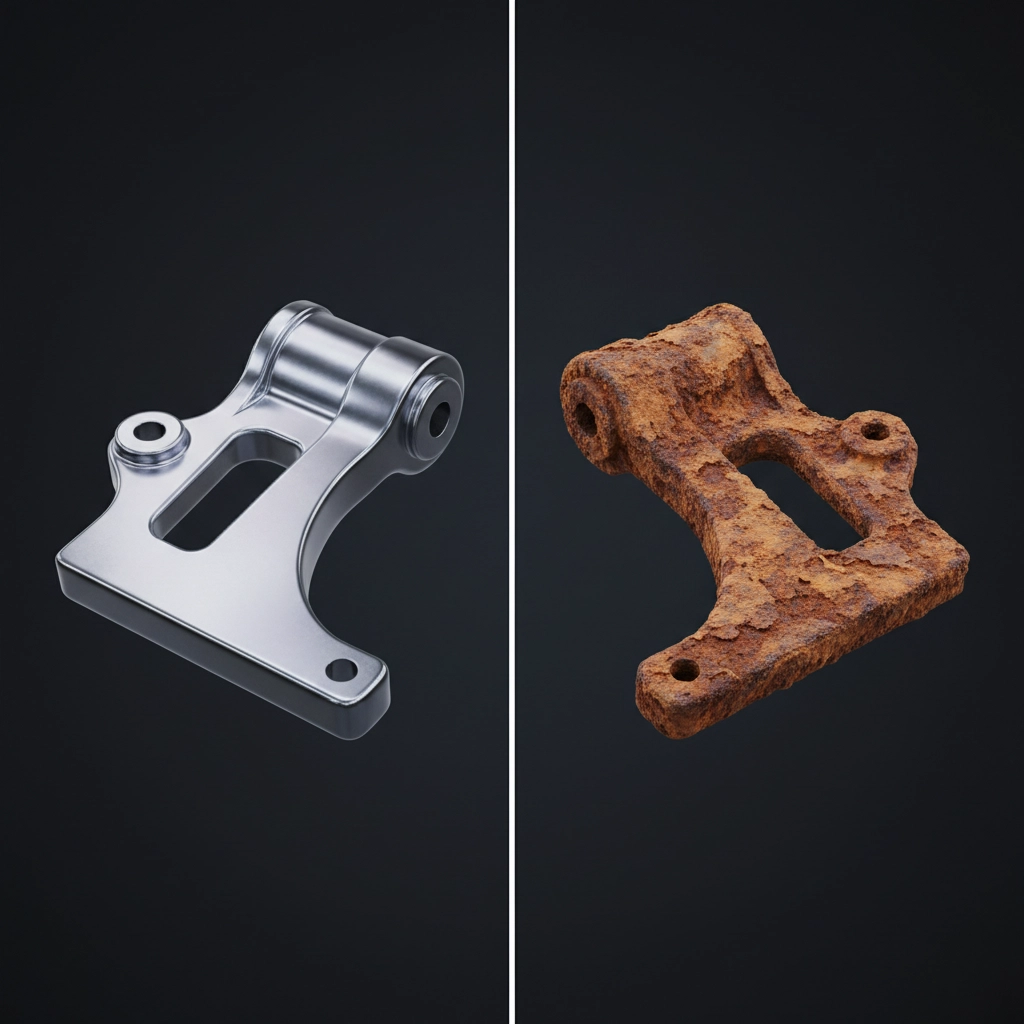
This seemingly innocent grit creates additional complications for vehicle protection:
Mechanical abrasion: Grit particles splash onto vehicles, creating microscopic scratches that expose bare metal
Enhanced adhesion: The gluing agents that make salt stick to roads also cause the corrosive mixture to adhere more effectively to vehicle surfaces
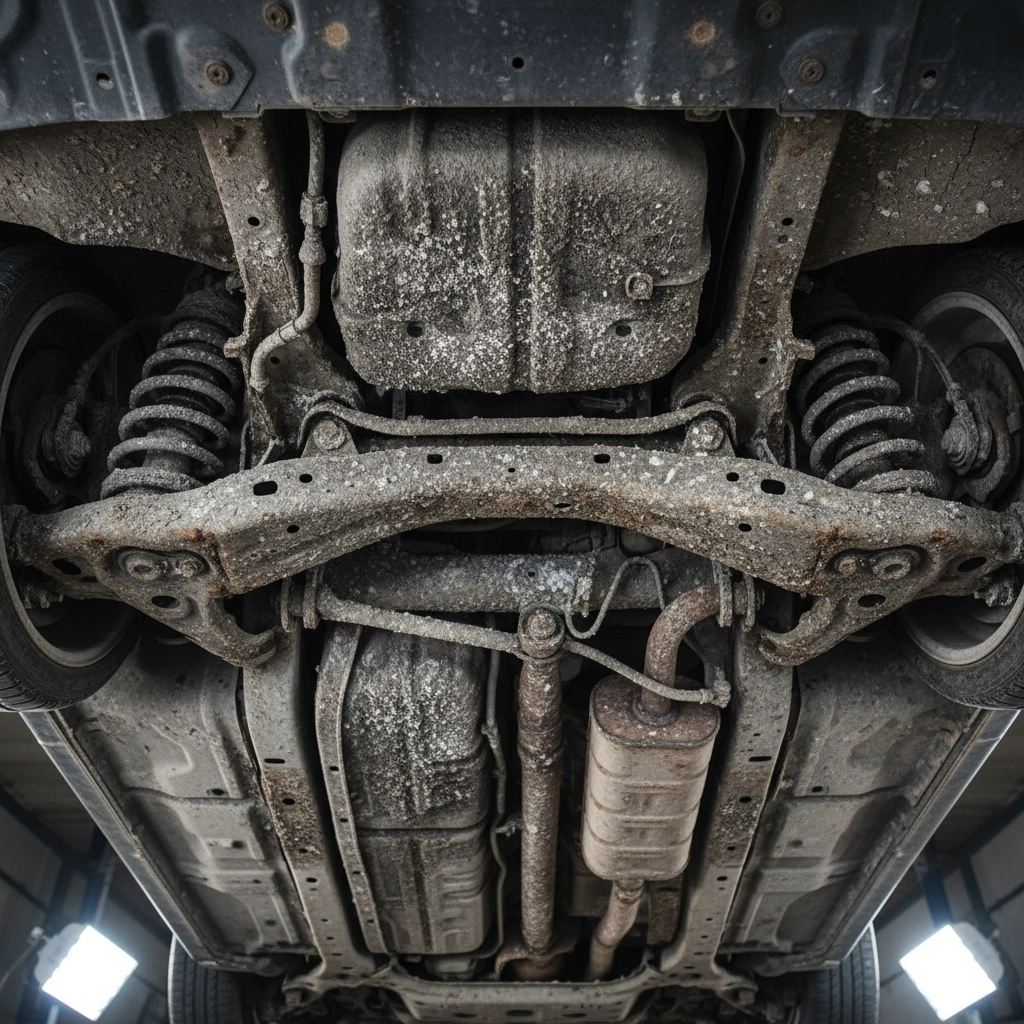
Accumulation zones: Insoluble grit particles accumulate in wheel arches, undercarriage crevices, and body panel joints where they trap moisture and salt
Rain and Thaw Cycles: The Delivery System
Rain and temperature fluctuations serve as the delivery mechanism that transforms roadside salt into a vehicle-wide corrosion problem. During rainfall or thawing periods, salt dissolves and runs beneath vehicles, infiltrating undercarriages and wheel arches where it remains trapped long after road surfaces dry.
The continuous cycling between wet and dry conditions, combined with temperature fluctuations, creates ideal conditions for accelerated rust development. Each wet-dry cycle concentrates the salt solution further, intensifying its corrosive properties.
Your Vehicle's Most Vulnerable Areas
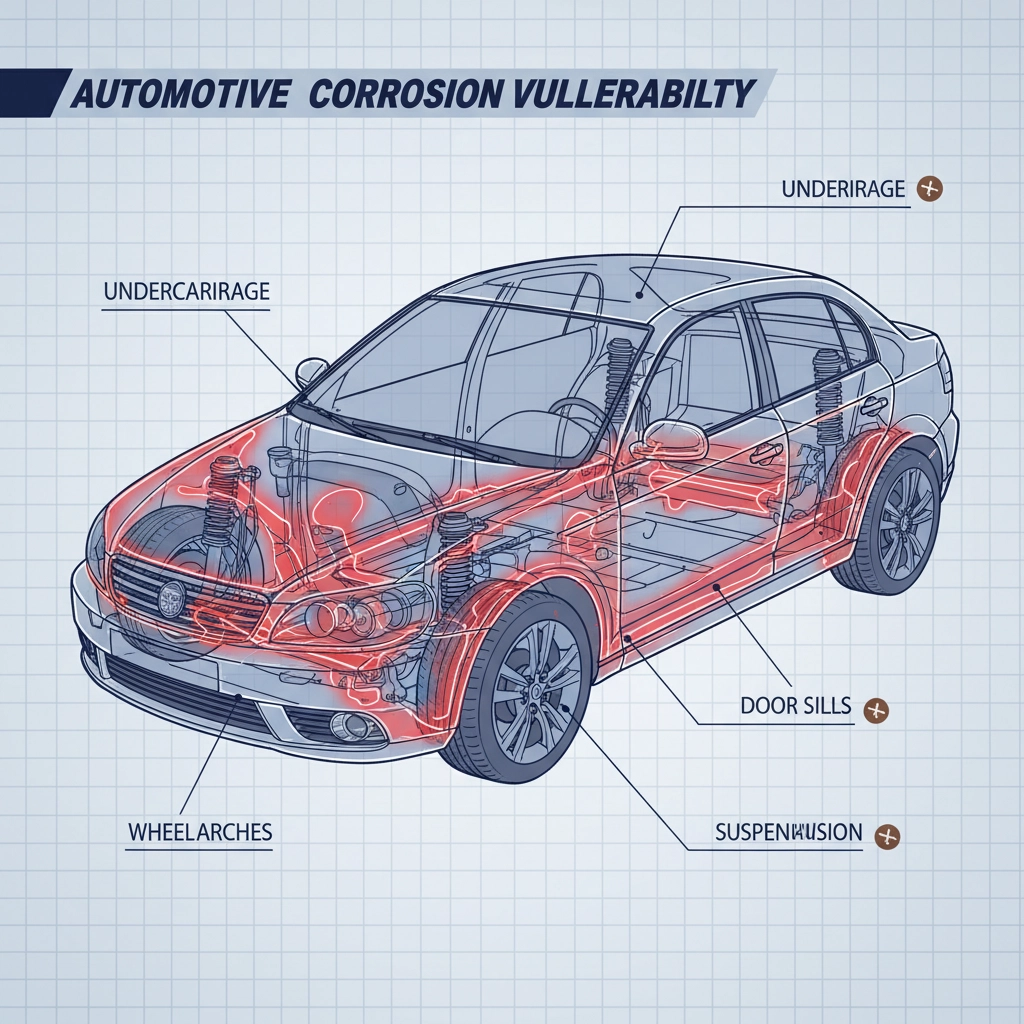
Professional rustproofing specialists focus on the components most susceptible to salt-induced corrosion - those areas that receive constant exposure to contaminated road spray:
Undercarriage Systems
The vehicle's underside bears the brunt of salt spray from road contact, making comprehensive undercarriage protection essential for long-term vehicle integrity.
Wheel Arches and Wells
These enclosed spaces trap salt-laden moisture for extended periods, creating persistent corrosive environments that continue attacking metal surfaces long after road exposure ends.
Suspension Components
Metal suspension parts corrode rapidly when exposed to concentrated salt solutions, potentially compromising vehicle safety and handling characteristics.
Body Panel Interfaces
Paint damage or manufacturing gaps allow salt to reach bare metal surfaces, where it begins the destructive oxidation process that creates visible rust damage.
Geographic Variations Across the UK
Salt damage severity varies significantly depending on your location within the UK. Urban areas around major cities experience particularly high seasonal salt accumulation, with corrosion potentially beginning during the first winter of exposure. Research indicates that salt contamination can travel up to 1.2 miles from busy treated roads, meaning even vehicles not directly using treated surfaces can suffer significant exposure.
Coastal regions face additional challenges, as maritime salt spray combines with road treatment chemicals to create particularly aggressive corrosive environments year-round.
The Long-Term Cost of UK Road Conditions
Without proper protection, salt-induced corrosion compromises structural vehicle integrity, leading to MOT failures and dramatic reductions in resale value. The UK's reliance on salt for winter safety creates fundamentally different corrosion challenges compared to countries with equivalent rainfall but no road salt programs - where vehicle corrosion rates remain dramatically lower.
This creates an ongoing cycle where vehicle owners face repeated repair costs, premature replacement needs, and declining asset values unless they invest in comprehensive rust prevention strategies.
Professional Protection: Your Defence Strategy
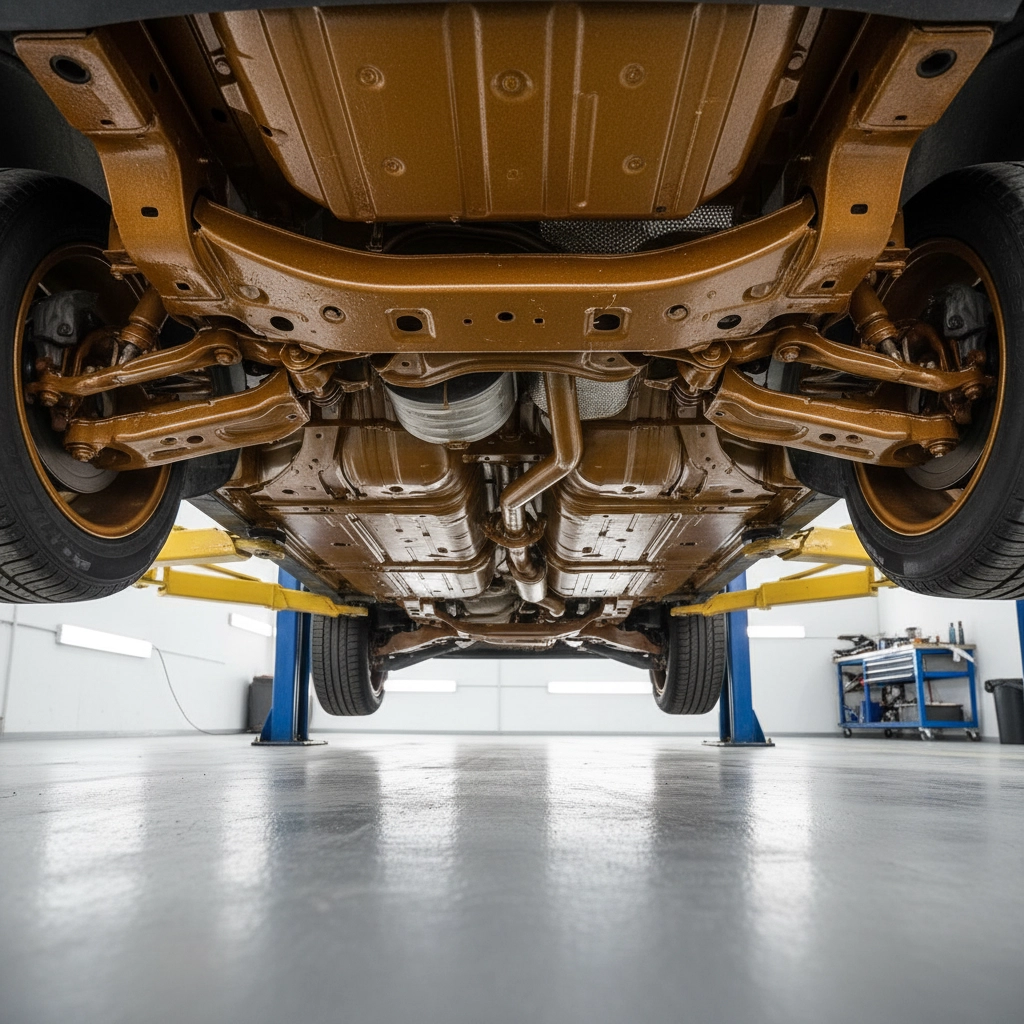
Understanding how UK roads attack your vehicle highlights why professional-grade rust prevention becomes essential rather than optional. Life Long Dinitrol® treatments create comprehensive barrier protection that neutralises the salt, grit, and moisture combination before it can begin the corrosion process.
Our meticulously applied cavity wax and undercarriage treatments reach the exact areas where salt accumulation causes the most damage. Through thorough undercarriage steam cleaning followed by precision application of premium-grade protective coatings, we create long-lasting defence against the UK's uniquely challenging road conditions.
Take Action Before Damage Begins
The chemical warfare happening beneath your vehicle every winter demands proactive protection. Waiting until rust appears means the damage has already begun - and prevention always costs less than repair.
Our comprehensive inspection process identifies vulnerable areas specific to your vehicle and driving conditions, whilst our photo documentation provides transparent evidence of current condition and treatment coverage.
Don't let another winter season damage your investment. Professional rustproofing creates the barrier protection your vehicle needs to withstand decades of UK road conditions whilst maintaining optimal resale value.
Protect your vehicle from UK road conditions with Life Long Dinitrol® treatment. Contact Rustec today for a comprehensive inspection and discover how professional-grade rust prevention safeguards your investment against salt, grit, and moisture damage.
Ready to defend your vehicle against UK road conditions? Visit our website or call to discuss comprehensive rust prevention tailored to your specific vehicle and driving requirements.
Comments