
Does cavity wax affect electrics or sensors?
If you're considering cavity wax treatment for your vehicle, one question likely sits at the forefront of your mind: will it damage the electrics or sensors? Modern vehicles are packed with sophisticated electronic systems, from ABS sensors and parking aids to complex wiring looms hidden within door panels, sills, and chassis rails. It's a valid concern, and one that deserves a thorough, expert answer.
The good news? No, cavity wax does not affect electrical systems or sensors. Premium cavity wax formulations are specifically designed to protect your vehicle's internal metal surfaces without interfering with any electrical or mechanical components. Let's explore why this is the case and what makes professional cavity wax application a safe, effective rust prevention solution.
What is cavity wax and why is it important?
Cavity wax is a specially formulated protective product designed to penetrate and coat the internal metal surfaces of your vehicle: areas you cannot see or easily access. These include:
Door panels and frames
Sills and rocker panels
Box sections within the chassis
Rear quarter panels
Boot and bonnet inner structures
A, B, and C pillars
These hidden cavities are particularly vulnerable to corrosion. Moisture, road salt, and debris find their way inside through drainage holes, seams, and micro-gaps in bodywork. Once trapped, this moisture creates the perfect environment for rust to form: often undetected until significant structural damage has occurred.
Cavity wax works by displacing moisture and creating a long-lasting protective barrier on these internal surfaces. Unlike traditional underseals, which coat external undersides, cavity wax reaches the places where rust often begins its destructive work.
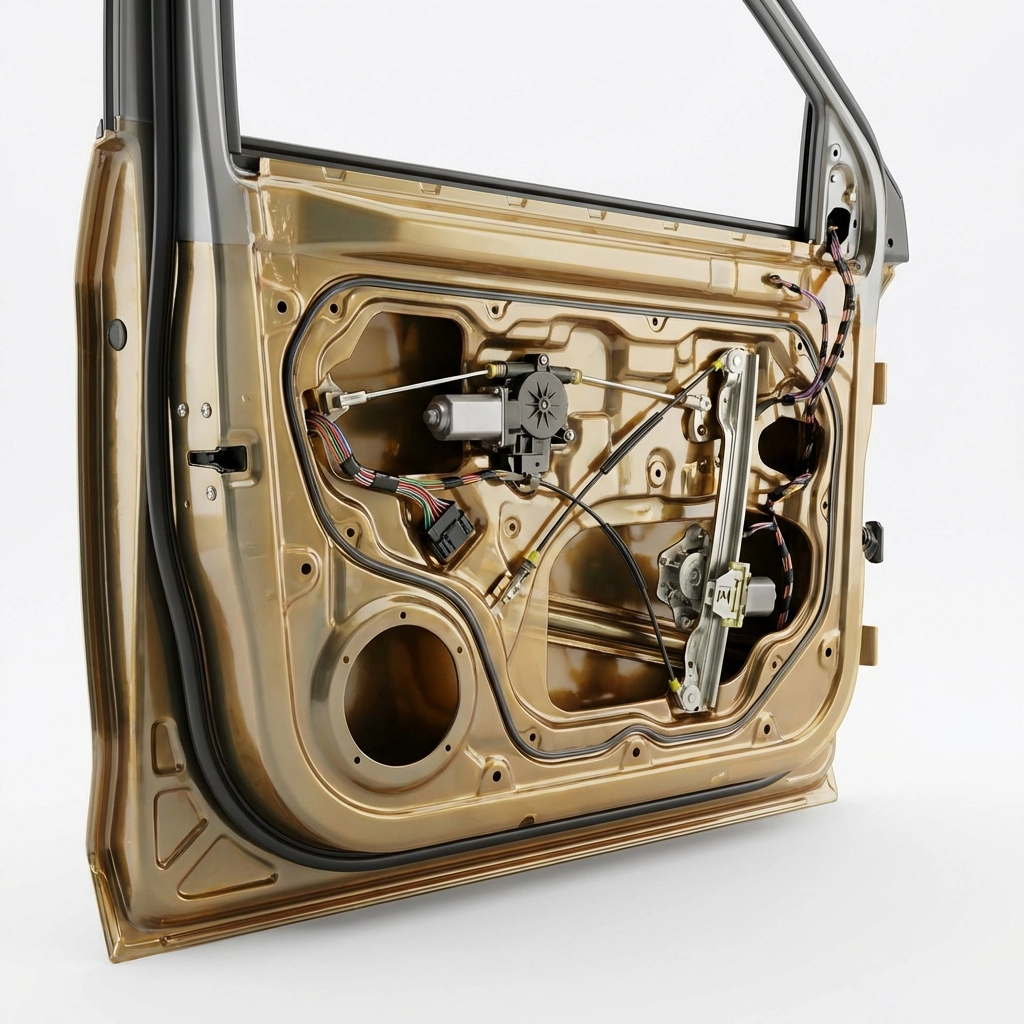
The short answer: cavity wax is safe for electrics and sensors
Let us be absolutely clear: quality cavity wax products are formulated specifically to avoid interfering with electrical components. This means there is no need to tape off electrical wires, connectors, or sensors when applying innerpanel cavity wax during a professional treatment.
This compatibility is not accidental. Leading cavity wax products: including those in the Dinitrol range used by professional rustproofing specialists: undergo rigorous testing to ensure they remain neutral to all vehicle systems. The chemical composition of premium cavity wax is designed to:
Not conduct electricity – preventing any risk of short circuits
Remain inert to plastic and rubber – protecting wire insulation and connector housings
Avoid residue build-up on sensor surfaces – ensuring continued accurate readings
Not interfere with mechanical operation – door locks, window regulators, and central locking systems continue to function normally
This careful formulation is what separates professional-grade cavity wax from inferior products. When you choose a specialist rustproofing provider, you benefit from products that have been designed with modern vehicle complexity in mind.
Why modern vehicles demand compatible rustproofing
Today's vehicles contain more electronic systems than ever before. From engine management and traction control to infotainment systems and driver assistance technologies, electrical components are distributed throughout every section of your car, van, or 4x4.
Consider the typical locations where wiring and sensors reside:
Vehicle Area | Common Electronics Present |
Door panels | Central locking motors, window motors, speaker wiring, puddle lights |
Sills | Wiring looms, side impact sensors |
Wheel arches | ABS sensors, parking sensors |
A/B/C pillars | Airbag sensors, seatbelt pre-tensioners |
Boot area | Rear lighting wiring, parking sensor modules |
A rustproofing product that damaged or interfered with these components would be entirely unsuitable for modern vehicles. This is precisely why reputable cavity wax manufacturers invest heavily in developing formulations that offer comprehensive corrosion protection without compromising vehicle electronics.
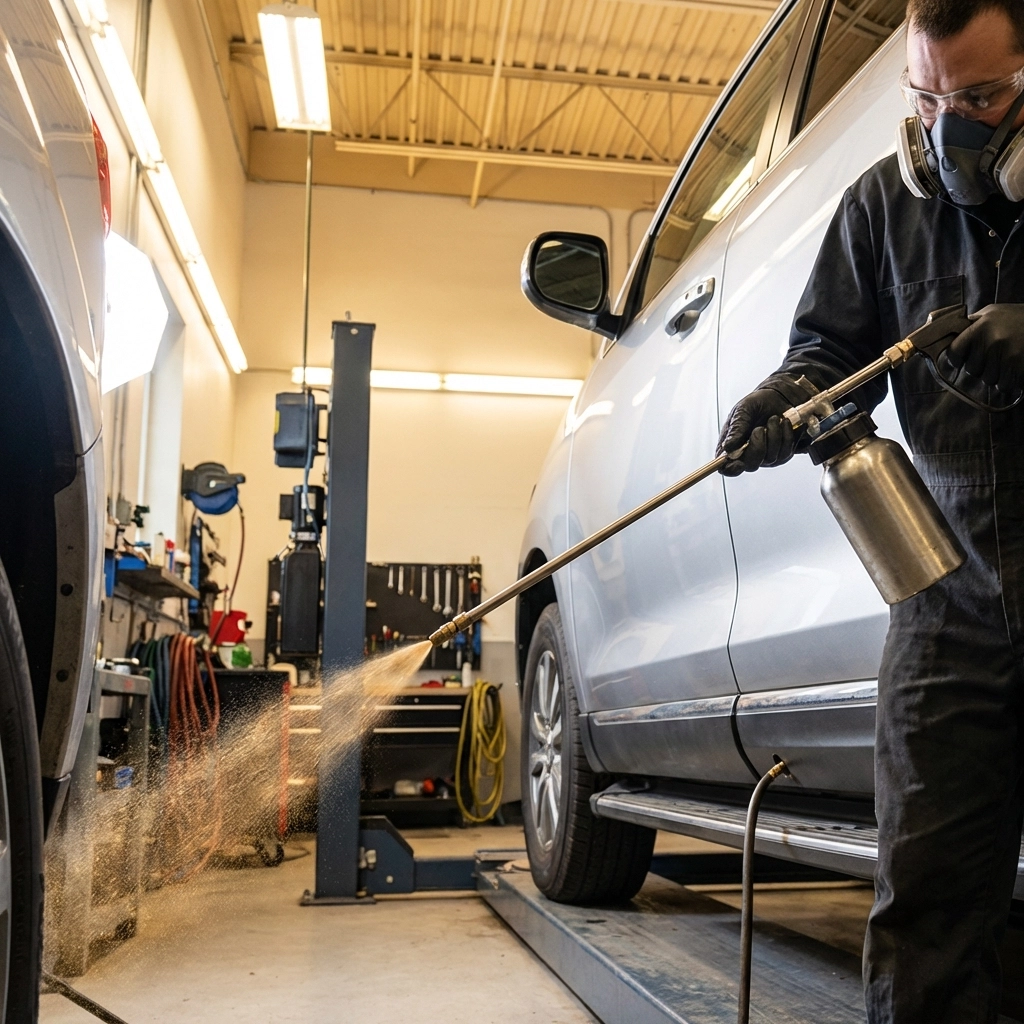
How professionals ensure safe cavity wax application
While cavity wax itself is safe for electrical systems, the quality of application matters enormously. A professional rustproofing treatment follows a meticulous process to ensure every cavity receives thorough protection without any risk to vehicle systems.
Step 1: Comprehensive vehicle inspection
Before any treatment begins, a thorough inspection identifies all cavity access points and assesses the current condition of internal surfaces. This inspection also notes the location of key electrical components within treatment areas.
Step 2: Preparation and cleaning
Internal cavities may harbour dirt, debris, or existing moisture. Professional preparation ensures these contaminants are addressed before cavity wax is applied, maximising adhesion and protection.
Step 3: Precision application
Using specialist spray equipment and injection lances, cavity wax is applied through existing drainage holes, grommets, and access points. The product is designed to spread and creep along internal surfaces, reaching every corner of the cavity.
Professional technicians understand the internal architecture of different vehicle makes and models. This expertise ensures complete coverage whilst respecting the location of electrical systems: though, as we've established, the product itself poses no risk to these components.
Step 4: Documentation and guarantee
A professional treatment includes full documentation of work completed, often with photographic evidence. This transparency, combined with a robust guarantee, provides complete peace of mind.
Addressing common concerns about cavity wax and electrics
Despite the safety of quality cavity wax products, vehicle owners sometimes express specific concerns. Let's address the most common questions:
"Will cavity wax cause sensor malfunctions?"
No. Premium cavity wax does not leave conductive residues or coatings that could interfere with sensor operation. Sensors within treated cavities: such as door ajar switches or interior lighting triggers: continue to function normally.
"Could cavity wax cause electrical shorts?"
Quality cavity wax is non-conductive. It cannot create electrical pathways between wires or terminals. This is a fundamental requirement of any product designed for use in automotive cavities where wiring is present.
"Will the wax damage wire insulation over time?"
Professional-grade cavity wax is chemically inert to plastics and rubbers, including the materials used in wire insulation. Unlike some petroleum-based products, quality cavity wax does not degrade or soften these materials.
"What about heated seats or electric window mechanisms?"
Cavity wax is compatible with all mechanical and electrical systems found within door panels and seat structures. Motors, regulators, and heating elements are unaffected by proper cavity wax application.
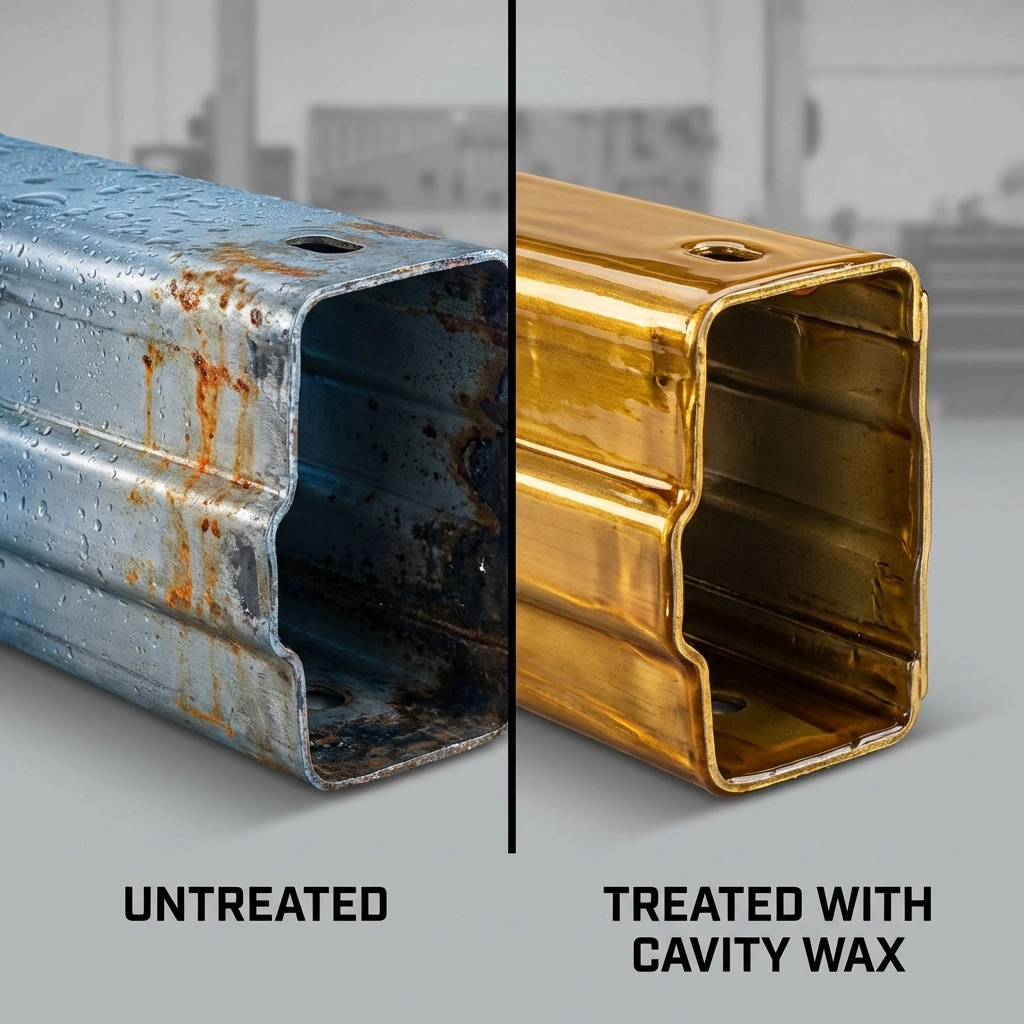
The benefits of cavity wax protection
Understanding that cavity wax is safe for your vehicle's electronics allows you to appreciate the significant benefits this treatment provides:
Long-lasting protection – Quality cavity wax creates a durable barrier that protects internal surfaces for years, not months.
Reaches hidden areas – Unlike external treatments alone, cavity wax protects the areas where rust most commonly begins its destructive work.
Preserves structural integrity – Sills, chassis rails, and structural members remain strong and corrosion-free.
Maintains vehicle value – A rust-free vehicle commands significantly higher resale values.
Peace of mind – Knowing that every cavity is protected allows you to enjoy your vehicle without worrying about hidden corrosion.
Choosing a professional rustproofing provider
When selecting a rustproofing specialist, ensure they use premium, vehicle-safe products from established manufacturers. Ask about:
The specific products used and their compatibility with modern vehicles
The application process and access to cavities
Warranty or guarantee terms
Photo documentation of completed work
Experience with your specific vehicle type
A reputable provider will be happy to answer these questions and demonstrate their expertise. They understand that your vehicle represents a significant investment and that protecting it requires both quality products and skilled application.
Your vehicle deserves comprehensive protection
Cavity wax treatment represents one of the most effective ways to protect your vehicle from the insidious threat of internal corrosion. The fact that modern formulations are entirely safe for electrical systems and sensors removes any barrier to this valuable protection.
Whether you drive a daily commuter, a cherished classic, a working van, or a capable 4x4, cavity wax treatment ensures that hidden cavities receive the same level of protection as visible underbody surfaces. Combined with professional underbody treatment, this comprehensive approach keeps your vehicle rust-free throughout its life.
If you're ready to protect your vehicle with professional cavity wax treatment, or if you have further questions about the process, don't hesitate to get in touch. Our team is here to provide expert advice and deliver the highest-quality rustproofing service available.
Protect your investment. Preserve your vehicle. Enjoy complete peace of mind.
Explore our rustproofing services or find your nearest location to book your comprehensive treatment today.
Comments